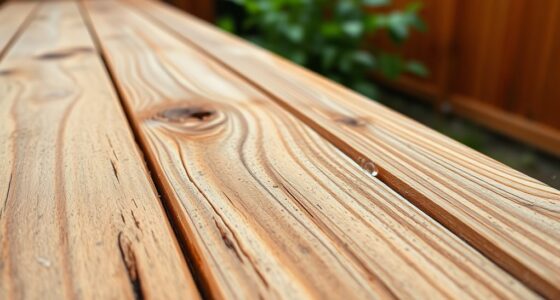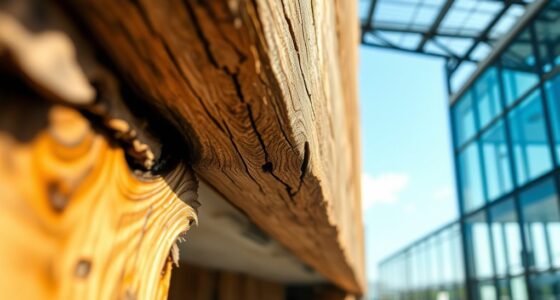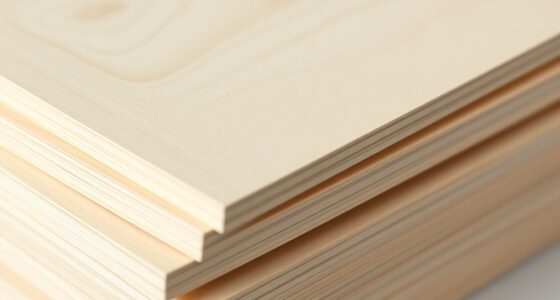
When working with walnut, focus on its stunning grain patterns, which range from straight to swirling designs, adding character to your project. Pay attention to how the grain affects movement and finished appearance, and select finishes like oils or varnishes that highlight its natural beauty. Proper sanding and grain recognition ensure a smooth, professional result. By understanding these elements, you can enhance walnut’s rich features—keep exploring to master its full potential.

Get tools and workshop supplies delivered free — and shop member deals
- Fast, free delivery on millions of items
- Access to Prime Big Deal Days deals on October 6–7
- Prime Video, Amazon Music and more included
Key Takeaways
- Recognize walnut’s diverse grain patterns to enhance aesthetic appeal and select appropriate finishing techniques.
- Understand how grain direction and movement influence the application and appearance of stains and finishes.
- Use proper sanding from coarse to fine grit to prepare walnut surfaces for smooth, durable finishes.
- Choose finishes like oils for highlighting grain details or polyurethanes for durability based on project needs.
- Consider aging and exposure effects to deepen walnut’s color and enhance its natural grain beauty over time.

Have you ever wondered why walnut is a favorite among woodworkers? The answer lies in its stunning grain patterns and the way it responds to finishing techniques. Walnut’s rich, deep hues and intricate grain designs make it a versatile choice for furniture, cabinetry, and fine woodwork. When you work with walnut, you’ll notice that its grain patterns can vary markedly—from straight lines to swirling, dramatic figures that add character to any project. This variation allows you to create pieces that are truly unique, showcasing nature’s artistry. As you handle the wood, you’ll see that the grain can sometimes be tight and smooth, while at other times, it exhibits a more open, textured appearance. This diversity in grain patterns gives you plenty of creative freedom—whether you prefer a sleek, modern look or a more rustic, natural feel. Understanding how grain patterns influence the finish can help you select the appropriate technique to enhance walnut’s natural beauty.
Finishing techniques play an essential role in highlighting walnut’s natural beauty. Because walnut tends to darken and deepen with age and exposure to light, choosing the right finish is critical to achieving the desired look. Many woodworkers favor oil-based finishes or hand-rubbed oils to enhance the richness of the wood’s color and emphasize the grain. These finishes penetrate deeply, bringing out the intricate details of the grain patterns without creating a glossy surface that might mask its natural beauty. Alternatively, you can use polyurethane or lacquer for a more durable, glossy finish if your project will see a lot of wear. Proper sanding is fundamental before applying any finish—starting with a coarser grit and gradually moving to finer grits ensures a smooth surface that allows the finish to bond well and enhances the grain’s visual appeal.
When working with walnut, understanding how different finishing techniques interact with the wood’s properties can make all the difference. For example, staining walnut can sometimes produce unpredictable results due to its dark color and dense grain structure. Testing your chosen finish on a scrap piece beforehand allows you to see how the grain will respond. You might also consider using a filler or grain-enhancing medium to accentuate the patterns further, especially if you want to make the grain pop. No matter what look you’re after, applying multiple coats of finish with light sanding in between will give you a professional, refined result. In the end, it’s your careful attention to grain patterns and finishing techniques that will elevate your walnut projects from ordinary to extraordinary.
As an affiliate, we earn on qualifying purchases.
Frequently Asked Questions
How Does Walnut React to Moisture Changes Over Time?
Walnut reacts to moisture changes over time by experiencing moisture-induced warping, which can cause the wood to twist or bow if not properly stabilized. You might also notice time-related cracking as the wood expands and contracts with fluctuating humidity levels. To minimize these issues, keep walnut in a stable environment, control humidity, and guarantee proper sealing. This way, you help preserve its beauty and structural integrity over time.
What Are the Best Tools for Cutting Walnut Smoothly?
To cut walnut smoothly, you should use sharp tools like a fine-tooth saw or a high-quality router bit. Pay attention to the grain pattern, and follow the natural lines with proper cutting techniques to avoid tear-out. Clamping the wood securely and making steady, controlled cuts also help produce clean edges. Using blades designed for hardwoods will give you the best results, ensuring a smooth finish every time.
Can Walnut Be Used Outdoors Without Special Finishes?
Walnut can be used outdoors, but it needs proper finishing techniques to guarantee outdoor durability. Without these finishes, it’s vulnerable to moisture, UV rays, and temperature changes, which can cause cracking or fading. To protect your walnut project, apply a weather-resistant sealant or exterior-grade finish. Regular maintenance is also essential to keep it looking good and to prolong its lifespan outdoors.
How Does Walnut Compare to Other Hardwoods in Durability?
While walnut’s charm is undeniable, it’s not the top contender in durability compared to other hardwoods. In a hardwood comparison, factors like hardness, resistance to wear, and moisture tolerance matter. Walnut tends to be softer and more prone to dents, making it less ideal for high-traffic or outdoor use without proper finishes. If durability is your priority, consider harder options like oak or maple for long-lasting performance.
Are There Eco-Friendly Options for Sourcing Walnut Wood?
Yes, you can find eco-friendly walnut options through sustainable harvesting and eco-conscious sourcing practices. Look for suppliers certified by organizations like FSC or PEFC, which guarantee responsible forestry management. These sources prioritize replanting and minimal environmental impact, giving you beautiful walnut wood while supporting conservation efforts. By choosing sustainably harvested walnut, you help protect forests and promote environmentally responsible woodworking, making your projects both stunning and eco-friendly.
Conclusion
Think of working with walnut like tending a wise old tree—you’ll nurture its grain, follow its natural flow, and choose finishes that honor its character. When you respect its movement and embrace its unique beauty, your craftsmanship becomes a story told through each piece. Just like a tree’s roots run deep, your skills will grow stronger with patience. In the end, you’ll create timeless furniture that stands tall, rooted in nature’s elegance and your skill.
Fall Picks
fall essentials
As an affiliate, we earn on qualifying purchases.