
When considering hardness, focus on what it measures—resistance to scratching and wear—without letting it dominate your decision. Remember, higher hardness isn’t always better; it can mean brittleness or cracking risks. Use hardness tests like Rockwell or Vickers to get reliable data, but also consider other properties like toughness or corrosion resistance. If you keep these points in mind, you’ll make smarter choices—and there’s more to discover that can help you balance all these factors effectively.

Get business pricing on tools and workshop supplies
- Business-only prices and quantity discounts
- Tax-exempt purchasing
- Multiple users, one account, clear invoices
Key Takeaways
- Focus on the specific hardness requirements relevant to the application rather than comparing all material properties.
- Use standardized hardness tests (e.g., Rockwell, Brinell) for consistent, comparable data.
- Remember that higher hardness may increase brittleness; balance it with toughness and ductility.
- Consider hardness as just one factor in overall performance, not the sole criterion.
- Prioritize material properties that directly impact durability and performance for your use case.
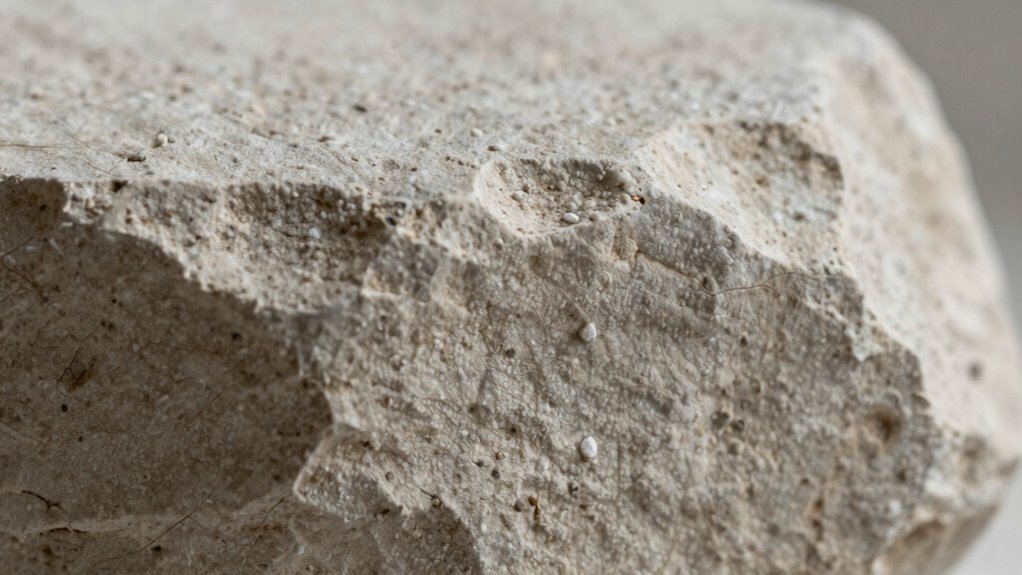
Hardness might seem like a straightforward concept, but understanding its nuances can change how you approach problems in materials science, engineering, and even everyday decisions. When you think about hardness, it’s tempting to see it as simply a measure of how resistant a material is to scratching or denting. However, to make smarter choices—whether selecting materials for a project or troubleshooting issues—you need to grasp what hardness truly indicates. It’s closely linked to material durability, which determines how long a material will last under specific conditions. The higher the hardness, generally, the more resistant the material is to wear and deformation, but this doesn’t always equate to better overall performance. Sometimes, a material with a high hardness might be brittle and prone to cracking, so understanding the balance is key.
Hardness indicates resistance to scratching and denting but doesn’t always mean better overall durability or performance.
To avoid overcomplicating your decision-making, it helps to familiarize yourself with common testing methods used to measure hardness. These tests—like the Brinell, Rockwell, and Vickers—each have specific applications and give you quantifiable data to compare materials. For example, the Rockwell test is quick and suited for industrial settings, providing a straightforward hardness number. The Vickers test, on the other hand, is more precise and useful for thin materials or coatings. Recognizing which testing method aligns with your needs simplifies the process, so you’re not overwhelmed by technical details. Instead, you get a clear, usable metric that guides your choices. Additionally, understanding test standardization helps ensure consistent and reliable measurements across different evaluations. Being aware of measurement accuracy also helps you interpret the data correctly and avoid misjudging a material’s suitability. Knowing about testing procedures can further help you select the most appropriate method for your specific application.
It’s also important to remember that hardness isn’t the only factor to consider. Material durability encompasses other properties like toughness, ductility, and corrosion resistance. Hardness can be a good indicator of wear resistance, but it doesn’t tell the whole story about how a material will perform over time or under specific stresses. When you’re selecting materials, think of hardness as one piece of a larger puzzle. You don’t want to choose a material based solely on its hardness value, especially if other properties better suit your application’s environment or performance requirements. Material testing methods provide critical insights to help balance these properties effectively.
In the end, understanding hardness involves knowing what it measures, how it’s tested, and how it fits into the bigger picture of material performance. By focusing on these aspects, you avoid getting bogged down by unnecessary complexity. Instead, you’ll make smarter, more informed decisions that balance material properties with your project’s needs, all while keeping things straightforward and practical.
As an affiliate, we earn on qualifying purchases.
Frequently Asked Questions
How Does Hardness Affect the Overall Performance of a Species?
Hardness directly impacts a species’ performance by influencing its ability to withstand environmental stresses. When a species has genetic adaptation to higher hardness, it becomes more resilient, offering better environmental resilience. This means it can survive and thrive even in tough conditions. You should consider hardness because it affects durability and adaptability, ultimately determining how well a species can perform over time, especially in challenging environments.
Are There Specific Environments Where Hardness Is More Critical?
Imagine a sponge in a raging storm—hardness becomes your shield against environmental chaos. In harsh environments, like rocky shores or arid deserts, hardness is vital for environmental resilience. It helps species withstand extreme conditions and maintain habitat specificity. You must prioritize hardness when choosing species for such settings, ensuring they endure the toughest challenges nature throws their way, much like a sponge surviving a tempest.
Can Hardness Be Adjusted or Modified for a Species?
Yes, hardness can be adjusted or modified for a species by managing water chemistry, especially through water treatments like adding minerals or using reverse osmosis. You need to take into account species adaptability, as not all species tolerate changes well. Regular testing and gradual adjustments help guarantee the water remains suitable for your chosen species, preventing stress or health issues caused by sudden shifts in water hardness.
How Does Hardness Relate to Other Key Species Traits?
Hardness influences other key traits, affecting your species’ adaptability concerns and evolutionary trade-offs. When a species develops harder tissues, it often gains durability but may lose flexibility or growth rate, impacting its ability to adapt to changing environments. You should consider these interlinked traits, as increasing hardness could compromise other survival features. Balancing this trait involves understanding how hardness interacts with your species’ overall evolutionary strategy.
What Are Common Misconceptions About Hardness in Species Selection?
Think of hardness as a myth like the mythical Hydra—many believe it guarantees durability, but that’s a misconception. Misconceptions about hardness often suggest it’s the sole factor for durability, yet it’s just one piece of the puzzle. Hardness and durability don’t always align; softer species can sometimes withstand more wear. Don’t overlook other traits like flexibility or resistance, which also play essential roles in species selection for long-term resilience.
Conclusion
Think of hardness as a dance partner—steady, reliable, never stepping on your toes. Don’t let the complexity of choices trip you up; instead, focus on what feels right for your rhythm. Like tuning an instrument, find the balance that resonates with your needs. When you simplify your approach, you’ll glide smoothly through decisions, turning what once seemed like a tangled web into a clear, harmonious melody. Trust your instincts and dance confidently forward.
Halloween Picks
halloween
As an affiliate, we earn on qualifying purchases.