To keep your wood kitchenware in top shape, wash it thoroughly after each use, then dry completely with a clean towel to prevent moisture buildup. Regularly apply a thin layer of food-safe oil like mineral oil or beeswax to create a protective barrier and extend its lifespan. Store in a dry, well-ventilated area, keeping items upright and away from moisture and direct sunlight. Following these simple steps helps maintain your woodware’s beauty and durability—discover more tips to prolong their life.
Key Takeaways
- Wash wood kitchenware thoroughly after each use and dry completely to prevent moisture buildup.
- Apply a thin, even layer of food-safe oil regularly to protect against water and stains.
- Store in a dry, well-ventilated area, standing upright to ensure proper airflow and prevent mold.
- Avoid leaving wood wet or exposed to high humidity environments like near sinks or stoves.
- Maintain the natural beauty and durability by consistent cleaning, drying, and seasoning routines.

Taking care of your wood kitchenware daily is essential to keep it looking beautiful and functioning well. Regular maintenance not only prolongs its lifespan but also ensures it remains safe and enjoyable to use. One of the most effective ways to maintain your wooden utensils and boards is by applying proper seasoning techniques. Seasoning involves regularly oiling your wood items with food-safe oils, like mineral oil or beeswax, to create a protective barrier against moisture and prevent cracking or warping. Each day, after washing your wood kitchenware, take a moment to dry it thoroughly with a clean towel. Once it’s dry, apply a thin layer of oil using a soft cloth or paper towel, ensuring even coverage over all surfaces. This simple step helps maintain the wood’s natural moisture balance and keeps it looking vibrant. Remember, seasoning isn’t a one-time task; it’s an ongoing process that strengthens the wood’s resistance to water and food stains, making your kitchenware more durable over time. Proper maintenance practices can extend the life of your wood kitchenware significantly. In addition to seasoning, proper storage tips make a significant difference in preserving your wood kitchenware. Always store your utensils and cutting boards in a dry, well-ventilated area, ideally standing upright to promote airflow and prevent moisture buildup. Avoid stacking heavy objects on top of your wooden items, as this can cause unnecessary pressure and lead to cracks or warping. If you have a dedicated drawer or a utensil holder, ensure it’s clean and free from excess moisture, which can encourage mold growth. When storing large boards or utensils, keep them in a spot where they won’t be exposed to direct sunlight, as prolonged exposure can cause fading or drying out. Also, avoid storing your wood kitchenware in humid environments, such as near the sink or stove, because constant moisture can damage the wood over time. By combining good storage practices with regular seasoning techniques, you’re creating a beneficial environment for your wooden kitchenware to thrive. This approach not only preserves its natural beauty but also ensures it remains hygienic and safe for food preparation.

Thirteen Chefs Mineral Oil – 8 oz Food Grade Conditioner for Wood Cutting Board, Countertop & Butcher Block, Lubricant for Knife or Meat Grinder – Safe USP Finish on Marble, Soapstone
FOOD GRADE – This butcher block conditioner is lab tested to ensure that it meets food safety standards,…
As an affiliate, we earn on qualifying purchases.
As an affiliate, we earn on qualifying purchases.
Frequently Asked Questions
Can I Use Dish Soap on My Wooden Kitchenware Daily?
Yes, you can use dish soap on your wooden kitchenware daily, but make certain it’s mild and safe for wooden utensil cleaning. Use a small amount and rinse thoroughly to prevent soap residue buildup. Avoid harsh or antibacterial soaps that can damage the wood over time. Proper dish soap safety helps maintain your wooden utensils’ longevity and hygiene, keeping them clean without compromising their quality.
How Often Should I Oil My Wooden Utensils?
You should oil your wooden utensils every 2-4 weeks, depending on use. Regular oiling helps maintain their seasoning techniques and keeps the wood from cracking. After cleaning, make sure to dry them thoroughly before applying a food-safe oil like mineral oil or beeswax. Store them in a dry, well-ventilated place, avoiding prolonged exposure to moisture. Proper maintenance guarantees your utensils stay durable and beautiful over time.
Is It Safe to Soak Wood in Water Overnight?
Soaking wood in water overnight is a big no-no—it’s like inviting disaster! It can severely damage your wooden utensils, compromising their durability and appearance. For proper wood preservation, you should avoid excessive moisture exposure and focus on moisture control. Instead, clean with a damp cloth and dry thoroughly. This way, your wooden kitchenware stays in top shape, resisting cracks and warping over time.
What Are Signs of Mold or Bacteria Growth?
You’ll notice mold identification by fuzzy, discolored patches, often green, black, or white, on your wood kitchenware. Bacteria symptoms include a foul smell or slimy texture. If you see any mold or detect an unpleasant odor, it’s best to clean the item thoroughly with hot, soapy water and consider sanitizing with vinegar or alcohol. Regular inspection helps prevent bacteria buildup and keeps your woodware safe to use.
Can I Put Wooden Utensils in the Dishwasher?
You shouldn’t put wooden utensils in the dishwasher because of dishwasher risks that can damage their durability. The high heat and harsh detergents can cause wood to crack, warp, or split over time. Handwashing is best to preserve their quality and longevity. Use warm water and mild soap, then dry thoroughly. This simple routine keeps your wooden utensils in great shape and avoids unnecessary wear and tear.
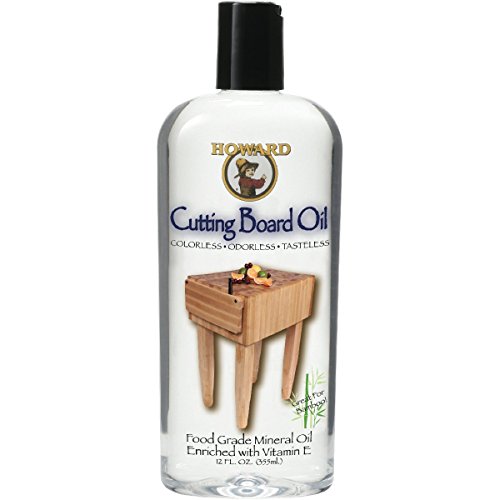
Howard Products Food Grade Mineral Oil for Wood Cutting Board – 12 oz, Pack of 1
Cutting Board Oil is a deep penetrating 100% Pure USP Food Grade Mineral Oil that is tasteless, odorless,…
As an affiliate, we earn on qualifying purchases.
As an affiliate, we earn on qualifying purchases.
Conclusion
Just like a trusted friend, your wood kitchenware needs daily care to stay vibrant and durable. By following simple routines, you protect it from wear and tear, ensuring it serves you well for years to come. Remember, even Robin Hood knew the value of keeping his gear in top shape—your wooden tools deserve that same attention. With consistent care, your kitchenware will continue to be a timeless asset, ready for every culinary adventure.

DEBETOOL Cutting Board Oil Wax Applicator and Scrub Brush Set- Natural Bamboo with Sisal Fiber and Sponge for Food Grade Mineral Oil Board,Wooden Worktops,Utensil Care
⬤COMPLETE CARE KIT: Tired of dull cutting boards? Our scrub brush and oil applicator set is perfect for…
As an affiliate, we earn on qualifying purchases.
As an affiliate, we earn on qualifying purchases.

SAMEBUTECO Bamboo Wooden Dish Racks Plate Stand Holder Vertical Drainer Kitchen Cabinet Organizer for Dish, Pots, Lids, Bowls, Cups, and Cutting Boards and Books(2 Packs)
Efficient Storage Solution: Our bamboo plate rack dish stand holder,available in a convenient set of 2 packs, Weight…
As an affiliate, we earn on qualifying purchases.
As an affiliate, we earn on qualifying purchases.