To protect your wood from pets and kids, choose pet-safe, low-VOC finishes that create a strong, scratch-resistant barrier. Combine this with childproof furniture features like rounded edges, corner guards, and anti-tip straps for added safety. Regular maintenance using gentle cleaning products helps preserve the finish and safeguard your furniture. Implementing these tips ensures a durable, safe, and attractive home. Keep exploring to discover more ways to create a pet- and kid-friendly living space.
Key Takeaways
- Apply pet safe, non-toxic finishes to create a protective, stain-resistant barrier on wood surfaces.
- Use childproof furniture with rounded edges, safety features, and sturdy construction to prevent injuries and damage.
- Regularly maintain and reapply protective finishes to ensure durability and resistance against scratches and spills.
- Add protective accessories like corner guards, slipcovers, and anti-tip straps to enhance safety and reduce damage risks.
- Choose finishes labeled as non-toxic, water-based, or low-VOC during renovations for a safer, long-lasting wood environment.

Wood surfaces add warmth and charm to your home, but they often face daily challenges from energetic pets and curious kids. You want your furniture and floors to look beautiful and last long, but accidents happen. That’s where pet safe finishes come into play. These specially formulated finishes create a protective layer on your wood, making it more resistant to scratches, spills, and stains without exposing your loved ones to harmful chemicals. Choosing a pet safe finish means you can enjoy your home without constantly worrying about your furry friends or little ones coming into contact with toxic substances. It’s a smart choice for families wanting durability and safety combined.
When it comes to childproof furniture, the goal is to create a safe environment that minimizes risks. Childproof furniture is designed with rounded edges, non-toxic finishes, and sturdy construction to prevent injuries and withstand rough handling. You might consider furniture with built-in safety features or adding corner protectors and anti-tip straps for extra security. Applying childproof finishes on your wood furniture ensures that if your kids decide to chew or scratch, they won’t be exposed to harmful chemicals. These finishes also help protect the wood from the wear and tear caused by kids’ activities, spills, and accidental bumps, extending the life of your furniture.
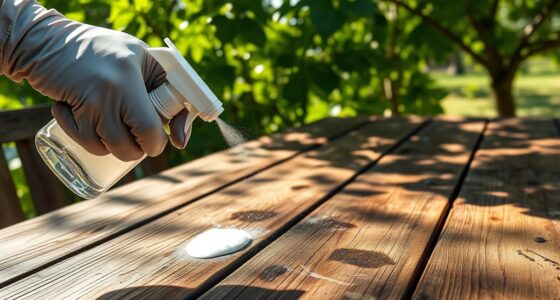
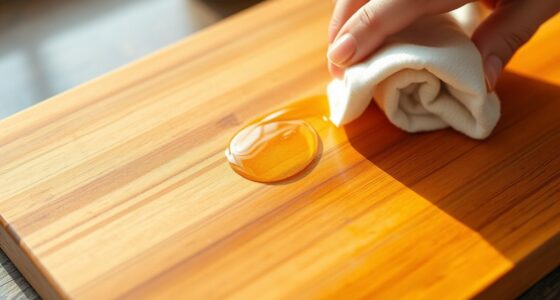
To really protect your wood surfaces, start by selecting the right pet safe finishes during your renovation or furniture update. Look for products labeled as non-toxic, water-based, or low-VOC, as these are safer for both pets and children. Applying these finishes correctly is vital—make sure to follow the manufacturer’s instructions for proper curing time and application techniques. A well-applied finish not only enhances the look of your wood but also provides a durable barrier against scratches and stains. Regular maintenance, such as cleaning with gentle, non-abrasive products, will help preserve the integrity of the finish over time.
For your furniture, consider investing in childproof designs or adding protective accessories like corner guards and slipcovers. These small adjustments can make a significant difference in preventing accidents. Combining childproof furniture with pet safe finishes creates a harmonious home where your family and pets can coexist comfortably. Protecting wood from scratches, spills, and dents doesn’t have to be complicated—choosing the right finishes and safety features keeps your wood surfaces looking beautiful and safe for everyone.

32oz Garden Box Sealer – Covers 37.5 to 187.5 sq ft., Ideal Garden Bed Sealer – Wood Waterproofing, Food Safe Sealant – Wood Sealant that Protects Against Sun, Water & Weather Damages
- Garden Safe & Non-Toxic: Food safe, plant-based wood sealer
- Effective Outdoor Protection: Resists sun, water, and weather damage
- Enhances Wood Appearance: Maintains and boosts natural wood beauty
As an affiliate, we earn on qualifying purchases.
As an affiliate, we earn on qualifying purchases.
Frequently Asked Questions
Are There Non-Toxic Sealants Safe for Children and Pets?
Yes, there are non-toxic finishes and child-safe sealants available that are safe for children and pets. You should look for products labeled as non-toxic finishes or child-safe sealants, as these are formulated without harmful chemicals. Always read the labels and choose options approved by safety organizations. Applying these sealants creates a protective barrier, ensuring your wood is safe while keeping your kids and pets healthy.
How Often Should I Reapply Protective Coatings on Wood Surfaces?
You should reapply protective coatings on wood surfaces every 1 to 3 years, depending on your maintenance schedule and the coating’s durability. Regular inspections help you spot signs of wear, like chipping or fading. If you notice these, it’s time for a fresh coat. Proper maintenance guarantees your wood stays protected from damage, keeping it looking great and lasting longer. Always follow the manufacturer’s recommendations for best results.
Can Certain Pet Breeds Cause More Damage to Wood Furniture?
Yes, some pet breeds, like energetic Labrador Retrievers or curious cats, can cause more damage to wood furniture. Their behavior—chewing, scratching, jumping—turns your elegant piece into a chew toy or scratching post. Damage prevention strategies include using protective pads, training, and providing appropriate toys. So, if you have a mischievous breed, brace yourself—your furniture’s future might depend on your ability to outsmart their pet breed behavior!
What Are the Best Training Tips to Prevent Pets From Damaging Wood?
You can effectively prevent pets from damaging wood by using training techniques like positive reinforcement and consistent commands. Pet proof furniture by providing plenty of suitable toys and scratching posts to divert their attention. When your pet approaches the wood, gently redirect them and reward good behavior. Regular training sessions help establish boundaries, making it easier to protect your furniture. Consistency and patience are key to long-term success.
Do Specific Pet Toys or Activities Increase Wood Damage Risk?
Think of your pet’s activity as a storm that can shake your wood furniture. Certain toys, especially hard or squeaky ones, can heighten the risk of damage if your pet chews or claws at the wood. Choosing appropriate pet toys, like soft rubber or plush options, helps minimize this risk. Engaging your pet with stimulating activities also keeps them busy, reducing the likelihood they’ll target your wood surfaces.
Conclusion
By choosing durable finishes, setting clear boundaries, and providing engaging alternatives, you can protect your wood from pets and kids. Keep your furniture safe, your space organized, and your peace of mind intact. Remember to be consistent, to stay patient, and to enjoy your home’s beauty. With these simple steps, you’ll create a space that’s both functional and beautiful—one that welcomes everyone, pets and kids included. Protect, prevent, and enjoy your cherished wood furnishings.