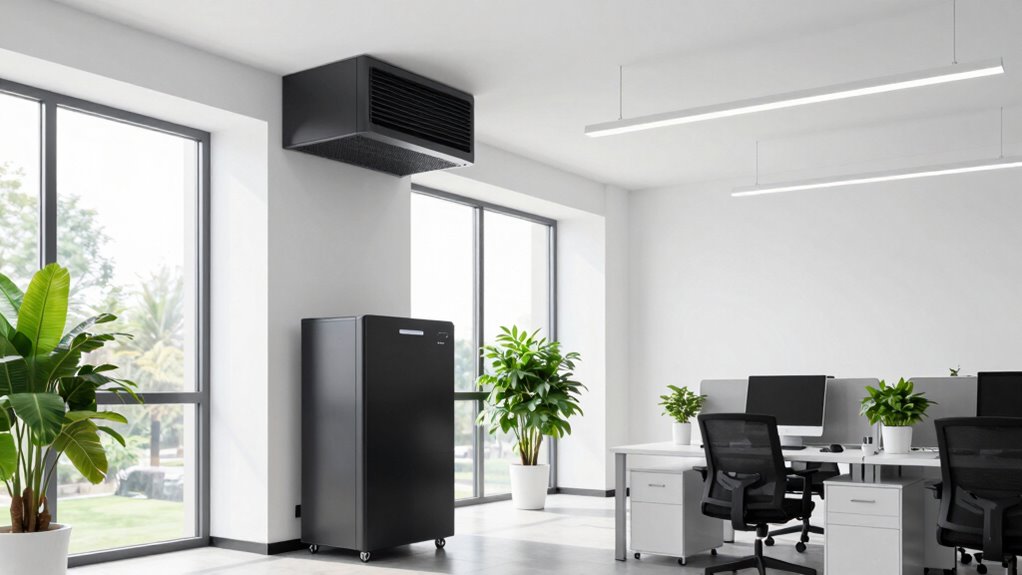
For the biggest impact, mount your air filtration units near the center of a room or close to air circulation paths like doorways and vents. Opt for elevated positions on walls or ceilings to target airborne particles effectively, especially away from obstructions like furniture or curtains. High-traffic areas, such as living rooms or kitchens, are ideal spots. To learn how to optimize your setup further, explore more tips to improve air quality in your space.

Get business pricing on tools and workshop supplies
- Business-only prices and quantity discounts
- Tax-exempt purchasing
- Multiple users, one account, clear invoices
Key Takeaways
- Mount units centrally in high-traffic areas like living rooms or kitchens for maximum air circulation.
- Position units near entry points and airflow paths to enhance pollutant capture and distribution.
- Elevate units on walls or ceilings to target airborne particles near ceilings and improve efficiency.
- Keep units away from obstructions such as walls, furniture, and curtains to ensure unrestricted airflow.
- Strategically place units in multi-room spaces to maximize coverage and optimize air purification.
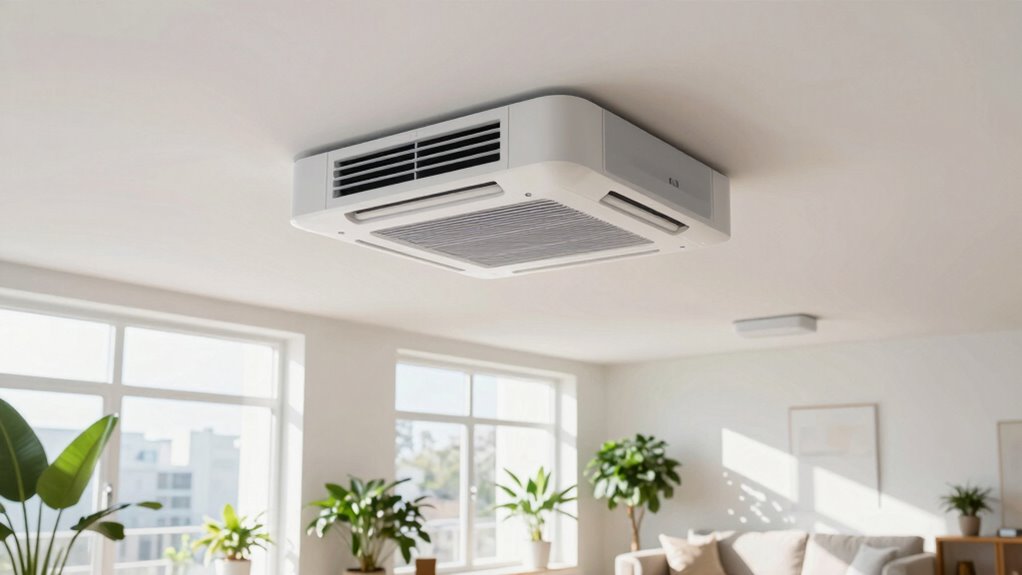
Air filtration units play a vital role in maintaining healthy indoor air quality by removing dust, allergens, pollutants, and airborne pathogens. When you choose to install these units, you’re taking a proactive step toward improving air quality and ensuring a safer, more comfortable environment. But where you mount your air filtration units makes a difference. Proper placement ensures maximum air purification, effectively reducing airborne contaminants and enhancing overall indoor air quality.
You want to position your air filtration units where the air is most stagnant or where air circulation is limited. Corners of rooms, behind furniture, or in less-ventilated areas can cause the unit to work harder without delivering ideal results. Instead, place your unit in central locations, such as the middle of a room or near the main airflow path, to promote even circulation and better air purification. This way, the unit can draw in contaminated air from across the space, process it efficiently, and release cleaner air back into the environment.
Another key factor is avoiding obstructions around the unit. Keep it away from walls, curtains, or furniture that might block airflow. Good clearance around the device allows for unrestricted air intake and output, maximizing its effectiveness. You should also consider mounting the unit higher up, such as on a wall or ceiling mount, especially if the air pollutants tend to settle near the floor or in specific zones. Elevated placement helps the unit capture airborne particles more effectively before they settle or spread further.
In spaces with multiple rooms or open-plan layouts, strategic placement becomes even more critical. Position units near entry points like doorways or in areas with high occupancy, such as living rooms or kitchens. These are spots where pollutants and allergens tend to accumulate or circulate more frequently. By mounting the air filtration units in these high-traffic zones, you enhance air purification where it’s needed most, substantially improving overall air quality.
Lastly, consider the airflow patterns within your space. If you notice drafts or directional airflow from vents or windows, place the units where they can complement these currents rather than oppose them. This alignment helps the air filtration system work more efficiently, circulating cleaner air throughout the room. When you thoughtfully choose mounting locations based on these principles, you ensure your air filtration units operate at peak performance, giving you cleaner, healthier indoor air with every breath. Additionally, understanding how air circulation impacts filtration efficiency can help you optimize placement for even better results.
As an affiliate, we earn on qualifying purchases.
Frequently Asked Questions
How Does Room Size Affect Filtration Unit Placement?
Room size affects where you should place your filtration unit by influencing air circulation and noise levels. In larger rooms, position the unit near the center to guarantee even air distribution, but avoid placing it too close to walls to prevent blocked airflow. For smaller spaces, place it near high-traffic areas for better filtration. Always consider noise levels, especially in quiet zones, and adjust placement accordingly for ideal performance and comfort.
Can Wall-Mounted Units Be More Effective Than Portable Ones?
Wall-mounted units can be more effective than portable ones because of their fixed placement, which allows for strategic positioning in high-traffic or polluted areas, maximizing air circulation. Their advantages include saving space and being quieter. However, portable units have limitations, like restricted placement options and potentially less effective coverage. You should choose based on your room layout, airflow needs, and whether you prefer flexibility or optimized fixed placement.
Is Placement Near Windows or Vents Better?
Placing your air filtration unit near windows or vents can be a game-changer, like turning a tiny trickle into a raging river of clean air. You’ll want to take into account window proximity and vent placement to maximize efficiency. Position the unit where airflow naturally converges, such as close to vents or windows, to catch airborne particles before they spread. This strategic placement ensures your space breathes easier and stays healthier.
How Often Should Filters Be Replaced Based on Location?
You should replace filters every 1 to 3 months, depending on their location. Filters in high-traffic or polluted areas, like near windows or vents, have a shorter lifespan and need more frequent replacement. Regularly check for dirt buildup or reduced airflow, which signals it’s time for a change. Proper placement helps extend filter lifespan, but staying vigilant ensures ideal air quality and system efficiency.
Do Air Filtration Units Require Specific Power Sources?
Like a car needs fuel, your air filtration unit needs a proper power source. You should check its specific power source requirements to guarantee compatibility. Most units run on standard outlets, but some may need dedicated circuits. Always follow electrical safety considerations to prevent hazards. Using the right power source ensures peak performance and keeps your space safe. Never overlook these details—your air quality depends on it.
Conclusion
To get the most out of your air filtration units, place them where air circulates most—like near your breathing zones or common areas. Think of your units as the lungs of your space, silently working to clear the air. When mounted correctly, they’ll act like a gust of fresh air in a stuffy room. So, prioritize their placement, and watch your indoor air quality transform from foggy to crystal clear.
Halloween Picks
halloween
As an affiliate, we earn on qualifying purchases.