
Using a 4-inch duct instead of a 6-inch one can cripple your dust collection system by limiting airflow and causing clogs or reduced suction. Smaller ducts increase resistance, making it harder to transport dust efficiently, which can lead to system damage over time. If you overlook proper sizing, you risk poor performance and frequent maintenance. Keep in mind, choosing the right duct size is essential—if you want to find out how to avoid this common mistake, just keep going.

Get business pricing on tools and workshop supplies
- Business-only prices and quantity discounts
- Tax-exempt purchasing
- Multiple users, one account, clear invoices
Key Takeaways
- Using 4-inch ducts in a system requiring 6-inch capacity restricts airflow, reducing dust transport efficiency and increasing clogging risk.
- Installing 6-inch ducts in a small setup can cause excessive noise, higher energy consumption, and unnecessary system complexity.
- Mismatched duct sizes lead to static pressure loss, decreasing overall dust collection performance and system lifespan.
- Properly sizing ducts according to system needs ensures optimal airflow, reduces maintenance, and prevents dust buildup.
- Oversized or undersized ducts compromise dust removal, increasing the likelihood of system failures and costly repairs.
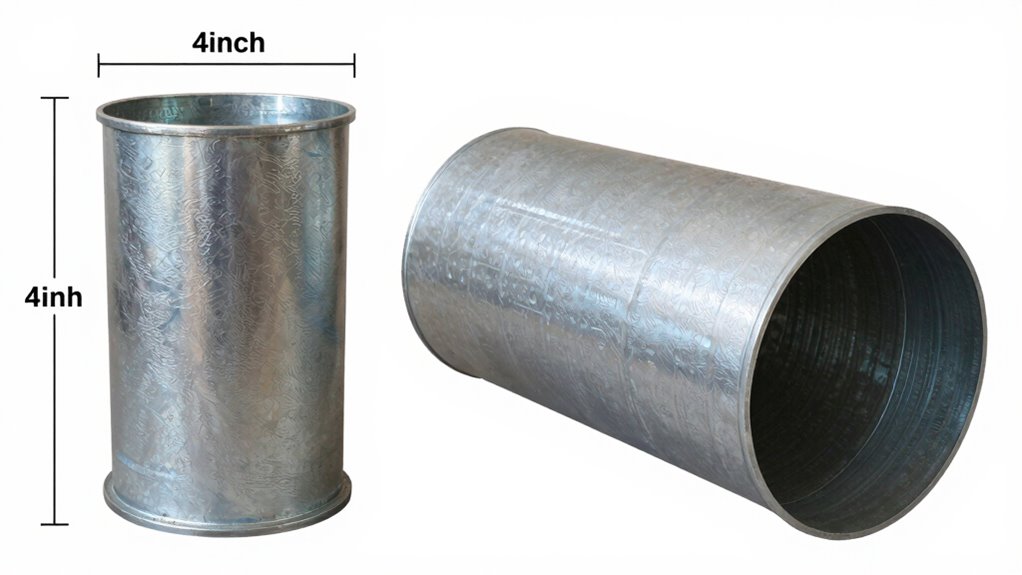
Choosing the right duct size is vital for efficient airflow and system performance. When it comes to dust collection, selecting the correct duct diameter can make or break your setup’s effectiveness. A duct that’s too small restricts airflow, causing dust particles to settle and clog your system. Conversely, a duct that’s too large may seem beneficial but can lead to decreased airflow velocity, which hampers dust transport and reduces overall efficiency. Understanding how duct diameter impacts airflow efficiency is fundamental to designing a system that works smoothly.
A 4-inch duct typically provides adequate airflow for small workshops or light-duty dust collection tasks. Its smaller size means higher air velocity, which helps carry dust particles along the duct’s length effectively. However, if your system requires moving larger volumes of air or handling heavier dust loads, relying solely on a 4-inch duct can lead to bottlenecks. The limited duct diameter restricts airflow capacity, resulting in reduced suction power and increased chances of dust accumulation in the ductwork. Over time, this can cause clogs, reduce suction, and even damage your equipment.
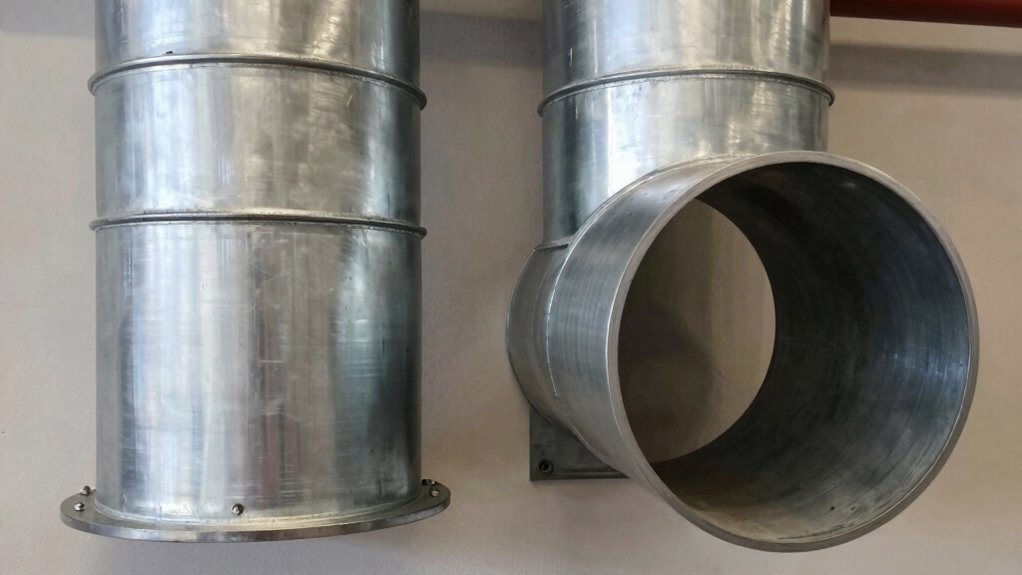
Switching to a 6-inch duct offers a significant boost in airflow capacity. The larger duct diameter allows for a greater volume of air to flow through with less resistance, which means higher airflow efficiency. With more efficient airflow, you can maintain stronger suction at the tool or machine connection point, ensuring dust is effectively captured before it settles or escapes. This increased capacity also reduces the risk of clogging, making maintenance easier and keeping your dust collection system running smoothly for longer periods. If you’re dealing with moderate to heavy dust loads, the 6-inch duct is often the better choice because it prevents performance drops caused by inadequate airflow.
However, bigger isn’t always better if your system isn’t designed for it. Installing a 6-inch duct where a smaller system is intended can cause issues, such as excessive noise, higher energy consumption, and unnecessary costs. It’s essential to match the duct diameter to your dust collection needs and system capacity. Proper sizing improves airflow efficiency, minimizes static pressure loss, and ensures your setup performs at its best. Additionally, understanding airflow dynamics is crucial for optimizing duct design and avoiding common pitfalls. Remember, the goal is to strike a balance: choosing a duct size that offers enough airflow to handle your workload without creating unnecessary resistance or costs. When you get this right, you’ll notice improved dust collection, better system longevity, and a cleaner workspace overall.
As an affiliate, we earn on qualifying purchases.
Frequently Asked Questions
How Does Duct Size Affect Overall Dust Collection Efficiency?
You’ll notice that duct size directly impacts dust collection efficiency by influencing airflow resistance and dust accumulation. Using a duct that’s too narrow increases resistance, slowing airflow and letting dust settle, which hampers your system’s performance. Conversely, a properly sized duct reduces resistance, maintains consistent airflow, and prevents dust buildup, ensuring your dust collection system operates effectively and keeps your workspace cleaner.
Can Switching Between Duct Sizes Improve System Performance?
Switching between duct sizes can improve system performance if you address airflow restrictions and optimize duct installation. Upgrading to a larger duct reduces resistance, allowing for better airflow and more efficient dust collection. However, verify the new duct size matches your system’s capacity and that you install it correctly to prevent leaks or restrictions. Properly sizing and installing your ducts maximizes performance and keeps your dust collection system running smoothly.
What Are the Cost Differences Between 4-Inch and 6-Inch Ducting?
The cost comparison between 4-inch and 6-inch ducting shows that 4-inch options are generally cheaper upfront. You’ll save on material costs and installation expenses with smaller ducts. However, keep in mind that larger 6-inch ducting may require more robust fittings and support, which can increase installation expenses. While initial costs are lower for 4-inch ducting, consider system performance to avoid costly upgrades later.
Are There Safety Concerns With Improper Duct Sizing?
Improper duct sizing can pose safety risks, especially if the duct is too narrow, increasing fire hazard due to dust buildup and static sparks. It can also affect your respiratory health by reducing dust collection efficiency, allowing particles to escape into the air. Always verify your ducting is properly sized for your system to maintain safety, prevent fire risks, and keep the air clean for you.
How Do Duct Size Choices Impact System Maintenance?
Choosing the right duct size impacts your system’s maintenance by reducing airflow restrictions, which keeps the system running smoothly. Larger ducts are easier to clean and less prone to clogging, lowering your maintenance effort. Smaller ducts increase installation complexity and can cause frequent blockages. Proper sizing minimizes airflow issues, making maintenance simpler and more efficient, so you spend less time troubleshooting and more time focusing on your projects.
Conclusion
So, next time you’re tempted to stick with that “standard” 4-inch duct, remember it’s the silent killer of your dust collection dreams. Unless you fancy clogging your system faster than a clogged sink, upgrading to 6-inch ducting is the real game-changer. Don’t let a tiny mistake turn your workshop into a dusty disaster zone. Choose wisely, or prepare for the inevitable: a cleanup that’ll make you wish you’d just gone bigger from the start.
Fall yard work Picks
leaf blowers
As an affiliate, we earn on qualifying purchases.