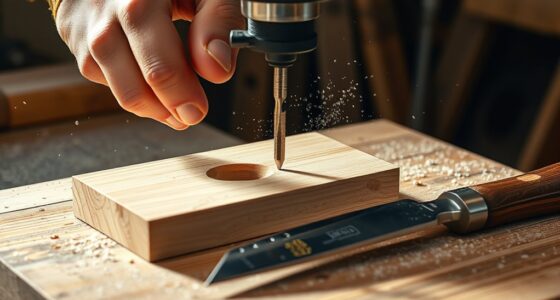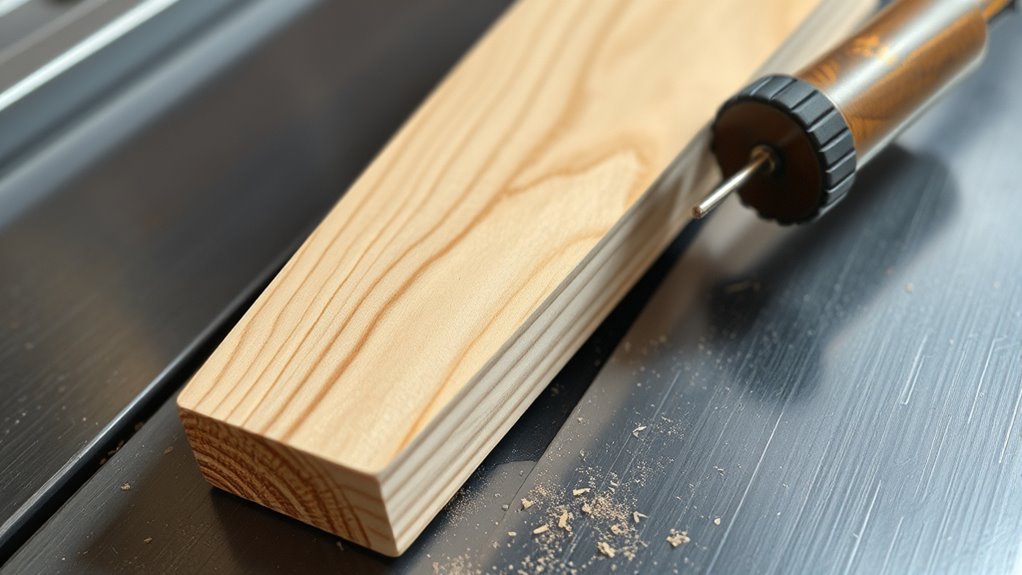
Featherboards and push sticks are essential safety tools that help guide your workpieces hands-free, making cuts safer and more precise. Featherboards keep pressure against the fence or table, preventing shifting and kickback, while push sticks keep your fingers at a safe distance from blades when guiding small or narrow pieces. Using these tools consistently improves safety and cut quality. Keep exploring to discover how mastering their proper use can boost your workshop safety and efficiency.
Key Takeaways
- Featherboards apply even pressure to hold workpieces securely against the fence, enabling hands-free guidance during cuts.
- Push sticks allow safe guiding of narrow or small pieces without risking contact with the blade.
- Properly aligned featherboards and push sticks reduce the need for manual contact, increasing safety and precision.
- Integrating these tools ensures consistent contact with the workpiece, promoting hands-free operation.
- Using safety tools correctly minimizes the risk of accidents while improving cut accuracy and workflow efficiency.
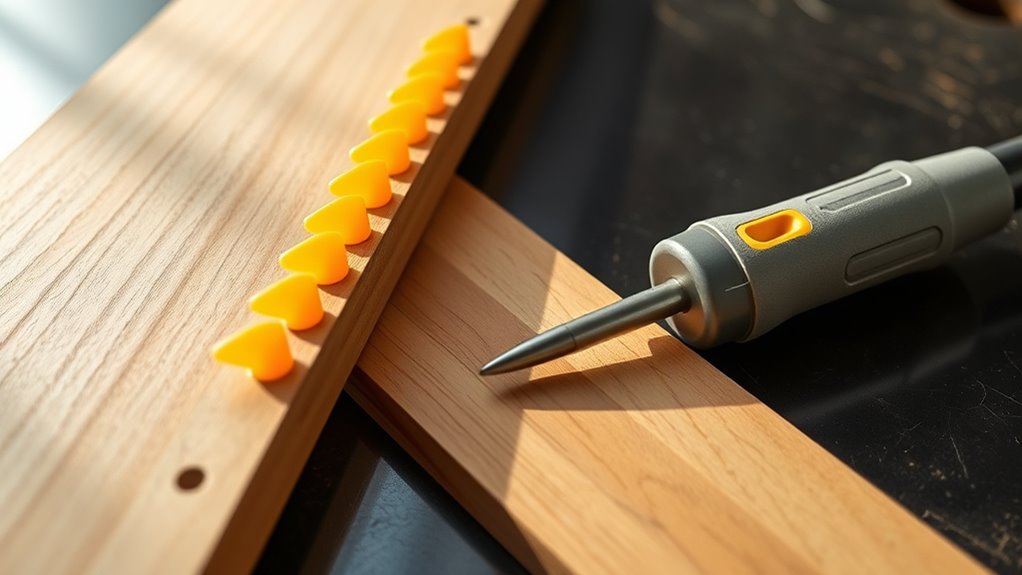
Featherboards and push sticks are essential safety tools that help you make precise cuts while protecting your fingers and hands. When working with power tools and sharp blades, safety precautions aren’t just recommended—they’re necessary. Incorporating these tools into your woodworking techniques can considerably reduce the risk of accidents, making your projects safer and more accurate. Featherboards keep your workpiece pressed firmly against the fence or table, ensuring a consistent cut and preventing kickback. Push sticks, on the other hand, allow you to guide small or narrow pieces through saw blades without risking contact with the cutting edge. Together, these tools promote a safer working environment by keeping your hands at a safe distance from moving blades, especially when you’re handling tricky or delicate cuts.
Using featherboards correctly is a key part of good woodworking techniques. You should attach them securely to your table saw or router table, ensuring they exert even pressure on the workpiece. This not only improves the quality of your cuts but also minimizes the chance of the wood shifting unexpectedly. When using a featherboard, always check that it’s aligned properly and that it maintains constant contact with the workpiece throughout the cut. This consistency is crucial for keeping your cuts clean and reducing the need for rework. Proper use of featherboards also helps you follow safety precautions by reducing the likelihood of your hand slipping into the blade. Over time, integrating featherboards into your workflow will become second nature, allowing you to focus more on craftsmanship than on safety concerns. Additionally, selecting the right tuning techniques for your tools can enhance precision and safety, creating a more efficient workshop environment.
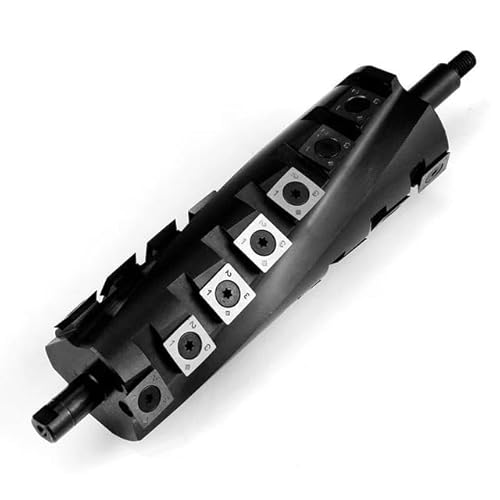
FINDBUYTOOL Helical Cutterhead for Porter Cable PC160JT 6" Benchtop Jointer with Carbide Insert Knives, 40X Longer Life, 50% Less Noise for Woodworking, Furniture Making, DIY & Professional Use
【Precision Carbide Cutting】 Upgrade your PC160JT jointer with 21 tungsten carbide insert knives that provide 40X longer lifespan...
As an affiliate, we earn on qualifying purchases.
Frequently Asked Questions
Are Featherboards and Push Sticks Suitable for All Types of Power Tools?
Featherboards and push sticks aren’t suitable for all power tools. You need to take into account tool compatibility and material considerations to guarantee safe and effective use. For example, featherboards work well on table saws and router tables, but not on handheld tools. Push sticks are essential for narrow cuts with saws, but may not be compatible with larger, stationary equipment. Always check your tool’s specifications before using these accessories.
How Do I Choose the Right Featherboard for My Specific Saw?
When choosing the right featherboard for your saw, consider the materials—soft plastics are gentle but durable, while rubber provides better grip. Match the featherboard’s design to your saw’s type; some have specific mounting options. Also, evaluate push stick designs for comfort and control. You want a featherboard that securely guides your workpiece without obstructing your view, ensuring safety and precision during cuts.
Can I Use a Push Stick for Crosscutting or Only Rip Cuts?
Think of a push stick as your safety net—yes, you can use it for crosscutting too. It’s essential for crosscut safety, helping you keep control and avoid dangerous kickbacks. Just make certain you follow proper push stick techniques, keeping your hands clear of the blade. Using a push stick for crosscuts offers a steady grip, reducing the risk of slips, so you can cut confidently while staying safe.
What Safety Precautions Should I Take When Using These Tools?
When using featherboards and push sticks, you should wear personal protective equipment like safety glasses and hearing protection. Keep your workspace well-organized, ensuring tools and materials are clear to prevent accidents. Always maintain a firm grip and stay focused on your task. Never bypass safety features, and take your time to avoid rushing. Proper workspace organization and PPE help minimize risks, keeping you safe during crosscuts or rip cuts.
How Often Should I Replace or Inspect Featherboards and Push Sticks?
Think of your featherboards and push sticks as trusted companions; you should inspect them before every use, looking for cracks or wear that could compromise safety. Replace them whenever they show signs of damage or after extended use, like worn-out blades needing maintenance. Store them properly, following best practices, to keep their integrity intact. Regular inspection and timely replacement guarantee your guiding tools stay sharp and dependable, keeping your workspace safe and efficient.

FINDBUYTOOL Helical Cutterhead for RIDGID 6" Jointers JP0610 JP06101 JP6101 JP06000 - Carbide Insert Knives, Low Noise, Smooth Finish Jointer Upgrade
【Precision Upgrade for RIDGID Jointers】Designed specifically for RIDGID JP0610, JP06101, JP6101, and JP06000 6-inch jointer models. This helical...
As an affiliate, we earn on qualifying purchases.
Conclusion
By using featherboards and push sticks, you can work more safely and precisely without sacrificing control. Some might worry these tools slow down the process, but with practice, you’ll find they actually increase efficiency by reducing mistakes and rework. Embracing these techniques not only protects your fingers but also elevates your craftsmanship. Remember, investing a little time in mastering these tools pays off with cleaner cuts and greater confidence in every project.
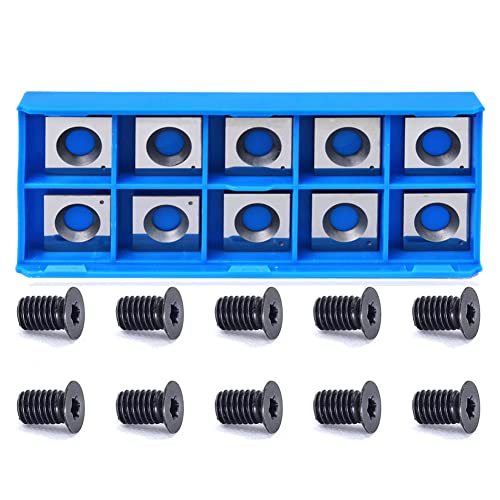
Indexable Carbide Insert Knife 14.3x14.3x2.0mm-50° 2-Edge Replacement Cutter for Cutech Tool Rikon Carbatec and Most Planer Jointer Helical Cutterheads, 10 Packs
Standard Cutter Size: 14.3mm square with straight corners 2mm thick,2 indexable cutting edges, 50 degree cutting bevel. Inserts...
As an affiliate, we earn on qualifying purchases.
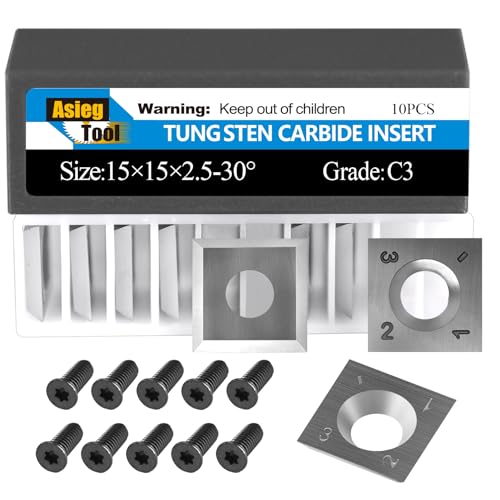
15mm Standard Square Straight Tungsten Carbide Replacement Cutter Inserts Knives 15mm x 15 x 2.5mm for Woodworking Spiral Helical Planer Head and DIY Wood Lathe Turning Tools 10pcs
Standard Size-15mm(length)X15mm(width)X2.5mm(thickness) square straight with 4 edges,30 degree cutting angle.
As an affiliate, we earn on qualifying purchases.