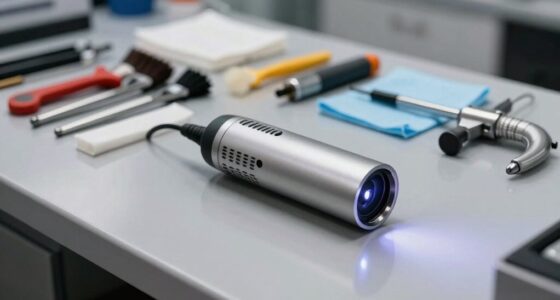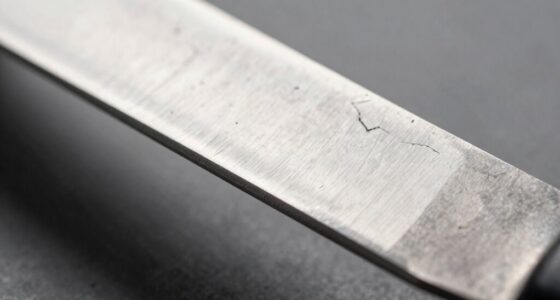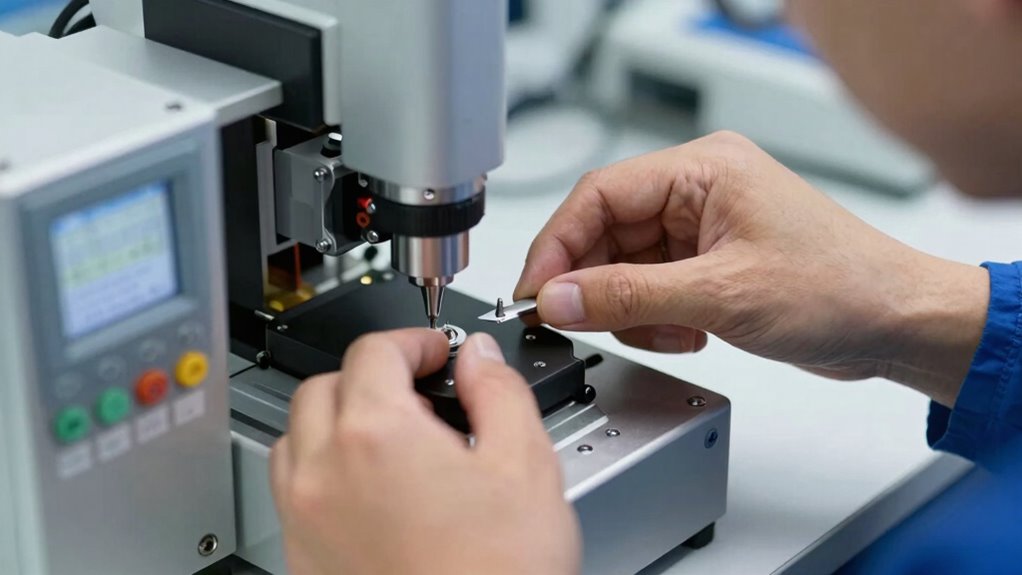

Performing quick calibration checks regularly helps you catch deviations early, preventing costly mistakes and ensuring your equipment stays accurate. By verifying sensor accuracy with simple tools like reference standards, you support proactive maintenance, extend equipment life, and avoid expensive repairs. These routine checks keep your operations compliant and reliable. Incorporating them into your workflow minimizes risks and safeguards your reputation. Keep going to discover more ways these fast checks can save your business from costly errors.

Get tools and workshop supplies delivered free — and shop member deals
- Fast, free delivery on millions of items
- Access to Prime Big Deal Days deals on October 6–7
- Prime Video, Amazon Music and more included
Key Takeaways
- Regular, quick verification with reference standards ensures sensor accuracy and prevents costly errors.
- Incorporating routine calibration checks into daily workflows enhances operational reliability.
- Early detection of deviations helps avoid major equipment failures and expensive repairs.
- Simple calibration tools and quick tests maintain compliance and reduce safety risks.
- Consistent calibration checks safeguard data integrity, protecting reputation and business continuity.
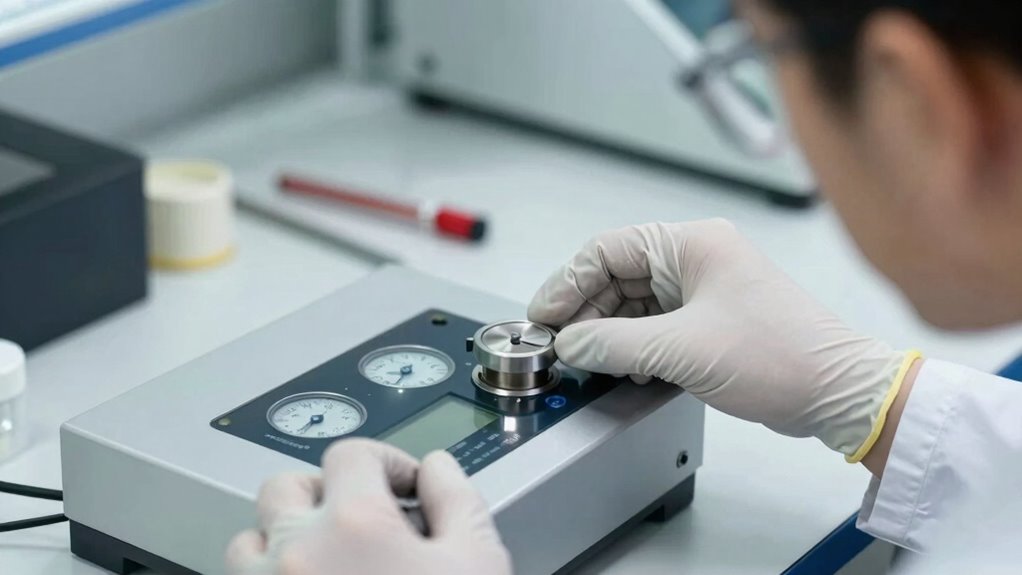
Calibration checks might seem like minor tasks, but they play a crucial role in preventing costly mistakes. When you regularly verify the accuracy of your sensors, you guarantee that your equipment is performing reliably and providing precise readings. Sensor accuracy is critical in many industries, from manufacturing to healthcare, where even small deviations can lead to significant errors. By conducting quick calibration checks, you catch potential issues early, saving you from the consequences of faulty data and faulty decisions down the line. These checks are a simple yet effective way to maintain the integrity of your measurements and keep your operations running smoothly.
Regular calibration checks ensure accurate sensors, reliable data, and smooth operations across industries.
Performing routine calibration checks also supports proper equipment maintenance. Instead of waiting for equipment to malfunction or produce inconsistent results, you proactively identify and address problems. This approach extends the lifespan of your tools and reduces downtime, which can be costly in terms of lost productivity. When you double-check calibration, you’re fundamentally giving your equipment regular health assessments, ensuring everything remains within specified tolerances. Regular calibration checks help prevent minor misalignments from escalating into major repairs or replacements, which often come with hefty price tags. Additionally, understanding the importance of sensor calibration can help you better appreciate how small adjustments can prevent larger issues. Conducting these checks also enhances your ability to detect early warning signs of potential failures, thereby fostering a more proactive maintenance culture.
Incorporating routine checks into your workflow can significantly improve overall operational efficiency. Regular calibration checks also help maintain compliance with industry standards and regulations, which is essential for avoiding penalties. You don’t need elaborate procedures to perform these quick calibration checks. Often, it’s as simple as using a known reference standard or calibration tool to verify sensor readings. For example, if you’re working with temperature sensors, a quick check against a calibrated thermometer can confirm if your sensor is still accurate. If discrepancies are detected, you can recalibrate immediately or schedule maintenance before the issue impacts your entire system. This simple step saves you from making decisions based on incorrect data, which could lead to costly errors, product recalls, or safety hazards.
Moreover, these checks foster a culture of quality control. When you make calibration verification a routine habit, it becomes an integral part of your workflow. This consistency helps catch problems early, before they compromise safety or quality. It also minimizes the risk of regulatory non-compliance, which can result in fines or sanctions. By staying vigilant with quick calibration checks, you’re not just protecting your equipment—you’re safeguarding your reputation, your bottom line, and the trust of your clients. Emphasizing the importance of preventive maintenance can lead to more reliable operations and fewer unexpected failures.
As an affiliate, we earn on qualifying purchases.
Frequently Asked Questions
How Often Should Calibration Checks Be Performed?
You should perform calibration checks regularly based on your sensor’s accuracy and recommended calibration intervals. Typically, checking sensors weekly or monthly guarantees reliable measurements. However, if your environment is harsh or your sensors are critical, more frequent checks might be necessary. Regular calibration helps maintain sensor accuracy, prevent costly mistakes, and ensure consistent performance. Always follow manufacturer guidelines for specific calibration intervals to keep your sensors functioning at their best.
What Tools Are Best for Quick Calibration Verification?
Think of calibration verification tools as your watchful lighthouse. To guarantee sensor accuracy, you need reliable tools like calibration checkers and reference standards that act as your guiding light. Use portable calibration devices for quick, on-the-spot checks, and compare readings with certified reference standards for precision. These tools help you spot discrepancies early, keeping your measurements trustworthy and preventing costly mistakes down the line.
Can Calibration Errors Go Unnoticed Without Regular Checks?
Yes, calibration errors can go unnoticed without regular checks. Sensor drift over time can cause readings to fall outside calibration tolerance, leading to inaccurate data. If you don’t perform routine calibration verification, these errors might accumulate unnoticed, risking costly mistakes in your processes. Regular quick calibration checks help catch drift early, ensuring your sensors stay accurate and your results remain reliable, saving you time and money in the long run.
Are There Industry Standards for Calibration Frequency?
You wonder if industry standards dictate how often you should calibrate. In truth, industry compliance often recommends specific calibration intervals, but these can vary by sector and equipment. Failing to adhere could silently compromise your accuracy, leading to costly errors. Staying vigilant with regular calibration checks guarantees you meet industry standards, avoid penalties, and keep your operations precise. Don’t leave it to chance—set your calibration schedule today.
How Do Calibration Checks Impact Overall Product Quality?
Calibration checks directly impact your product quality by ensuring measurement accuracy, which is essential for maintaining consistent standards. When you perform quick calibration routines regularly, you catch errors early, reducing defects and rework. This proactive approach strengthens your quality assurance processes, minimizes costly mistakes, and boosts customer satisfaction. Ultimately, consistent calibration checks help you deliver reliable, high-quality products that meet industry standards and consumer expectations.
Conclusion
Think of calibration checks as your lighthouse guiding you through foggy waters. Just as a lighthouse prevents ships from crashing into rocks, these quick checks steer you clear of costly errors. By regularly verifying your instruments, you keep your course true, avoiding dangerous surprises ahead. Embrace these simple steps as your guiding light, ensuring smooth sailing and safe arrival at your destination—accuracy and success—without costly wrecks along the way.
Fall Picks
fall essentials
As an affiliate, we earn on qualifying purchases.