The smart way to handle water damage on wood surfaces begins with acting quickly to stop moisture from penetrating further. Remove standing water, dry the area thoroughly with fans and dehumidifiers, and confirm the wood is completely dry. Protect the surface by applying suitable sealants or varnishes, and address any visible damage early with sanding or replacement. Maintaining good ventilation and reapplying protective coatings regularly helps prevent future issues. Keep exploring to discover detailed steps for long-term preservation.

Get business pricing on tools and workshop supplies
- Business-only prices and quantity discounts
- Tax-exempt purchasing
- Multiple users, one account, clear invoices
Key Takeaways
- Act immediately to remove moisture and dry the affected area thoroughly to prevent mold growth.
- Identify and repair sources of water intrusion, such as leaks or poor drainage, to prevent recurring damage.
- Apply appropriate protective sealants or coatings to create a moisture barrier and preserve wood integrity.
- Replace severely damaged wood sections to ensure structural stability and prevent further deterioration.
- Maintain ongoing prevention through regular sealing, ventilation, and moisture management practices.
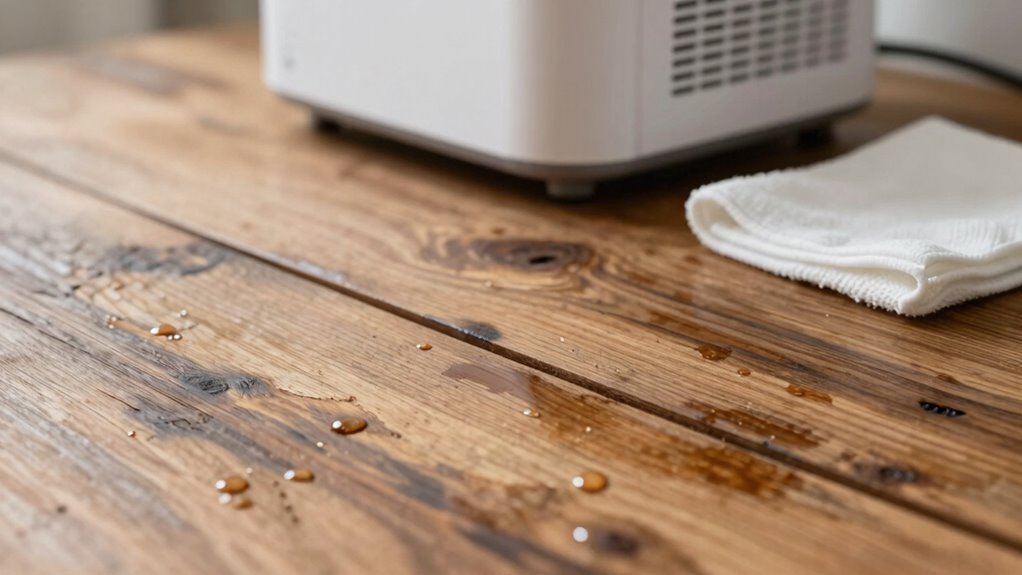
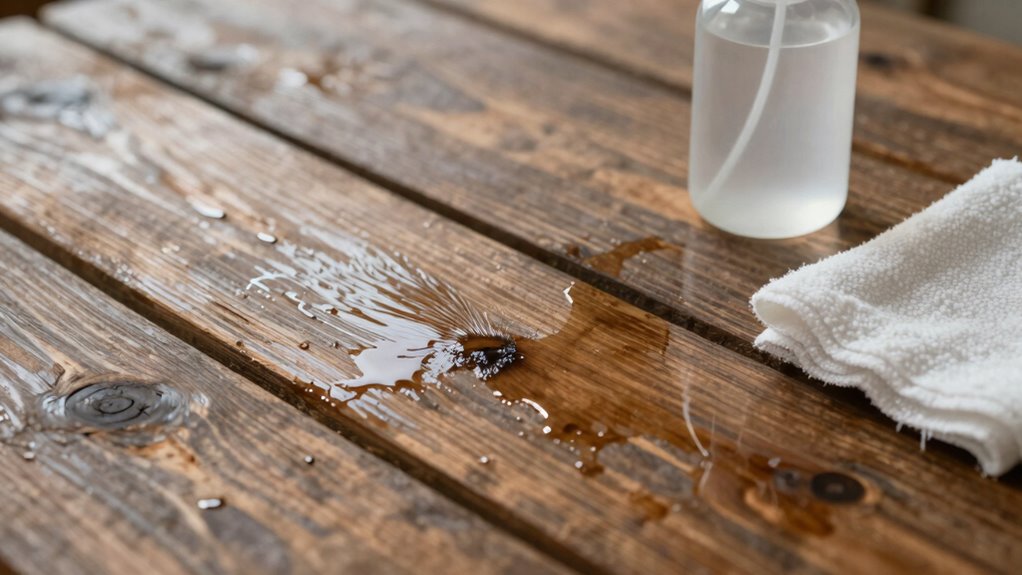
Water damage on wood surfaces can quickly lead to deterioration if not addressed promptly. When you notice water exposure, your first priority should be to prevent further moisture intrusion. This is where moisture prevention comes into play. By acting swiftly, you can minimize the damage and preserve the integrity of the wood. Start by removing any standing water and drying out the affected area thoroughly. Use fans, dehumidifiers, and good ventilation to accelerate the drying process. Confirming the wood dries completely prevents mold growth and stops the damage from spreading further.
Act quickly to remove standing water and thoroughly dry wood to prevent mold and further damage.
Once you’ve dried the surface, focus on wood preservation. The goal here is to restore the wood and prevent future issues. Applying protective coatings, such as sealants or varnishes, creates a barrier that repels moisture. When selecting these products, make sure they are suitable for your specific wood type and the environment it’s in. Proper sealing not only prolongs the lifespan of the wood but also makes future moisture prevention easier. Regular maintenance, including reapplication of sealants, will help you stay ahead of potential problems. Additionally, understanding the importance of moisture barriers can greatly improve your efforts in preventing water infiltration. Incorporating proper sealing techniques is also essential to ensure comprehensive protection.
If you discover that the water damage has caused swelling, warping, or staining, you may need to take additional steps. Sanding and refinishing can help restore the surface, but only after you’re certain the wood is fully dry and stabilized. For severe damage, replacing the compromised sections might be necessary to ensure structural integrity. It’s essential to address damage early, as delays often lead to more extensive repairs and higher costs later on. Moreover, implementing drainage strategies can significantly reduce water exposure to your wood surfaces. Remember, moisture prevention isn’t just a one-time effort but an ongoing process to protect your wood from the damaging effects of water.
As an affiliate, we earn on qualifying purchases.
Frequently Asked Questions
How Can I Prevent Water Damage on Outdoor Wooden Furniture?
To prevent water damage on your outdoor wooden furniture, regularly clean it with gentle techniques to remove dirt and debris. Apply protective coatings, like sealants or water-resistant finishes, to create a barrier against moisture. Cover your furniture during heavy rain or snow, and move it to a sheltered area when not in use. These steps keep your wood dry, prolong its lifespan, and maintain its appearance.
Are There Eco-Friendly Methods to Treat Water-Damaged Wood?
Yes, you can treat water-damaged wood eco-friendly by using natural sealants and non-toxic treatments. These options effectively protect and restore your wood without harmful chemicals, making them safe for the environment and your family. Apply natural sealants like beeswax or plant-based oils to create a moisture-resistant barrier. Non-toxic treatments, such as mineral-based preservatives, penetrate deeply to repair damage while maintaining eco-friendliness.
How Long Does It Take for Water Damage to Become Irreversible?
Water damage can become irreversible within 48 to 72 hours if you don’t act quickly. You need to do a timing assessment and look for damage indicators like warping, swelling, or mold growth. The longer water sits, the more it compromises the wood’s integrity. So, if you notice any signs, address the issue immediately to prevent permanent damage and save your wood surfaces from costly repairs.
Can I Repair Water-Damaged Wood Myself or Should I Hire a Pro?
Sure, you can try DIY repair, but imagine your furniture turning into a soggy sponge cake—deliciously ruined. Water-damaged wood can be tricky, and if you’re not confident, professional help’s your best bet. A pro can assess, dry, and restore your wood properly, saving you from a future disaster. So, consider your skills and the extent of damage before risking a kitchen nightmare or calling in the experts.
What Are Signs of Mold Growth After Water Damage on Wood?
You’ll notice signs of mold growth on water-damaged wood as dark, fuzzy patches or discoloration, often accompanied by a musty smell. To prevent mold, focus on mold prevention by thoroughly drying the area and reducing moisture. Use moisture detection tools to identify hidden damp spots, and address water issues promptly. Keep the environment well-ventilated and clean to inhibit mold development and protect your wood surfaces.
Conclusion
Think of your wooden surfaces as a delicate sailboat on a vast ocean. When water threatens, you’re the captain who must steer wisely—promptly drying and repairing to prevent the storm from sinking your ship. Ignoring small leaks can lead to a sinking vessel, but with swift action, you keep your boat afloat and thriving. By tending to water damage early, you preserve your wood’s strength and beauty, ensuring smooth sailing for years to come.
Fall yard work Picks
leaf blowers
As an affiliate, we earn on qualifying purchases.