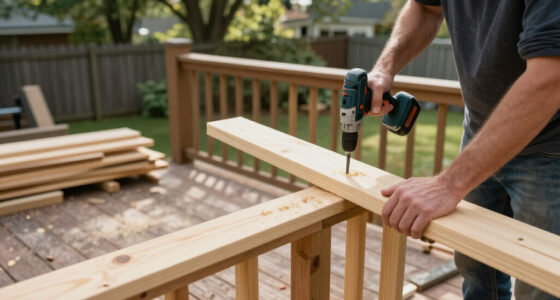

As a woodworker, you should ask if your finishes are low-VOC and eco-friendly. Traditional finishes can release harmful fumes that affect your health and indoor air quality. Switching to low-VOC and water-based options can reduce toxins, improve safety, and lessen environmental impact without sacrificing durability. Making informed choices about your finishes shows you care about safety and sustainability. Keep exploring these options to discover how you can improve your projects and protect your well-being.

Get business pricing on tools and workshop supplies
- Business-only prices and quantity discounts
- Tax-exempt purchasing
- Multiple users, one account, clear invoices
Key Takeaways
- What are the long-term health impacts of traditional versus low-VOC finishes on woodworkers and users?
- How do low-VOC finishes compare in durability and performance to conventional solvent-based options?
- Are eco-friendly, water-based finishes truly safer for indoor air quality and environmentally sustainable?
- What are the best practices for selecting and applying low-VOC finishes to maximize safety and longevity?
- How can industry standards and certifications guide woodworkers toward safer, more sustainable finishing choices?
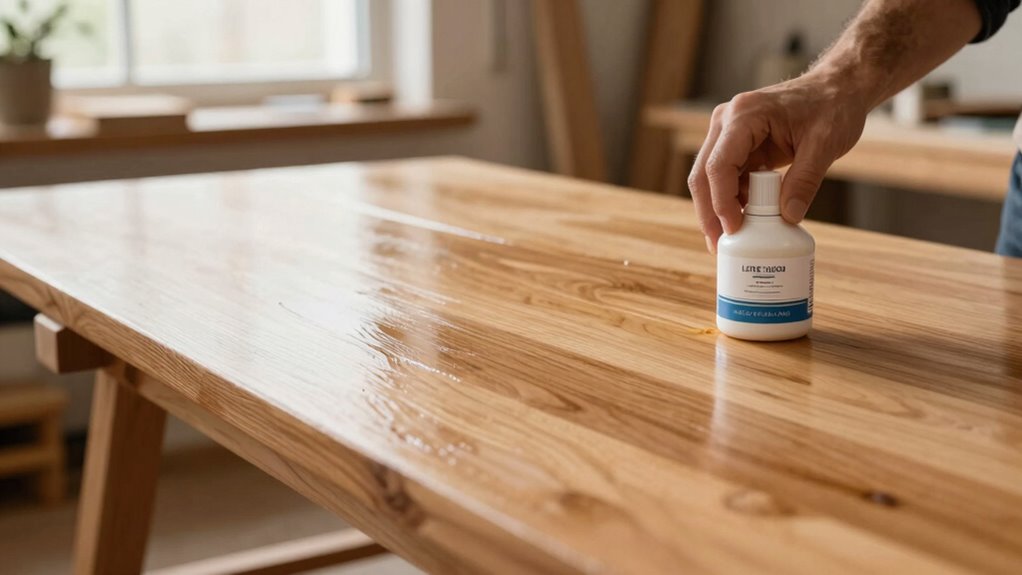
Have you ever considered the impact of your finishing products on your health and the environment? As a woodworker, you spend a lot of time applying finishes, and those choices can markedly affect both your well-being and the planet. The question of whether to use traditional finishes or explore low-VOC options is more important than ever. Low-VOC finishes contain fewer volatile organic compounds, which means they release fewer harmful fumes into the air. This not only creates a safer workspace but also reduces your exposure to toxins that can cause respiratory issues or skin irritation. With health safety considerations in mind, it’s wise to explore eco friendly alternatives that prioritize your safety while also being mindful of environmental impact.
Switching to low-VOC finishes doesn’t mean sacrificing quality or durability. Many modern formulations are just as effective as conventional finishes but with the added benefit of being less toxic. These eco friendly alternatives often include water-based finishes, which emit fewer fumes and have lower odor levels. As you apply these finishes, you’ll notice they dry faster and are easier to clean up with soap and water, making your work process smoother and less messy. Plus, they’re safer to use around children, pets, and anyone sensitive to chemical fumes. When you choose low-VOC options, you’re making a conscious decision to improve indoor air quality in your workshop and at home. Additionally, understanding the toxicity of traditional finishes can help you make more informed choices that protect your health.
Choosing water-based, low-VOC finishes enhances safety, speeds drying, and simplifies cleanup without compromising quality.
The health safety considerations tied to traditional finishes are often overlooked until you experience discomfort or health issues firsthand. By asking yourself whether your current finishing products are truly safe, you open the door to better practices. You’ll find that many eco friendly alternatives are now readily available at your local suppliers or online, giving you a range of options to suit your project needs. Some finishes are formulated with natural ingredients or plant-based solvents, further reducing environmental impact. These choices not only protect your lungs and skin but also contribute to sustainability efforts, minimizing pollution and waste. Incorporating environmentally friendly materials into your woodworking projects can significantly reduce your ecological footprint, making your craft more sustainable.
Ultimately, asking about low-VOC finishes isn’t just about compliance or trendiness; it’s about prioritizing your health and the health of those around you. The more you learn about eco friendly alternatives, the easier it becomes to make informed decisions that align with your values. You’ll find that these finishes often perform just as well or better than traditional options, especially when it comes to reducing harmful emissions. As awareness of VOC emissions and health risks grows, more woodworkers are seeking safer finishing options. By integrating low-VOC finishes into your workflow, you demonstrate a commitment to safety, quality, and environmental responsibility—values that resonate well beyond your workshop.
As an affiliate, we earn on qualifying purchases.
Frequently Asked Questions
Are Low-Voc Finishes as Durable as Traditional Finishes?
Low-VOC finishes can be just as durable as traditional finishes when properly applied, but you should consider environmental impact and cost considerations. They emit fewer harmful fumes, making them safer for you and the environment. While sometimes slightly more expensive upfront, their long-term benefits—like less health risk and eco-friendliness—often outweigh costs. With proper application, low-VOC finishes provide excellent durability for your woodworking projects.
How Do I Properly Dispose of Low-Voc Finish Waste?
To properly dispose of low-VOC finish waste, you should first check local regulations since disposal methods vary. Usually, you’ll want to allow the chemical to evaporate in a well-ventilated area, then dispose of the residual container according to hazardous waste guidelines. Understanding the chemical breakdown helps you identify safe disposal methods, ensuring you don’t harm the environment or violate laws. Never pour leftover finish down drains or onto the ground.
Can Low-Voc Finishes Be Used Outdoors?
Yes, low-VOC finishes can often be used outdoors, but you should check the product label for outdoor suitability. These eco-friendly alternatives reduce environmental impact, making them a better choice for exterior projects. Keep in mind that outdoor conditions may affect the finish’s durability, so selecting a product specifically formulated for outdoor use is essential. Proper application guarantees you enjoy the benefits of an eco-conscious finish while protecting your woodwork from the elements.
Do Low-Voc Finishes Require Special Application Tools?
No, low-VOC finishes don’t require special application tools, but you should pay attention to brush maintenance to guarantee smooth application. Using quality brushes helps prevent streaks and ensures even coating. Keep in mind that low-VOC finishes often have longer drying times, so allow ample drying before handling. Proper brush cleaning after use maintains tool longevity, and patience during drying results in a professional-looking, eco-friendly finish.
Are There Any Health Risks Associated With Low-Voc Finishes?
You might wonder if low-VOC finishes pose health risks, and generally, they’re safer for indoor air quality. However, they can still contain chemicals that cause allergic reactions or irritation if you’re sensitive. While they reduce chemical exposure compared to traditional finishes, it’s wise to verify proper ventilation during application. Always read labels carefully to understand potential risks and take precautions, especially in enclosed spaces, to maintain a healthy indoor environment.
Conclusion
Switching to a low-VOC finish isn’t just a smart choice—it’s like upgrading your workshop to the safety and health Olympics. You’ll protect yourself, your loved ones, and the environment while still achieving stunning results. Don’t let harmful fumes rule your projects—embrace low-VOC options and transform your woodworking game into something legendary. After all, a safer workspace isn’t just a goal; it’s your ticket to becoming the ultimate woodworking hero.
Fall yard work Picks
leaf blowers
As an affiliate, we earn on qualifying purchases.