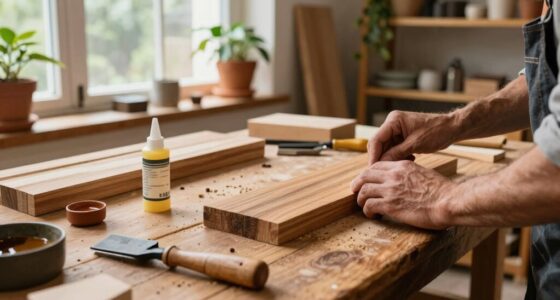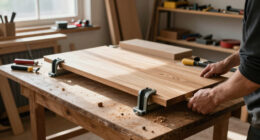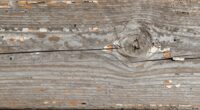
When choosing materials for your cabinets, consider durability, appearance, and budget. Solid wood offers natural beauty but can warp with humidity and costs more. Plywood is strong, moisture-resistant, and affordable, making it a practical choice. MDF provides a smooth, paint-ready surface ideal for a sleek look but isn’t as resistant to moisture. Understanding these differences helps you make the best decision—keep exploring to find out which material suits your needs best.

Get tools and workshop supplies delivered free — and shop member deals
- Fast, free delivery on millions of items
- Access to Prime Big Deal Days deals on October 6–7
- Prime Video, Amazon Music and more included
Key Takeaways
- Plywood offers superior moisture resistance and strength, making it ideal for durable, long-lasting cabinets.
- MDF provides a smooth, paint-ready surface perfect for detailed finishes and modern aesthetics.
- Solid wood adds natural beauty and character but is more sensitive to environmental changes and higher in cost.
- Plywood and MDF are more affordable and easier to handle, reducing installation time and material costs.
- Choose based on environment: plywood for humidity, MDF for painted interior finishes, and solid wood for authentic, natural look.
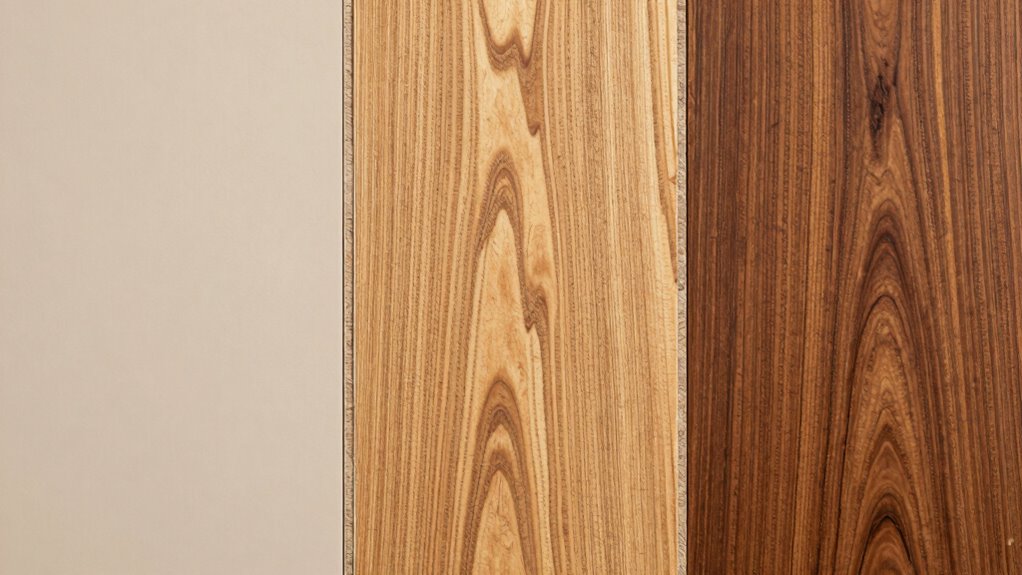
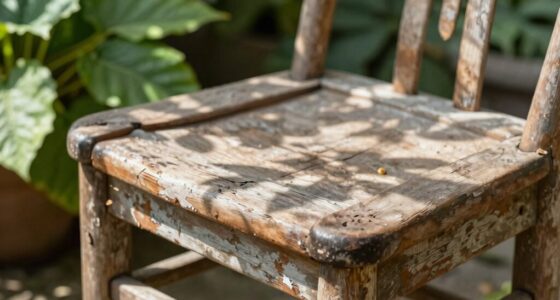
When choosing materials for your woodworking projects, understanding the differences between MDF, plywood, and solid wood is essential. Each has its strengths and weaknesses, especially when it comes to grain patterns and moisture resistance. For cabinets, where durability and appearance matter, knowing these details helps you make the right decision. Solid wood offers a natural look with prominent grain patterns that add character, but it’s more sensitive to moisture changes. If you live in a humid climate or your cabinets are exposed to water, solid wood can warp, crack, or swell over time. Its moisture resistance is limited unless properly sealed, which adds extra steps and costs. The grain patterns in solid wood are unique and attractive, but they can also be unpredictable, with knots and irregularities that may require more careful planning and finishing. Additionally, sustainable sourcing of wood materials is increasingly important for eco-conscious projects.
Plywood, on the other hand, is engineered from thin layers of wood veneer glued together with their grain patterns running in different directions. This construction provides superior moisture resistance compared to solid wood because the cross-grain layers help prevent warping and cracking. Plywood’s surface is smoother and more uniform, making it easier to finish and paint. Its grain patterns are less prominent and more consistent, giving a more modern, manufactured look. Plywood is also lightweight and stronger than MDF, making it easier to handle during installation. Because of its layered construction, it resists expansion and contraction caused by moisture fluctuations, making it a practical choice for areas with higher humidity or for cabinets that will see frequent cleaning.
MDF, or medium-density fiberboard, is made from compressed wood fibers bonded with resin. It has a very smooth surface with no visible grain patterns, which makes it ideal for painted finishes and detailed moldings. However, MDF isn’t known for moisture resistance; it absorbs water easily, swelling and losing strength if not properly sealed and maintained. Its uniform surface can be an advantage when you want a sleek, painted look without the imperfections that come with natural wood grain. That said, MDF is often less durable in environments with high humidity, and its susceptibility to moisture means it’s best used in interior, low-moisture areas.
As an affiliate, we earn on qualifying purchases.
Frequently Asked Questions
Which Material Is Most Eco-Friendly for Cabinet Manufacturing?
You should choose solid wood for the most eco-friendly options, as it comes from sustainable sourcing and is biodegradable. While plywood also offers eco benefits if made with sustainably harvested veneers, MDF generally isn’t as eco-friendly due to its glue and resin content. By prioritizing sustainably sourced solid wood or eco-conscious plywood, you make a greener choice that reduces environmental impact and supports sustainable practices in cabinet manufacturing.
How Do These Materials Compare in Terms of Fire Resistance?
Fire resistance is like a fortress wall, offering varying protection. Plywood generally has better fire safety and material durability than MDF, which tends to burn more easily. Solid wood can resist fire better than MDF but less than some treated plywood options. If fire safety’s your priority, choose plywood with fire-retardant treatments, as it provides a balanced combination of durability and resistance, helping keep your cabinets safer in emergencies.
Are There Specific Finishes Recommended for Each Material?
You should choose finish options based on each material’s durability considerations. For MDF, opt for water-based or oil-based paints, as they adhere well and provide a smooth finish. Plywood benefits from lacquer or polyurethane finishes that enhance its grain and provide moisture resistance. Solid wood works best with oil-based stains or varnishes, highlighting its natural beauty and offering long-lasting protection. Tailoring finishes this way ensures maximum durability for your cabinets.
How Do Costs Vary Over the Long-Term for Each Option?
You’ll find that the cost comparison over the long-term varies: MDF is usually the most affordable initially but may need replacement sooner, affecting durability. Plywood offers better durability and resists warping, saving you money on repairs, while solid wood has higher upfront costs but ages gracefully. Conduct a durability analysis to see which material balances your budget and longevity needs best, ensuring your cabinets stay beautiful for years.
Can These Materials Be Easily Repaired or Refinished?
Did you know that solid wood cabinets can be sanded and refinished multiple times, extending their lifespan considerably? You’ll find solid wood offers the easiest refinishing options and repairability, as scratches and dents can often be sanded out. Plywood is relatively straightforward to repair with wood filler, while MDF is more challenging due to its smooth surface. Overall, solid wood provides the best ease of refinishing and repair options.
Conclusion
Ultimately, choosing between MDF, plywood, and solid wood depends on your needs and budget. Remember, “A stitch in time saves nine”—spending a little more upfront can save you headaches later. If you want durability, go for plywood or solid wood; for affordability and smooth finishes, MDF works well. Weigh your priorities carefully, and you’ll make a decision that keeps your cabinets looking great for years to come.
Fall yard work Picks
leaf blowers
As an affiliate, we earn on qualifying purchases.