
TL;DR

Get business pricing on tools and workshop supplies
- Business-only prices and quantity discounts
- Tax-exempt purchasing
- Multiple users, one account, clear invoices
Multiple UK water suppliers have announced hosepipe bans as drought conditions worsen and reservoir levels remain critically low. The bans aim to conserve water amid ongoing dry weather, impacting millions of residents and businesses.
Several water companies across the UK have announced hosepipe bans starting immediately, as drought conditions persist and reservoir levels remain critically low. The measures are aimed at reducing water consumption among households and businesses, affecting millions of residents. This development underscores the ongoing impact of dry weather and climate variability on water resources.
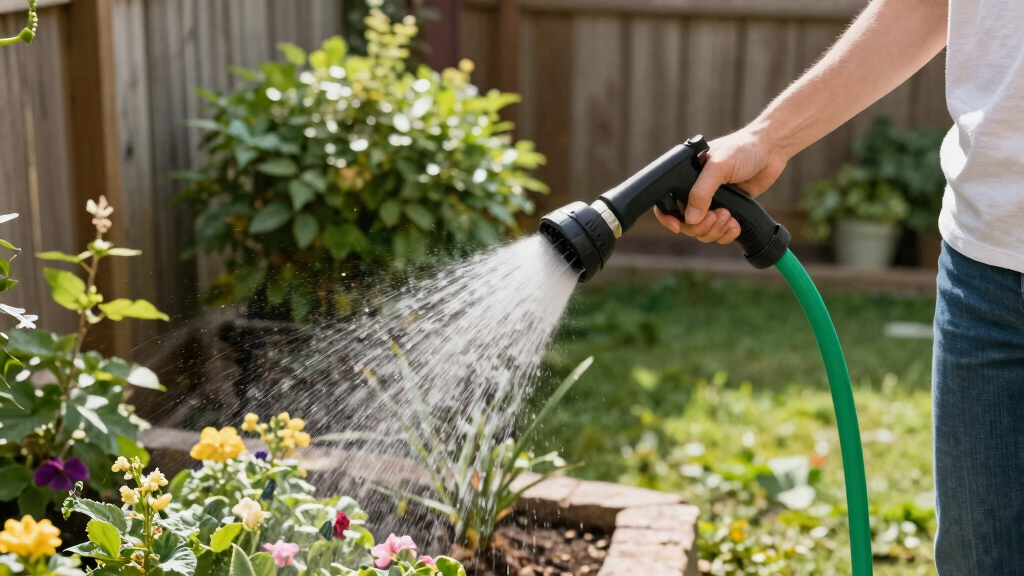
Anglian Water, one of the largest suppliers in eastern England, confirmed on March 15, 2024, that it has imposed a hosepipe ban effective immediately, restricting the use of hosepipes for watering gardens, washing cars, and other non-essential activities. Similar restrictions have been announced by Affinity Water, South West Water, and other regional providers, covering areas with the most severe drought impacts.
These bans are part of emergency measures to prevent further depletion of water supplies, as reservoirs in many regions have fallen below 50% of their capacity. Officials from the Environment Agency have warned that if dry conditions persist, further restrictions and water-saving measures may be necessary.
Authorities emphasize that the bans are legally enforceable, with penalties for violations, including fines. They also urge residents to follow water-saving advice, such as using buckets instead of hoses and avoiding unnecessary water use.
Impacts of Hosepipe Bans on UK Water Conservation Efforts
The imposition of hosepipe bans highlights the growing pressure on UK water resources due to prolonged dry weather, climate change, and increased demand. These restrictions aim to prevent reservoirs from reaching critically low levels, which could threaten water security and supply stability. For residents, the bans serve as a reminder to adopt more sustainable water habits, while for authorities, they represent a necessary step to manage drought conditions proactively.
As an affiliate, we earn on qualifying purchases.
Recent Drought Trends and Water Supply Challenges in the UK
Over the past six months, parts of the UK have experienced below-average rainfall, leading to significant drops in reservoir levels. The Environment Agency has classified several regions as experiencing drought conditions, prompting water companies to implement restrictions. Historically, hosepipe bans are enacted during periods of prolonged dry weather to conserve water and prevent shortages.
Previous bans in 2018 and 2022 resulted in similar measures, but the current situation is considered more severe due to the extended duration of dry conditions and the cumulative impact on water sources. Experts warn that climate change may increase the frequency and intensity of such droughts in the future.
Officials from the water industry state that these measures are temporary and will be lifted once rainfall replenishes reservoirs, but they caution that dry conditions could persist into the summer months.
“We have no choice but to introduce hosepipe bans to protect our water supplies during this critical period. We urge residents to comply and use water responsibly.”
— Anglian Water spokesperson
Unclear Duration and Scope of Future Restrictions
It is not yet clear how long the current hosepipe bans will remain in place, as they depend on weather conditions and reservoir recovery. Authorities have not specified whether further restrictions will be introduced or how they will be phased out once conditions improve. The potential for additional measures remains a concern for residents and businesses.
Monitoring Weather Patterns and Reservoir Levels for Future Decisions
Water companies and the Environment Agency will continue to monitor rainfall, reservoir levels, and drought severity. Authorities have indicated that restrictions could be eased if significant rainfall occurs, but further dry spells might lead to extended bans or additional restrictions. Public cooperation and water conservation efforts will remain critical in the coming months.
Key Questions
How long will the hosepipe bans last?
The duration depends on weather conditions and reservoir recovery. Authorities have not specified an exact timeline but have indicated bans will remain until conditions improve.
Are there any penalties for violating the bans?
Yes, violations of hosepipe bans are legally enforceable, with potential fines and other penalties as specified by regional regulations.
Which areas are affected by the current bans?
Regions including eastern England, parts of southern England, and specific areas served by Anglian Water, Affinity Water, and South West Water are affected.
Can I still water my garden with a hose if I have a water meter?
No, hosepipe bans generally prohibit all non-essential water use, including garden watering with hoses, regardless of water meter status.
What can residents do to help conserve water?
Residents are encouraged to use buckets instead of hoses, fix leaks promptly, and avoid unnecessary water use to help manage supplies during dry periods.
Source: google-trends
Fall Picks
fall essentials
As an affiliate, we earn on qualifying purchases.