
When you think about hollow chisel mortisers for furniture work, focus on their precision and versatility. These tools help create strong, seamless joints essential for durable furniture. You’ll want to experiment with speed and chisel sizes to achieve clean cuts tailored to your project. Regular maintenance, like sharpening and lubrication, keeps your mortiser in top shape. By enhancing your skills and understanding the techniques, you’ll elevate your joinery game—there’s more to discover to perfect your craft.

Get business pricing on tools and workshop supplies
- Business-only prices and quantity discounts
- Tax-exempt purchasing
- Multiple users, one account, clear invoices
Key Takeaways
- Consider using hollow chisel mortisers for precise, clean mortises essential in furniture joinery, enhancing the strength and aesthetics of your projects.
- Experiment with various chisel sizes and machine speeds to achieve optimal results tailored to your specific furniture designs.
- Ensure the workpiece is securely clamped to maintain stability, preventing movement that could compromise the accuracy of your cuts.
- Regular maintenance, including sharpening chisels and lubricating moving parts, is crucial for achieving consistent performance and prolonging tool lifespan.
- Prioritize safety by wearing protective gear and familiarizing yourself with the machine’s functions to prevent accidents during operation.
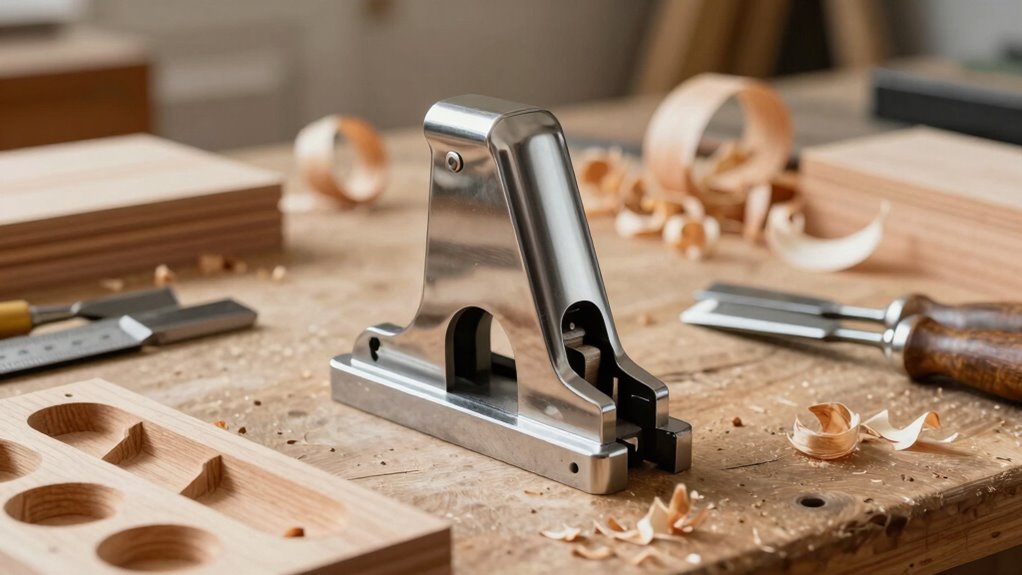
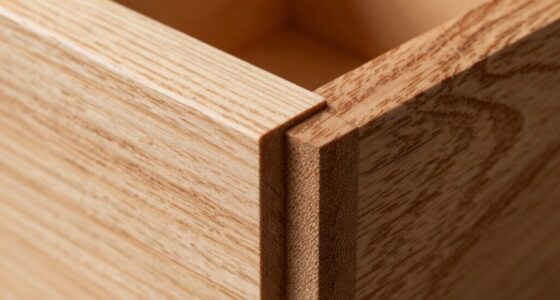
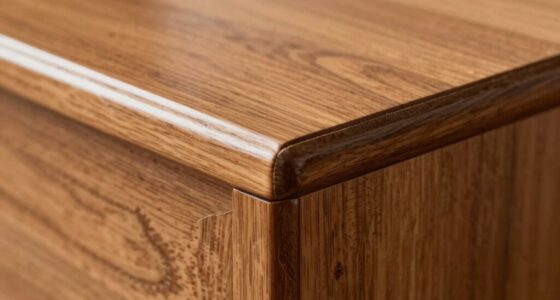
When it comes to creating strong, precise joints in furniture, hollow chisel mortisers stand out as fundamental tools. You might be wondering how to think about using these machines effectively in your woodworking projects. To get started, it’s essential to understand the mortising techniques that can maximize the potential of your mortiser. These tools allow you to create clean, square mortises that are crucial for joinery, whether you’re working on doors, frames, or other components.
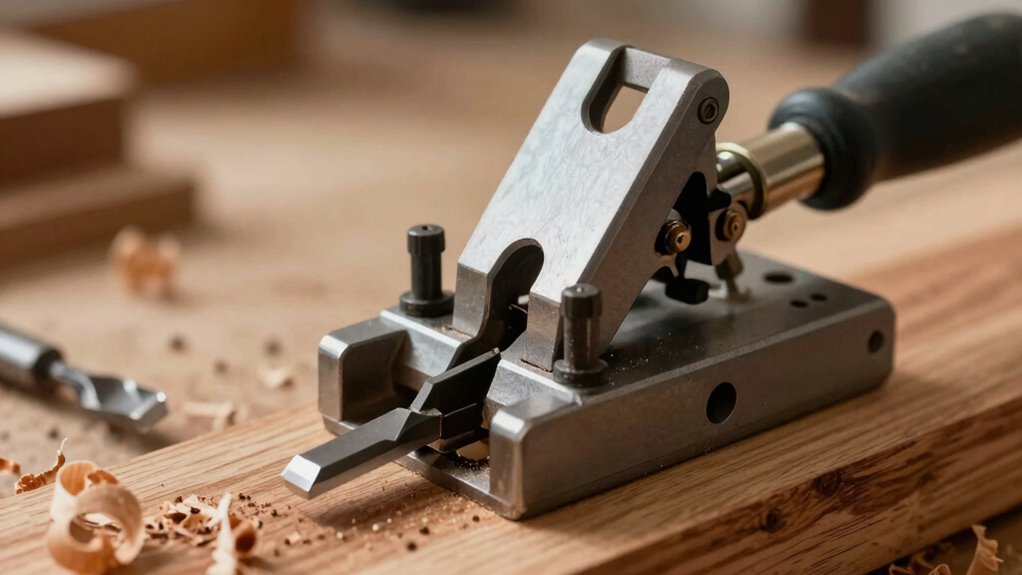
First, familiarize yourself with the different types of mortising techniques. A hollow chisel mortiser operates by using a chisel that simultaneously drills and chisels out the mortise. You’ll want to adjust the depth and width according to your specific project needs. Practicing on scrap wood can help you hone your skills. It’s important to set the workpiece securely in the machine, making sure that it doesn’t move during operation. This step will help you achieve consistent results every time. Proper machine setup is essential for optimal performance and safety.
Familiarize yourself with mortising techniques and practice on scrap wood for consistent, precise results. Secure your workpiece to enhance accuracy.
Next, consider the speed of your machine and the type of bit you’re using. A slower speed often yields cleaner cuts, so don’t rush the process. Experimenting with various speeds and settings can help you find what works best for the materials you’re using. You might also want to use different chisel sizes for various joint types. Remember, a well-chosen chisel will make your mortising tasks considerably easier. Additionally, understanding the mortising techniques that are most effective can significantly improve your craftsmanship. Knowing the proper tool maintenance practices can make a noticeable difference in your work’s quality and efficiency.
Tool maintenance is another key aspect of working with hollow chisel mortisers. Keeping your tools in excellent condition will not only improve performance but also extend their lifespan. Regularly inspect the chisels for dullness or damage, and sharpen them as needed. A sharp chisel will cut through wood cleanly, reducing tear-out and guaranteeing precise mortises. Don’t overlook lubrication; applying proper oil to moving parts can prevent wear and maintain smooth operation. Furthermore, maintaining a clean and dust-free workspace can help prevent debris from affecting the machine’s operation and longevity.
Lastly, think about safety. Always wear appropriate eye and ear protection when operating power tools. Confirm your workspace is clean and free of hazards to minimize the risk of accidents. Familiarizing yourself with the machine’s functions and practicing safe techniques will make your experience much more enjoyable and productive.
hollow chisel mortiser for woodworking
As an affiliate, we earn on qualifying purchases.
As an affiliate, we earn on qualifying purchases.
Frequently Asked Questions
What Is the History of Hollow Chisel Mortisers?
The history of hollow chisel mortisers traces back to the evolution of mortisers in woodworking. Initially, craftsmen used basic chisels, but advancements in chisel design led to the development of hollow chisel mortisers in the 19th century. These tools allowed for more precise and efficient mortising, revolutionizing furniture making. As you explore their history, you’ll appreciate how these innovations transformed woodworking techniques, making it easier for you to create strong, durable joints.
Are There Alternatives to Hollow Chisel Mortisers?
Yes, there are great alternatives to hollow chisel mortisers. You can use routers with mortising jigs to create precise mortises quickly. Chisel techniques, like using a chisel and mallet, offer a hands-on approach for smaller projects. If you prefer flexibility, consider a plunge router with a straight bit. Each method has its benefits, so choose the one that best fits your skill level and project requirements.
How Do I Maintain a Hollow Chisel Mortiser?
Think of your hollow chisel mortiser like a trusty lightsaber; it needs some care to keep cutting smoothly. Start with chisel sharpening—regularly hone those edges for precision. Clean the machine after each use to prevent buildup, and check for any loose bolts. Lubricate moving parts to guarantee smooth operation. Finally, always store it in a dry place to avoid rust. These maintenance tips will keep your tool in top shape!
Can Hollow Chisel Mortisers Be Used for Non-Furniture Projects?
Absolutely, hollow chisel mortisers can be used for non-furniture applications! Their woodworking versatility makes them ideal for various projects, like cabinetry, doors, or even decorative items. You can create strong joints in different materials, enhancing your overall craftsmanship. Just make sure to adjust your technique based on the specific project requirements. By exploring these non-furniture applications, you’ll discover new ways to leverage your mortiser’s capabilities and expand your woodworking skills!
What Safety Precautions Should I Take When Using One?
When using a hollow chisel mortiser, always wear safety goggles and a dust mask to protect yourself from debris and dust collection. Keep your workspace clean to reduce hazards. Regularly check chisel sharpening, as dull chisels can cause kickback and accidents. Secure your workpiece firmly to prevent movement during cutting. Finally, never bypass safety features; they’re there to keep you safe. Stay focused and take your time for the best results.
Conclusion
In the world of furniture making, a hollow chisel mortiser can be your best friend, cutting down on time and effort. With its precision, you’ll find yourself crafting joints that fit together like a hand in a glove. Don’t hesitate to invest in one; it’ll pay dividends in your projects. Remember, a well-made joint is the backbone of quality furniture, so take the plunge and let this tool elevate your craftsmanship to new heights!
Halloween Picks
halloween
As an affiliate, we earn on qualifying purchases.