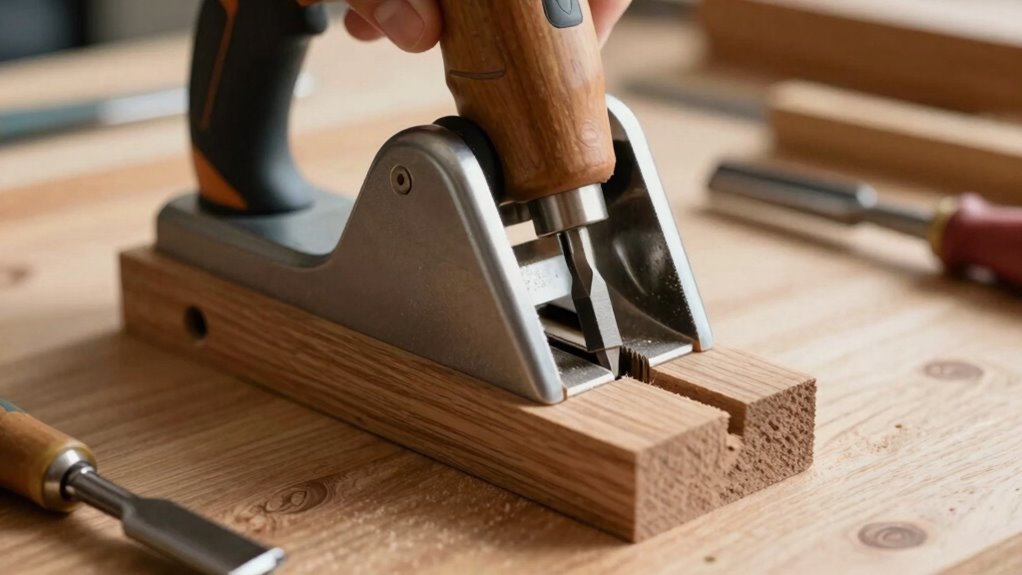

Mortisers make complex joinery feel less intimidating by simplifying the mortise creation process. With these tools, you can achieve uniform holes effortlessly, ensuring clean and precise joints. This consistency boosts your confidence, allowing you to tackle intricate designs without worry. Plus, the strong connections they create enhance durability, letting you focus on the project’s overall quality. If you’re interested in exploring how mortisers can elevate your woodworking skills even further, there’s much more to discover.

Get business pricing on tools and workshop supplies
- Business-only prices and quantity discounts
- Tax-exempt purchasing
- Multiple users, one account, clear invoices
Key Takeaways
- Mortisers simplify the mortise-making process, reducing complexity in joinery techniques like mortise and tenon.
- They ensure consistent, uniform holes, eliminating the fear of uneven cuts in critical joints.
- Using a mortiser boosts confidence, allowing woodworkers to tackle intricate projects with ease.
- Precise mortises enhance joint reliability, alleviating concerns about durability and structural integrity.
- Streamlined workflows with mortisers encourage creativity, allowing focus on design rather than technical challenges.
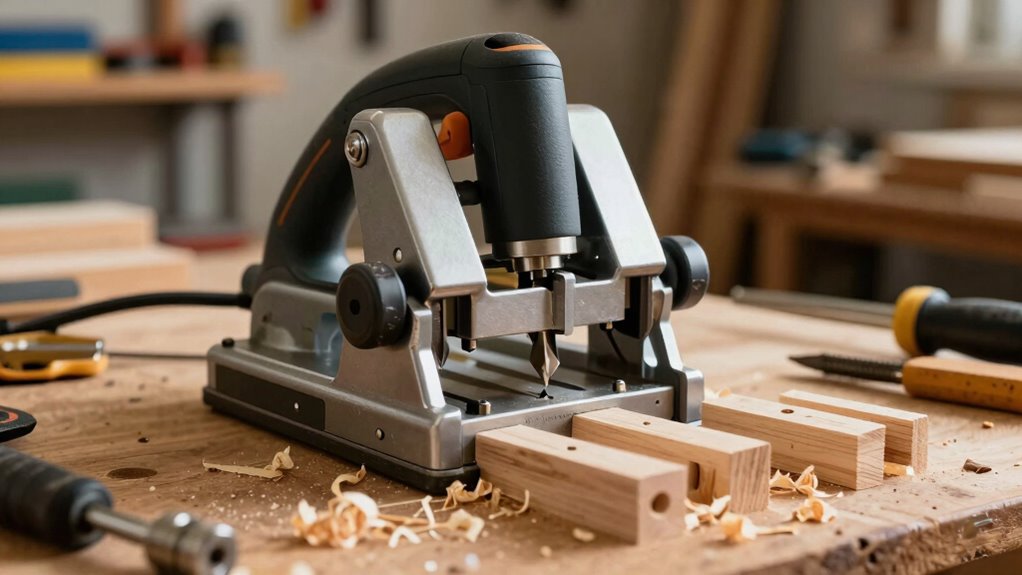
Mortisers and joinery play an essential role in woodworking, transforming simple pieces of timber into sturdy, functional structures. If you’ve ever felt daunted by the idea of joinery, you’re not alone. Many woodworkers worry about achieving clean, precise joints. This is where a mortiser comes in. With its ability to create consistent, accurate mortises, a mortiser can make various joinery techniques feel far less intimidating.
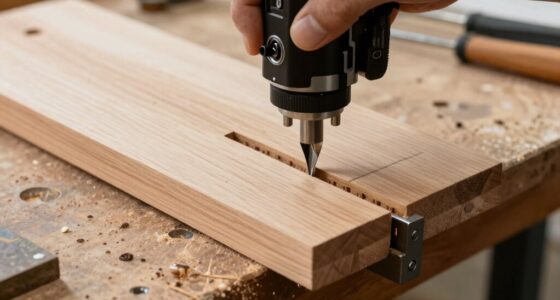
You’ve probably heard about the benefits of using a mortiser. For starters, it simplifies the process of making mortises, which are vital for joints like mortise and tenon. Instead of relying on manual methods that can lead to uneven cuts, a mortiser allows you to achieve uniform holes every time. This level of consistency is especially helpful when you’re working on larger projects or multiple pieces that need to fit together seamlessly. You’ll find that having a mortiser in your toolkit can boost your confidence, enabling you to tackle more complex joinery techniques without second-guessing yourself. Understanding precision in woodworking can help you appreciate the importance of accurate mortising.
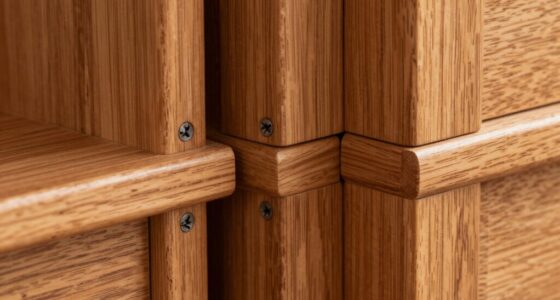
As you explore different joinery techniques, you’ll notice that mortisers can be particularly beneficial for creating strong, reliable connections. Whether you’re constructing furniture or building cabinets, knowing that your mortises are precise takes a load off your shoulders. You can focus on other aspects of your project, like design and finish, rather than worrying about whether your joints will hold up over time. Using a mortiser can also help you develop a more professional finish, elevating the quality of your projects. Additionally, understanding joinery techniques can help you make better use of your mortiser and improve your overall woodworking skills. Incorporating the right tools into your workflow can also help you develop a more efficient process, making your projects more enjoyable and less time-consuming.
electric mortiser for woodworking
As an affiliate, we earn on qualifying purchases.
As an affiliate, we earn on qualifying purchases.
Frequently Asked Questions
What Types of Wood Are Best for Mortising?
When you’re choosing wood for mortising, hardwood choices like oak, maple, and cherry work best due to their durability and strength. They hold up well against the stresses of joinery. Softwood suitability, such as pine or fir, can also be an option, especially for less demanding projects. Just keep in mind that softwoods can be easier to work with but might not provide the same strength as hardwoods for critical joints.
How Do I Maintain My Mortiser?
Keeping your mortiser running like a dream requires a bit of care. Start with regular cleaning to prevent dust build-up, which can turn your machine into a stubborn beast. Lubricate moving parts to avoid common mortiser issues like binding or squeaking. Check the chisel for sharpness; a dull chisel can ruin your cuts. Finally, keep the alignment perfect by adjusting the table as needed. Follow these mortiser maintenance tips, and you’ll be golden!
Can I Use a Mortiser for Other Tasks?
Yes, you can definitely use a mortiser for other tasks! Its versatility extends beyond just creating mortises. You can use it for cutting dovetails, making tenons, or even hollowing out wood for decorative purposes. With a few adjustments, you can explore alternative uses that enhance your woodworking projects. Experimenting with different techniques will help you discover even more ways to maximize your mortiser’s capabilities and improve your skills.
What Safety Gear Should I Wear While Mortising?
When you’re mortising, you’ll look like a superhero in your safety gear! Don’t forget those safety goggles to protect your eyes from flying debris; you wouldn’t want to lose your “vision” of greatness. Hearing protection’s a must too, unless you enjoy the sweet sound of power tools at high volume. A dust mask keeps the wood particles from becoming your new best friends, and work gloves? They’re your armor against splinters. Stay safe!
How Much Should I Invest in a Quality Mortiser?
You should consider investing between $300 to $1,500 in a quality mortiser, depending on the type you choose. A benchtop model might be more affordable, while a floor model offers greater durability and capacity. The investment benefits include increased precision and speed in your joinery projects, making it easier to achieve professional results. Ultimately, the right mortiser type for your needs will enhance your woodworking experience and save you time in the long run.
Conclusion
In the world of woodworking, mortisers transform intimidating joinery tasks into manageable ones. With their precision and ease of use, they take the intimidation factor out of creating strong, beautiful connections. Just like a trusty sidekick in a superhero movie, a mortiser empowers you to tackle projects you once thought were beyond reach. So, grab your tools and plunge into—your woodworking adventures await, and you’ll be surprised at what you can create!
Halloween Picks
halloween
As an affiliate, we earn on qualifying purchases.