To prevent cumulative errors, you should develop the habit of maintaining consistent cabinet box measurements, style, size, and layout throughout your project. This uniformity simplifies installation, guarantees proper fit, and reduces mismatched components. By following a standard design routine, you minimize mistakes from poorly fitting parts and avoid costly repairs later. Staying disciplined with these standards helps create a reliable, organized system. Keep this in mind to keep your cabinetry project on track and get closer to flawless results.

Get business pricing on tools and workshop supplies
- Business-only prices and quantity discounts
- Tax-exempt purchasing
- Multiple users, one account, clear invoices
Key Takeaways
- Maintain uniform design and dimensions across all cabinet boxes to ensure seamless assembly and compatibility.
- Follow a standardized installation process to prevent misalignment and cumulative fitting errors.
- Use consistent material selection for durability, reducing long-term adjustments or repairs.
- Implement regular inspection and maintenance routines to catch and correct issues early.
- Adhere to quality standards and guidelines to ensure components fit properly and prevent error buildup.
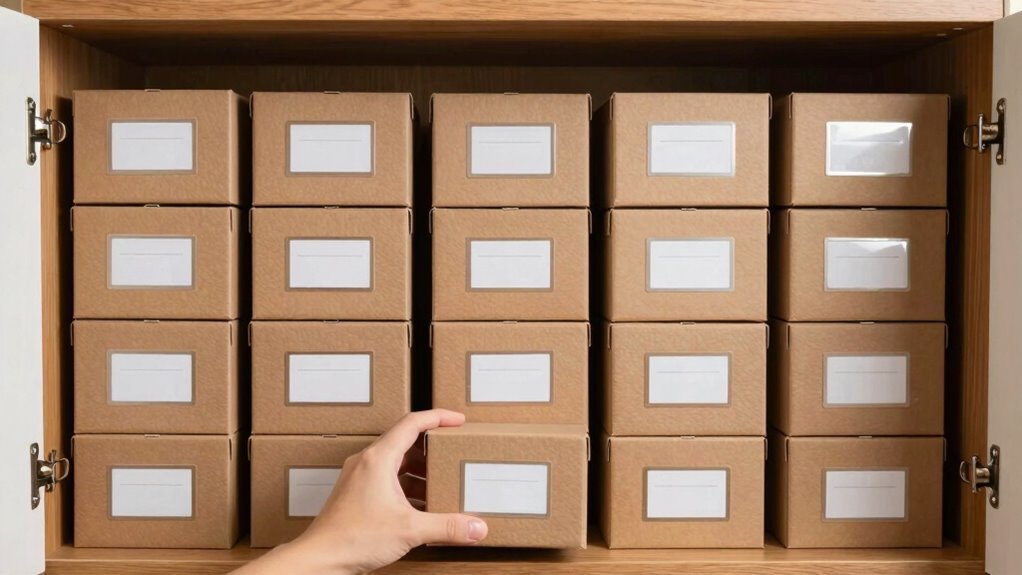
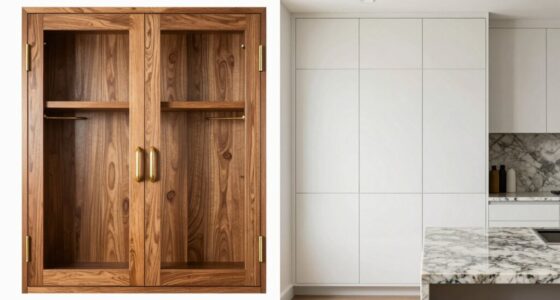
Have you ever struggled to keep your kitchen organized, only to find clutter piling up in the cabinet box? The key to preventing this chaos lies in adopting a simple but effective habit—focusing on the design consistency and material selection of your cabinet boxes. When you pay attention to these details, you create a system that’s predictable and easy to maintain, reducing the chances of errors stacking up over time. Using proper cleaning and sterilization techniques helps ensure your cabinets and accessories stay safe and hygienic, further supporting an organized space. Design consistency plays an essential role. When your cabinet boxes follow a uniform style, size, and layout, you simplify your organization process. You’ll find it easier to locate items because each cabinet follows the same pattern. This consistency also makes it easier to install new shelves or add accessories, as you don’t have to rethink your approach each time. Instead, you develop a routine that becomes second nature, reducing the risk of mismatched or poorly fitting components that can lead to clutter and confusion. Incorporating material durability into your planning further enhances the longevity and functionality of your cabinets. Material selection is equally important. Choosing the right materials for your cabinet boxes ensures durability and ease of maintenance. Opt for sturdy, moisture-resistant materials like MDF or plywood with a smooth finish, which resist warping and damage over time. When your materials are reliable, you’re less likely to encounter issues like sagging shelves or broken drawers, which can cause disorder. Additionally, selecting materials that are easy to clean helps you stay on top of cleanliness, preventing dirt and grime from accumulating in hard-to-reach corners. Paying attention to material properties can significantly extend the lifespan of your cabinetry. Understanding the manufacturing standards for cabinet materials can help you select products that meet safety and quality benchmarks. Incorporating consistent design and thoughtful material choices not only creates a harmonious look but also streamlines your maintenance routines. By combining consistent design and thoughtful material choices, you establish a habit that minimizes mistakes before they happen. When your cabinets are built with uniform dimensions and high-quality materials, you can plan your organization around a predictable structure. This reduces the tendency to cram in mismatched containers or cluttered supplies, which often results from inconsistent or flimsy cabinetry. Over time, this habit transforms your kitchen into a well-organized space where everything has its place, and errors in storage are less likely to occur. Ultimately, sticking to this habit doesn’t require constant adjustments or repairs. You create a system that’s reliable, with cabinets that look uniform and function smoothly. The combined effect of design consistency and careful material selection makes your cabinet box a foundation for long-term organization, preventing the buildup of errors and clutter. With this approach, you won’t just keep your kitchen tidy—you’ll maintain it effortlessly, turning a once overwhelming space into a functional and inviting area.
kitchen cabinet box measurement tools
As an affiliate, we earn on qualifying purchases.
As an affiliate, we earn on qualifying purchases.
Frequently Asked Questions
How Long Does It Take to Establish the Cabinet Box Habit?
It typically takes about 21 to 30 days to establish the cabinet box habit, but this varies based on your habit consistency and commitment. As you practice regularly, you’ll develop the necessary skill development to make it automatic. Stay patient and persistent, and over time, this habit will become second nature. Consistent effort is key to solidifying the habit and preventing cumulative errors in your process.
Can This Habit Be Adapted for Different Cabinet Types?
Yes, you can adapt this habit for different cabinet types by focusing on cabinet customization and material compatibility. When working with various materials, adjust your approach to guarantee proper installation and alignment. For example, lightweight materials may need different fasteners, while custom cabinets might require specific measurements. By staying flexible and mindful of these factors, you’ll prevent errors across diverse cabinet styles, making your process more efficient and consistent.
What Tools Are Recommended to Support This Habit?
You should use clear labels and effective labeling techniques to support this habit, ensuring you can quickly identify and access storage solutions. Incorporate tools like label makers, color-coded labels, and organized storage bins to streamline the process. These tools help maintain consistency, reduce errors, and keep everything in its right place, ultimately preventing cumulative mistakes over time. Proper labeling and storage solutions make cabinet organization more efficient and reliable.
Are There Common Mistakes When Implementing the Habit?
You might think implementing this habit is straightforward, but misstep pitfalls often stem from technique misconceptions. Common mistakes include neglecting consistent box checks or rushing through the process, which can lead to overlooked errors. To avoid these, guarantee you genuinely understand each step and stay disciplined. Don’t assume shortcuts or skipping steps won’t cause issues; instead, focus on thoroughness and routine to prevent cumulative errors effectively.
How Does This Habit Impact Overall Cabinet Organization?
This habit greatly improves your cabinet organization by encouraging you to incorporate decorative accents and optimize storage. When you maintain consistent organization, you make it easier to find items quickly, reducing clutter. Decorative accents add a personal touch, while storage optimization ensures space is used efficiently. Overall, this habit keeps your cabinets tidy, visually appealing, and functional, making everyday use more convenient and enjoyable.
Conclusion
By adopting the cabinet box habit, you can considerably reduce cumulative errors in your projects. Did you know that small mistakes in assembly can add up to a 15% decrease in overall accuracy? Staying consistent with this simple habit guarantees precision and saves you time and frustration. Keep practicing, and you’ll see how this small change makes a big difference in your craftsmanship. Don’t underestimate the power of good habits—your future self will thank you!
Halloween Picks
halloween
As an affiliate, we earn on qualifying purchases.