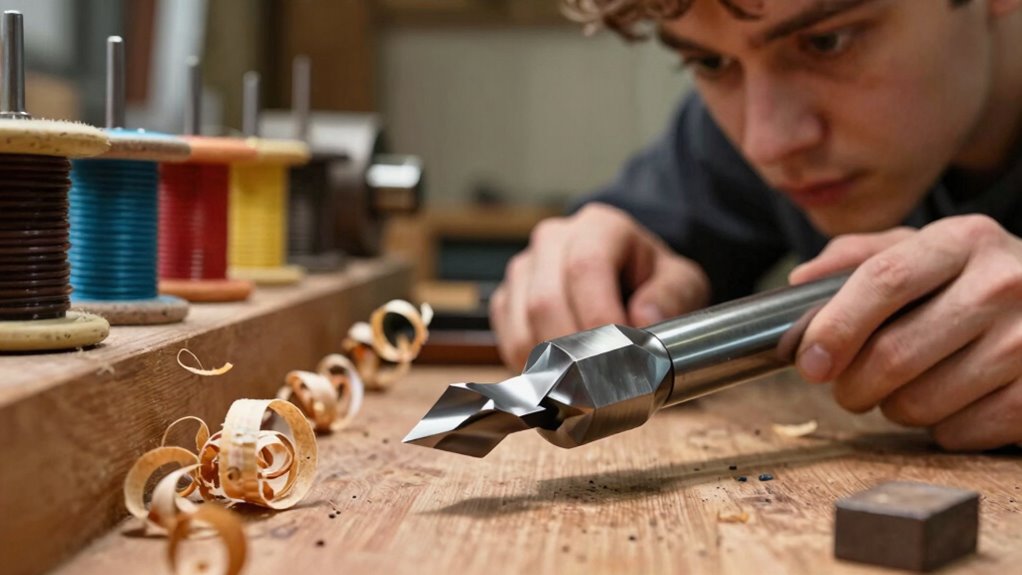

Carbide turning tools change the learning curve by making woodworking easier and more efficient for you. They stay sharp longer, so you spend less time sharpening and more time honing your skills. You can tackle intricate designs and smooth finishes with confidence, enhancing your projects. These tools’re versatile, adapting to various materials and styles, helping you expand your craftsmanship. If you’re curious about how they transform your woodworking journey, there’s plenty more to explore.

Get business pricing on tools and workshop supplies
- Business-only prices and quantity discounts
- Tax-exempt purchasing
- Multiple users, one account, clear invoices
Key Takeaways
- Carbide turning tools maintain sharpness longer, reducing the frequency of sharpening and allowing beginners to focus on skills rather than maintenance.
- Their precision enables new woodworkers to achieve fine details and smooth finishes more easily, boosting confidence early in the learning process.
- With a user-friendly design, carbide tools simplify handling, making them accessible for novices tackling various woodworking projects.
- Available training resources, such as tutorials and workshops, facilitate quicker integration of carbide tools into a woodworker’s routine.
- Overall, carbide tools transform the learning curve by promoting efficiency, skill development, and a more enjoyable woodworking experience.
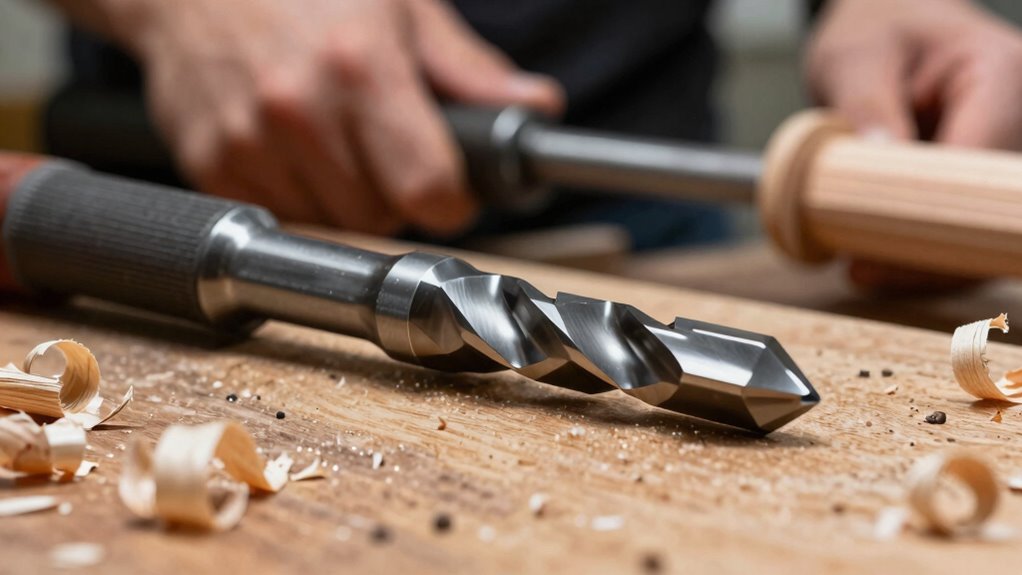
As you immerse yourself in the world of woodworking, you’ll quickly discover that carbide turning tools can considerably shorten your learning curve. These tools offer numerous advantages that can transform your user experience, making the process more enjoyable and efficient. One of the standout features of carbide turning tools is their ability to maintain sharpness longer than traditional steel tools. This means less time spent on sharpening and more time honing your skills. With reduced interruptions, you can focus on skill development and explore advanced techniques sooner.
Carbide turning tools shorten your learning curve, allowing you to focus on honing skills rather than sharpening.
The precision machining capabilities of carbide tools are another game changer. They allow you to achieve fine details and smooth finishes with ease, which is essential for both novice and experienced woodworkers. You won’t have to wrestle with your materials as much, leading to improved material efficiency. By maximizing the use of your wood, you minimize waste while achieving stunning results. This aspect not only enhances your projects but also contributes to your overall cost effectiveness. Additionally, understanding tool performance is essential for making informed decisions and maximizing the benefits of carbide technology. Developing a good grasp of cutting edge technology can further optimize your workflow and results. Moreover, staying informed about material compatibility can help you select the right tools for different projects, ensuring optimal outcomes. Gaining knowledge about tool maintenance can also extend the lifespan of your carbide tools and keep them performing at their best.
In addition to these immediate benefits, carbide turning tools also offer remarkable application versatility. Whether you’re working on intricate designs or straightforward projects, these tools adapt effortlessly to a wide range of tasks. You’ll find that they can handle various materials, from softwoods to hardwoods, which helps you expand your repertoire and confidence. As you experiment with different types of wood, you’ll be amazed at how carbide tools can elevate your craftsmanship.
Training techniques also come into play when using carbide tools. Many resources are available that teach you how to use these tools effectively, making it easier to integrate them into your workflow. You’ll likely find tutorials, workshops, and online courses focusing on their use, which can considerably enhance your learning experience. This access to quality training materials encourages you to push your boundaries and develop new skills.
Ultimately, embracing carbide turning tools isn’t just about improving your projects; it’s about transforming how you approach woodworking. By investing in these tools, you’re not only enhancing your efficiency and precision but also paving the way for a more fulfilling creative journey. As you refine your techniques and complete projects with greater ease, you’ll appreciate how carbide tools have reshaped your woodworking experience and accelerated your growth.
As an affiliate, we earn on qualifying purchases.
Frequently Asked Questions
What Materials Can Carbide Turning Tools Be Used On?
Carbide turning tools can be used on a variety of materials, including metals like aluminum, brass, and steel, as well as plastics and wood. Their material compatibility makes them versatile for different projects. You’ll appreciate their tool durability, which allows for longer cutting times without frequent replacements. Whether you’re working on intricate designs or heavy-duty tasks, carbide tools can handle it all, providing you with efficient and reliable performance.
How Do Carbide Tools Compare to High-Speed Steel Tools?
When you compare carbide tools to high-speed steel tools, you’ll notice significant performance differences. Carbide tools offer superior durability and maintain sharpness longer, which means fewer tool changes. You’ll find that while they may have a higher upfront cost, their longevity and efficiency make them more cost-effective in the long run. Just imagine how much time and money you could save by choosing carbide for your projects—it could really change everything.
What Safety Precautions Should I Take When Using Carbide Tools?
When using carbide tools, prioritize safety by practicing proper handling and tool maintenance. Always wear safety goggles and a dust mask to protect yourself from debris. Make certain your workspace is clean and well-lit, and always secure your workpiece firmly. Keep your hands clear of the cutting area, and never attempt to catch a falling tool. Regularly inspect your tools for damage and replace them as needed to maintain safety and efficiency.
How Often Should Carbide Turning Tools Be Sharpened or Replaced?
You should sharpen carbide turning tools every 10 to 20 hours of use, depending on the material and your cutting style. Keep an eye out for replacement indicators, like chipping or dull edges, which signal it’s time for a new tool. Regular maintenance not only improves performance but also guarantees safety and precision in your work. Staying proactive about sharpening and replacing will enhance your overall turning experience.
Are There Specific Brands of Carbide Tools Recommended for Beginners?
Absolutely, there are several carbide tool brands perfect for beginners. You might want to check out brands like Easy Wood Tools and Robert Sorby, known for their user-friendly designs. They offer solid beginner tooltips, making it easier for you to get started. Don’t forget to read reviews and consider your specific needs, like the types of projects you want to tackle. Investing in quality tools will make your learning experience smoother and more enjoyable.
Conclusion
In mastering the art of turning, carbide tools act like a compass, guiding you through the twists and turns of your learning journey. They not only boost your confidence but also sharpen your skills at an impressive pace. With each cut, you’ll find that you’re not just creating shapes but crafting your expertise. So, embrace these tools, and watch how they transform your experience, making the once-daunting path of learning feel like a smooth, winding road.
Fall Picks
fall essentials
As an affiliate, we earn on qualifying purchases.