
TL;DR

Get business pricing on tools and workshop supplies
- Business-only prices and quantity discounts
- Tax-exempt purchasing
- Multiple users, one account, clear invoices
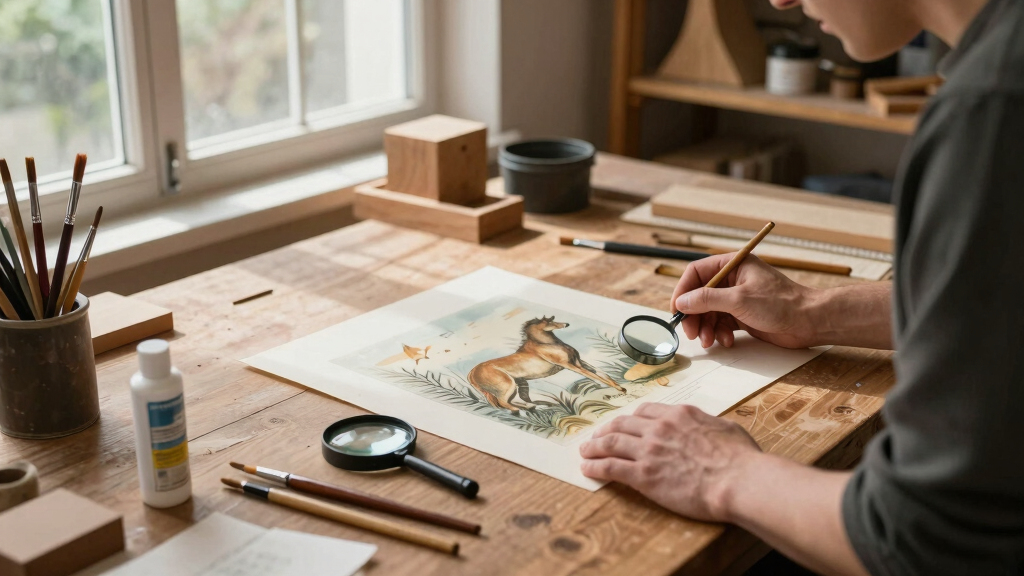
A collection of 1,300 detailed wildlife illustrations from the 19th century has been restored and made publicly available. The project aims to preserve historical biodiversity art and enhance educational resources.
Over 1,300 detailed wildlife illustrations from the 19th century have been fully restored and are now available to the public through an online digital archive. The project, led by a team of conservators and digital archivists, aims to preserve and showcase historical biodiversity art, offering new opportunities for research and education.
The collection includes illustrations created by renowned naturalists and artists of the 1800s, depicting various species of animals, birds, and insects with high artistic and scientific accuracy. The restoration process involved advanced digital techniques to repair damages caused by age, such as fading, tears, and discoloration, ensuring the images are now clear and detailed.
According to the project coordinators, the images are now accessible through a dedicated online platform, allowing researchers, educators, and the public to explore the artwork in high resolution. The initiative was supported by a combination of public grants and private donations, emphasizing the cultural and educational importance of these historical illustrations.
Why Restoring 19th-Century Wildlife Art Matters
This restoration project preserves a vital visual record of biodiversity from the 1800s, providing valuable insights into species that may have since changed or become extinct. It also enhances educational resources, allowing students and researchers to study historical perspectives on wildlife and natural history. Furthermore, the high-quality digital access democratizes the availability of these artworks, making them accessible worldwide without physical handling of fragile originals.
vintage wildlife illustration prints
As an affiliate, we earn on qualifying purchases.
As an affiliate, we earn on qualifying purchases.
Historical and Scientific Importance of the Illustrations
The 19th century was a pivotal period for natural history, with explorers and scientists documenting species across the globe. Many of these illustrations were created by notable figures like John James Audubon and other naturalists, combining artistic skill with scientific precision. Over time, many original works suffered deterioration, limiting their availability. The recent restoration effort aims to revive and preserve this cultural heritage, which is increasingly recognized as a valuable scientific resource.
“The restoration process has brought these illustrations back to life, revealing details that were previously obscured by age and damage.”
— Dr. Emily Carter, Lead Conservator
Remaining Questions About the Restoration Project
It is not yet clear how many of the original illustrations were damaged beyond repair or how the digital restoration process handled specific cases. Details about future expansions of the collection or plans for physical exhibitions are still developing. Additionally, the long-term preservation strategy for these digital images has not been fully disclosed.
Next Steps in Making the Collection More Accessible
The project team plans to expand the online archive with additional related materials, including handwritten notes and sketches from the original artists. They also intend to collaborate with educational institutions to incorporate these images into curricula. Further efforts may include physical exhibitions or partnerships with museums to display select works.
Key Questions
Are the original illustrations available for viewing?
Access is currently through a high-resolution digital archive online. Original physical works remain housed in protected collections and are not publicly displayed at this time.
Who led the restoration effort?
The project was coordinated by a team of conservators and digital archivists, supported by public grants and private donors.
Can the public access these illustrations for free?
Yes, the digital archive is publicly accessible without charge, promoting widespread educational use.
Will there be physical exhibitions of these illustrations?
Plans are under consideration, but no specific exhibitions have been announced yet.
How were damages to the illustrations repaired?
Advanced digital techniques, including image editing and enhancement, were used to repair tears, fading, and discoloration, restoring the images’ clarity and detail.
Source: hn
Fall yard work Picks
leaf blowers
As an affiliate, we earn on qualifying purchases.


![There Will Come Soft Rains (1950) [Pdf]](https://woodnbits.com/wp-content/uploads/2026/08/there-will-come-soft-rains-1950-pdf-featured-560x300.jpg)