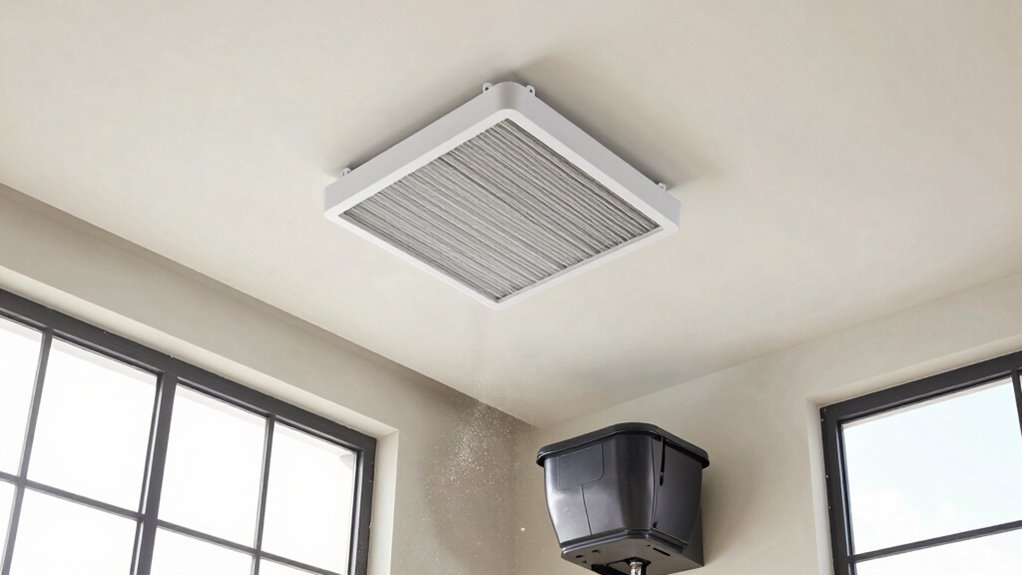

Ceiling air filters and dust collectors tackle different air quality issues. Ceiling filters capture small airborne particles like dust and allergens, improving indoor air in homes and offices. In contrast, dust collectors focus on larger, heavier particles generated in industrial settings, preventing dust from spreading during processes like woodworking. Understanding these differences helps you choose the right system for your needs. Stick around to discover more about how each system works to enhance air quality.

Get business pricing on tools and workshop supplies
- Business-only prices and quantity discounts
- Tax-exempt purchasing
- Multiple users, one account, clear invoices
Key Takeaways
- Ceiling air filters improve indoor air quality by capturing smaller airborne particles, while dust collectors focus on larger, heavier particles in industrial settings.
- Ceiling air filters enhance health by reducing allergens and odors, whereas dust collectors prevent dust dispersion during activities like woodworking.
- The filtration mechanisms differ: ceiling air filters use mesh or HEPA materials, while dust collectors are designed for heavy-duty dust collection.
- Maintenance needs vary; ceiling air filters require regular replacement to maintain efficiency, while dust collectors need cleaning to prevent clogs and ensure functionality.
- Understanding particle size is crucial, as ceiling air filters target fine particles and dust collectors handle coarse, heavy dust generated in industrial processes.
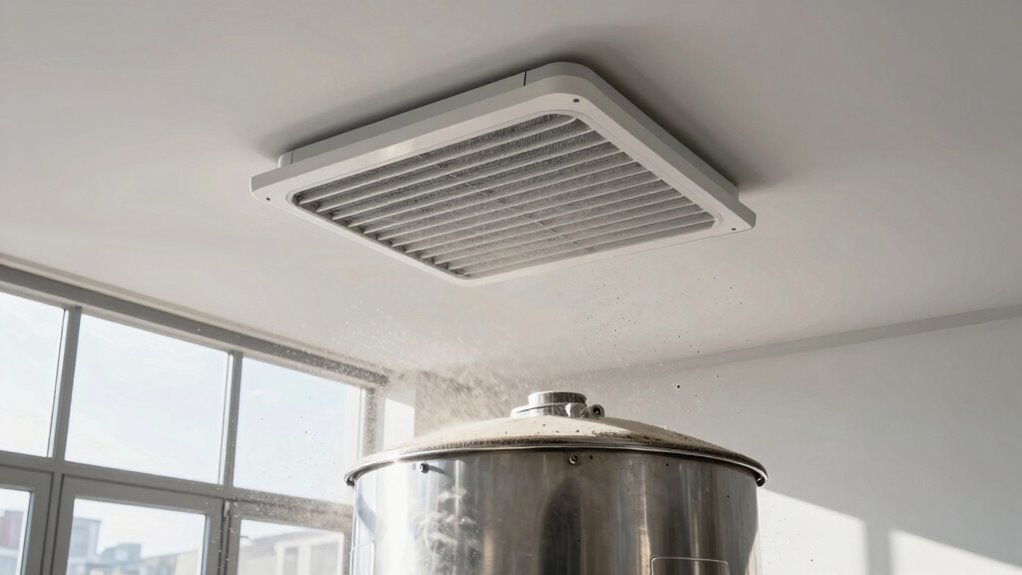
When it comes to maintaining a clean and healthy environment, understanding the difference between ceiling air filters and dust collectors can make all the difference. You might think both serve a similar purpose, but they actually tackle distinct issues, particularly when it comes to air quality and filtration efficiency. Knowing how each one operates can help you choose the right solution for your space.
Ceiling air filters are primarily designed to improve indoor air quality by capturing airborne particles. These filters work by drawing air through a system of mesh or HEPA materials, effectively trapping dust, pollen, and other allergens. If you’ve ever noticed a lingering odor or a build-up of dust in your home or office, ceiling air filters can greatly enhance the air you’re breathing. Their filtration efficiency is essential—higher efficiency filters can catch smaller particles, contributing to a cleaner indoor environment. So, if your goal is to breathe cleaner air, ceiling air filters are your best bet. Additionally, airborne particle size plays a crucial role in determining which filtration system will be most effective for your environment. Understanding filtration mechanisms can further help in selecting the most suitable system for your needs. It’s also important to recognize that the filter maintenance process can impact the overall performance and lifespan of your air filtration system.
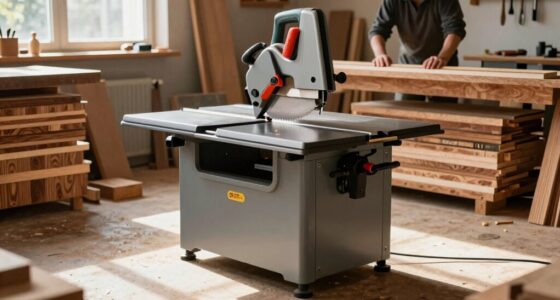
On the other hand, dust collectors are typically used in industrial settings or workshops where large amounts of dust are generated. They’re designed to handle heavier particles that accumulate from processes like woodworking or metalworking. While they can also help improve air quality, their primary function is to collect dust at the source before it disperses into the air. If you’re working in an environment that produces considerable dust, a dust collector can help prevent a build-up that could otherwise lead to respiratory issues or reduced visibility. Properly understanding filtration efficiency can ensure you select the right system for your specific needs.
HEPA ceiling air filter for indoor air purification
As an affiliate, we earn on qualifying purchases.
As an affiliate, we earn on qualifying purchases.
Frequently Asked Questions
How Do Ceiling Air Filters Improve Indoor Air Quality?
Ceiling air filters improve indoor air quality by capturing airborne pollutants effectively. They use various filter types, like HEPA or electrostatic filters, to trap dust, allergens, and other particles. When you install these filters, you reduce the concentration of harmful substances in your environment, making the air cleaner and healthier. This proactive approach can lead to better respiratory health and increased comfort in your space, benefiting everyone who breathes the air.
Can Dust Collectors Be Used in Residential Settings?
Yes, dust collectors can be used in residential settings, especially if you’re dealing with significant residential dust. However, you need to evaluate their size and collector efficiency. A smaller, portable dust collector might suit your needs better than a large industrial model. When you choose the right one, it can effectively reduce dust and improve air quality in your home, making your living space cleaner and more comfortable.
What Maintenance Do Ceiling Air Filters Require?
Ceiling air filters need regular attention, with a filter replacement frequency of every 3 to 6 months to maintain peak efficiency. Did you know that over 50% of indoor air quality issues stem from poor ventilation? To keep your system running smoothly, check filters monthly for dirt buildup and vacuum the surrounding area to prevent dust accumulation. Following these maintenance tips will not only enhance air quality but also prolong the life of your system.
Are Ceiling Air Filters Energy-Efficient?
Yes, ceiling air filters can be energy-efficient. By improving air quality and maintaining ideal airflow, they help reduce energy consumption in HVAC systems. With longer filter lifespans, you won’t need to replace them as often, leading to additional energy savings over time. Regular maintenance guarantees they operate efficiently, maximizing their energy-efficient benefits. Investing in quality ceiling air filters can considerably lower your energy bills while providing a healthier indoor environment.
How Do I Choose the Right Dust Collector for My Space?
When you’re selecting a dust collector, consider the types available: baghouse, cartridge, and cyclone collectors. Start with an air quality assessment to determine your specific needs. You’ll want a system that matches your space’s size and dust type. Don’t forget to evaluate efficiency and maintenance requirements too. By balancing these factors, you’ll guarantee peak performance and a healthier environment, keeping your workspace clean and your air quality pristine.
Conclusion
In the end, it’s ironic how you might think ceiling air filters and dust collectors do the same job—after all, they both tackle dust, right? But while one’s up there, quietly purifying your air, the other’s down below, valiantly trying to catch what you’ve already stirred up. So, before you choose a solution, remember: it’s not just about catching dust; it’s about knowing where it’s coming from and how to keep your space truly clean.
Columbus Day / Indigenous Peoples' Day Picks
long weekend sales
As an affiliate, we earn on qualifying purchases.