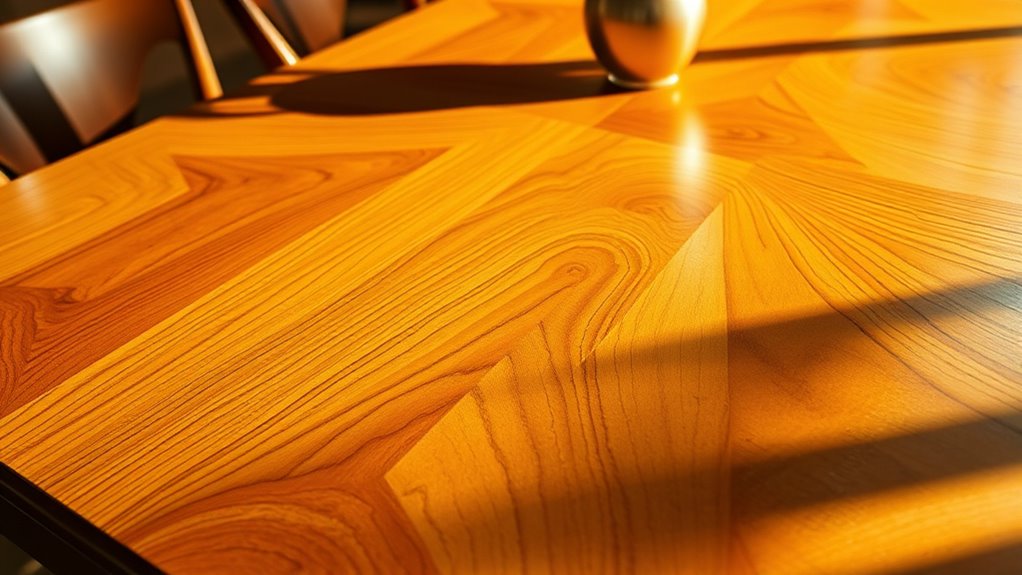

For a durable finish on bare wood, Hope’s 100% Pure Tung Oil is my best overall pick, while Howard Food-Grade Mineral Oil suits cutting boards and Tried & True Original Wood Finish offers a linseed oil and beeswax blend for woodworking projects. The main choice is between a finish that builds protection and a conditioning oil that needs regular reapplication. Food-contact use, drying time, scent, and whether a product cleans or protects also separate these options. Pledge and Howard Orange Oil are aimed more at furniture care than finishing bare wood. Read on for how each product fits its intended job and where its tradeoffs matter.

Get tools and workshop supplies delivered free — and shop member deals
- Fast, free delivery on millions of items
- Access to Prime Big Deal Days deals on October 6–7
- Prime Video, Amazon Music and more included
Complete the kit


Key Takeaways
- Hope’s Tung Oil is the clearest choice here for finishing bare wood, but it calls for more patience than wipe-on board conditioners.
- Howard Food-Grade Mineral Oil is a practical cutting-board pick; like the other mineral oils here, it is a conditioner that needs renewed application rather than a curing finish.
- Tried & True Original Wood Finish pairs linseed oil with beeswax, giving woodworking projects a different finish profile from the lineup’s simple mineral oils.
- Pledge Moisturizing Wood Oil is sold as a furniture reviver and dusting spray, so it serves routine surface care rather than bare-wood finishing.
- The lineup includes similar mineral oil formats from Howard, Kate Naturals, and Thirteen Chefs; choose by intended use and package size rather than expecting a fundamentally different type of protection.




| wood oil | Volume | Application |
|---|---|---|
| Hope’s 100% Pure Tung Oil | 16 fl oz | Indoor and outdoor projects |
| Pledge Moisturizing Wood Oil | — | — |
| Caron & Doucet Natural Wood Co | 8 oz | — |
| Howard Products Food-Grade Min | 12 oz | — |
| Pledge Moisturizing Wood Oil | — | Furniture conditioning |
| Kate Naturals Food-Grade Miner | 8 oz | Let absorb for 15–20 minutes, then wipe away excess |
| Tried & True Original Wood Fin | — | Wipe on, buff dry, burnish, and repeat |
| Thirteen Chefs Food-Grade Mine | 12 fl oz | Apply, let sit for four hours or overnight, then wipe off |
| Howard Orange Oil 16 Ounce Two | — | — |
| Thirteen Chefs Mineral Oil | — | — |
More Details on Our Top Picks
Hope’s 100% Pure Tung Oil, Food Safe, 16 Fl Oz
Hope’s 100% Pure Tung Oil is the pick here when wood needs a penetrating finish that can stand up to moisture, including kitchen surfaces and outdoor projects. Compared with Howard Products Food-Grade Mineral Oil, it cures into a more durable protective coating; Howard’s oil is simpler for routine cutting-board conditioning but does not cure into the same kind of finish. Hope’s also covers more than kitchen wood, with stated use on concrete and stone. The tradeoff is time and care: it needs curing time to reach full hardness, can darken pale wood, and may be messier to apply than a surface conditioner. Choose it for a lasting finish, not a quick refresh between meals.
Pros:- Food-safe finish for suitable kitchen wood surfaces
- Penetrates wood and cures into a moisture-resistant protective coating
- Suitable for indoor and outdoor projects
- Can be used on wood, concrete, and stone
Cons:- Requires curing time before reaching full hardness
- May darken light-colored wood
- Application can be messier than a surface conditioner
Best for: Woodworkers finishing cutting boards, countertops, furniture, or outdoor wood who can allow time for the oil to cure
Not ideal for: Anyone seeking a quick, color-neutral refresh for pale wood or a finish that needs no curing time
- Volume:16 fl oz
- Material:100% pure tung oil
- Food safe:Yes
- Application:Indoor and outdoor projects
- Stated surfaces:Wood, concrete, and stone
- Protection:Moisture-resistant after curing
Our verdict“Choose Hope’s when you want a penetrating oil that cures into a durable finish and can accommodate its curing time.”
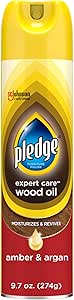
Pledge Moisturizing Wood Oil, Furniture Reviving & Protecting Conditioner and Dusting Spray, 9.7oz, Pack of 3
Pledge Moisturizing Wood Oil, Pack of 3 suits households that want an easy spray for recurring care of furniture, rather than a curing finish for raw wood. Its aerosol format is quicker to apply than Hope’s 100% Pure Tung Oil, which is intended to penetrate and cure for longer-term protection. Pledge is also described for leather furniture, while Hope’s is aimed at wood projects and other hard surfaces. That convenience comes with limits: this is a conditioning and dusting product, not a substitute for a durable wood finish, and the mineral oils may not suit every surface. The amber and argan scent is part of the appeal for some homes, but a drawback for scent-sensitive buyers. The three-can pack makes sense for regular household use.
Pros:- Aerosol format makes furniture application straightforward
- Designed to condition wood and leather furniture
- Pack of three suits recurring household maintenance
- Amber and argan scent adds fragrance during use
Cons:- Mineral oils may not suit every surface
- Requires regular application for continued conditioning
- Scented aerosol is less suitable for fragrance-sensitive users
Best for: Households that routinely dust and condition wood or leather furniture and prefer a ready-to-spray format
Not ideal for: Woodworkers seeking a curing finish for raw wood, or buyers avoiding aerosol products, mineral oils, or fragrance
- Size per can:9.7 oz
- Pack quantity:3
- Format:Aerosol spray
- Scent:Amber and argan
- Stated surfaces:Wood and leather furniture
- Product type:Moisturizing wood oil conditioner and dusting spray
Our verdict“Pick this three-pack for routine furniture conditioning when spray convenience and its fragrance suit your household.”
Caron & Doucet Natural Wood Conditioning Oil – 8oz
Caron & Doucet Natural Wood Conditioning Oil is a food-safe-ingredient option for people who want a plant-based conditioner for natural, waxed, or already-oiled wood. Unlike Hope’s 100% Pure Tung Oil, which cures into a more durable finish, this oil is positioned for conditioning and enriching existing finishes. Its coconut oil, rice bran wax, and orange essential oils bring a citrus scent and can deepen the wood’s warmth, a visible effect that may be welcome on some pieces and less so on pale wood. The 8-ounce bottle is smaller than Hope’s 16-ounce bottle, and dry or dull wood may need frequent treatment. Pick it for ingredient profile and surface compatibility; skip it if you need a hard-wearing finish or scent-free care.
Pros:- Plant-based formula with coconut oil and rice bran wax
- Food-safe ingredients
- Suitable for natural, waxed, and oiled finishes
- Can enhance wood color and warmth
Cons:- Dry or dull wood may need frequent application
- Orange scent may not suit scent-sensitive users
- Smaller 8-ounce volume than Hope’s 16-ounce tung oil
Best for: Buyers seeking a plant-based, food-safe-ingredient conditioner for natural, waxed, or oiled wood
Not ideal for: Anyone needing a curing protective finish, a scent-free product, or a large volume for frequent treatment
- Volume:8 oz
- Ingredients:Coconut oil, rice bran wax, and essential oils
- Scent:Orange
- Suitable finishes:Natural, waxed, and oiled wood
- Safety:Food-safe ingredients
- Product type:Wood conditioning oil
Our verdict“Choose Caron & Doucet for scented, plant-based conditioning of finished wood when you do not need a curing finish.”
Howard Products Food-Grade Mineral Oil for Cutting Boards, 12 oz
Howard Products Food-Grade Mineral Oil is the straightforward choice for maintaining cutting boards, butcher blocks, bowls, and utensils. It is tasteless, odorless, and colorless, so it conditions kitchen wood without adding the orange fragrance of Caron & Doucet Natural Wood Conditioning Oil or the amber scent of Pledge. Its food-grade mineral oil penetrates to help limit drying and cracking, and the description states that it will not go rancid. The tradeoff is that this is a maintenance oil, not a finish that cures into a durable coating like Hope’s 100% Pure Tung Oil. The 12-ounce bottle is aimed at kitchen items rather than broad indoor and outdoor projects. Choose Howard for simple, neutral upkeep; look elsewhere when you want a lasting film-forming finish.
Pros:- USP food-grade mineral oil for wooden kitchen items
- Tasteless, odorless, and colorless
- Penetrates wood to help prevent drying and cracking
- Will not go rancid
Cons:- Does not cure into a durable protective coating like tung oil
- Focused on conditioning kitchen wood rather than broad project finishing
Best for: Home cooks maintaining cutting boards, butcher blocks, wooden bowls, and utensils with an unscented oil
Not ideal for: Woodworkers seeking a curing finish for furniture or outdoor projects, or buyers wanting a scented conditioner
- Volume:12 oz
- Type:USP food-grade mineral oil
- Pack quantity:1
- Additional ingredient:Vitamin E
- Made in:USA
- Stated uses:Cutting boards, butcher blocks, countertops, wooden bowls, and utensils
- Properties:Tasteless, odorless, colorless, and will not go rancid
Our verdict“Choose Howard for neutral, routine conditioning of kitchen wood when you do not need a cured finish.”
Pledge Moisturizing Wood Oil, 9.7oz
Pledge Moisturizing Wood Oil, 9.7 oz is the single-can choice for occasional furniture upkeep: it sprays onto wood or sealed leather to condition surfaces and restore a healthy radiance. Compared with the Pledge Moisturizing Wood Oil Pack of 3, it makes more sense if you do not need several cans on hand; the formula is otherwise described with the same amber and argan scent and aerosol format. It is easier to apply for routine care than Hope’s 100% Pure Tung Oil, but it is limited to sealed surfaces and may need frequent reapplication. Mineral oils may also be unsuitable for some finishes. This is a furniture conditioner, not a project oil for raw wood or a finish intended to cure and resist wear.
Pros:- Aerosol spray simplifies furniture application
- Designed for wood and sealed leather surfaces
- Amber and argan scent
- Single can suits occasional rather than bulk use
Cons:- Limited to sealed surfaces
- Mineral oils may not suit all finishes
- May need frequent application for ongoing maintenance
Best for: People who occasionally condition sealed wood or leather furniture and prefer a single aerosol can
Not ideal for: Woodworkers finishing raw wood, anyone with surfaces unsuitable for mineral oils, or fragrance-sensitive buyers
- Size:9.7 oz
- Format:Aerosol spray
- Scent:Amber and argan
- Application:Furniture conditioning
- Stated surfaces:Wood and sealed leather
- Product type:Moisturizing wood oil
Our verdict“Choose the single Pledge can for occasional spray-on care of sealed furniture when its scent and surface compatibility work for you.”
Kate Naturals Food-Grade Mineral Oil for Wood Cutting Boards, 8 oz
Kate Naturals is a straightforward choice for someone starting a care routine for cutting boards, butcher blocks, or wooden utensils. Its colorless, odorless, tasteless mineral oil suits kitchen surfaces without adding a scent or changing how food tastes. The directions call for a 15–20 minute soak before wiping off excess, a shorter wait than Thirteen Chefs’ 12 oz mineral oil, which specifies several hours or overnight. That makes this bottle easier to fit into a quick maintenance session, though it still needs periodic reapplication. The 8 oz size is manageable for occasional home use, but buyers treating several large boards may prefer a larger bottle. It also works on bamboo, teak, and hardwood, giving beginners one uncomplicated oil for common kitchen wood.
Pros:- Food-grade mineral oil is suited to cutting boards and other kitchen wood
- Colorless, odorless, and tasteless for neutral use around food
- Can be used on bamboo, teak, and hardwood
- 15–20 minute absorption period is shorter than the overnight soak specified for Thirteen Chefs’ 12 oz oil
Cons:- Needs periodic reapplication to maintain protection
- Requires waiting for absorption and wiping away excess
- The 8 oz bottle may be limiting for frequent care of large surfaces
Best for: Home cooks caring for one or two cutting boards who want a simple, unscented food-grade oil and clear application steps
Not ideal for: People maintaining many large butcher-block surfaces who want a larger bottle or less frequent restocking
- Brand:Kate Naturals
- Type:Food-grade mineral oil
- Volume:8 oz
- Color:Colorless
- Odor and taste:Odorless and tasteless
- Suitable surfaces:Cutting boards, butcher blocks, wooden utensils, salad bowls, rolling pins, stainless steel blades, and appliances
- Application:Let absorb for 15–20 minutes, then wipe away excess
Our verdict“Choose Kate Naturals if you want an easy, neutral oil for routine care of a small set of kitchen wood items.”
Tried & True Original Wood Finish, 8 oz. | Linseed Oil & Beeswax Blend for Woodworking Projects
Tried & True Original Wood Finish takes a different approach from the mineral oils in this group: its linseed oil and beeswax blend is intended to build a durable finish, not just replenish a cutting board between uses. It suits woodworking projects and food-contact surfaces, with a warm appearance and protection against water and everyday wear. Compared with Kate Naturals Food-Grade Mineral Oil, this requires more work: the instructions call for wiping on, buffing dry, and burnishing, with multiple coats recommended. That extra effort is a tradeoff for a longer-lasting finish and easier touch-ups. The blend is a better match for someone finishing a project than for a cook who wants a quick, recurring board-care routine.
Pros:- Linseed oil and beeswax create a warm-looking finish
- Designed for durability against water and daily use
- Food-safe and non-toxic according to the product data
- Touch-ups are described as easy
Cons:- Best results call for multiple coats
- Buffing and burnishing add steps compared with applying mineral oil
- A project finish may be more work than needed for routine cutting-board conditioning
Best for: Woodworkers finishing food-contact items or pet furnishings who are willing to apply and buff multiple coats for a more durable surface
Not ideal for: People seeking a quick mineral-oil refresh for cutting boards or a low-effort monthly maintenance routine
- Size:8 oz
- Ingredients:Linseed oil and beeswax
- Application:Wipe on, buff dry, burnish, and repeat
- Recommended coats:Multiple coats for best results
- Safety:Food safe and non-toxic
- Intended use:Woodworking and finishing projects
- Finish qualities:Warm appearance and protection against water and daily use
Our verdict“Pick Tried & True when a woodworking project calls for a durable, warm finish and you can spend time applying several coats.”
Thirteen Chefs Food-Grade Mineral Oil for Cutting Boards, 12 oz
Thirteen Chefs’ 12 oz bottle suits cooks maintaining several boards, utensils, or a butcher block who want a larger supply of food-grade mineral oil. Its NSF certification distinguishes it from Kate Naturals’ 8 oz option, while the push-applicator squeeze bottle helps direct oil onto a surface. This is a maintenance oil, so it conditions kitchen wood rather than creating the more durable linseed-and-beeswax finish offered by Tried & True Original Wood Finish. The tradeoff is time: the directions specify letting it sit for four hours or overnight before wiping it off, far longer than Kate Naturals’ 15–20 minute wait. Choose it for a planned care session, not when you need a quick turnaround.
Pros:- NSF-certified food-grade mineral oil
- 12 fl oz capacity provides more oil than the 8 oz options in this group
- Push-applicator squeeze bottle simplifies dispensing
- Suitable for boards, butcher blocks, utensils, and other kitchen surfaces
Cons:- Requires a four-hour or overnight soak before wiping
- Needs periodic reapplication
- Long wait may not suit quick maintenance routines
Best for: Home cooks with multiple cutting boards or a butcher block who value NSF certification and a larger bottle for planned maintenance
Not ideal for: People who need to condition and use a board again soon, since the directions call for several hours of soak time
- Manufacturer:Thirteen Chefs
- Volume:12 fl oz
- Item weight:11 ounces
- Dimensions:3.5 x 2 x 8 inches
- Color:Transparent
- Certification:NSF certified
- Application:Apply, let sit for four hours or overnight, then wipe off
- Part number:CB01
- Made in:USA
Our verdict“Choose this bottle for larger kitchen wood surfaces if you can set aside several hours for the oil to soak in.”
Howard Orange Oil 16 Ounce Two Bottles, Orange Wood Cleaner, Antique Wood Conditioner
Howard Orange Oil serves a different wood-care need from the food-grade mineral oils in this roundup: it is a cleaner and conditioner for furniture, floors, and antiques. Its citrus scent and shine-restoring role make it a fit for people maintaining household wood rather than conditioning a cutting board for food preparation. Compared with Pledge Moisturizing Wood Oil, Howard is described as suitable for finished and unfinished wood, while the Pledge option is a dusting spray. The two-bottle pack offers a ready supply for ongoing furniture care, but the liquid format may require a separate cloth or applicator. Its cleaning and polishing purpose also makes it a poor substitute for a dedicated food-contact mineral oil such as Thirteen Chefs.
Pros:- Designed to clean, polish, and condition furniture, floors, and antiques
- Can be used on finished and unfinished wood
- Orange oil leaves a fresh citrus scent
- Two-bottle pack supplies ongoing household maintenance
Cons:- Not specified as food-grade for cutting boards or kitchen utensils
- May require frequent application for deeper cleaning
- Liquid may be less convenient without a separate application tool
Best for: Homeowners caring for antiques, cabinets, and wood floors who want a citrus-scented cleaner and conditioner
Not ideal for: People treating cutting boards or other food-contact surfaces who need a product specifically described as food-grade
- Type:Orange oil wood cleaner
- Size:16 ounces
- Quantity:Two bottles
- Intended surfaces:Furniture, wood floors, and antiques
- Suitable wood:Finished and unfinished wood
- Functions:Cleans, polishes, and conditions
- Scent:Citrus
Our verdict“Pick Howard Orange Oil for scented cleaning and polishing of household wood, not for conditioning food-preparation boards.”
Thirteen Chefs Mineral Oil – 8 oz Food Grade Conditioner for Wood Cutting Boards, Countertops & Butcher Blocks
This 8 oz Thirteen Chefs mineral oil is the compact choice for maintaining boards, countertops, and butcher blocks without buying the larger 12 oz bottle. Its NSF certification and push-applicator cap give it a practical edge for measured kitchen use. Compared with Kate Naturals’ 8 oz oil, the Thirteen Chefs listing calls out the applicator and certification; Kate Naturals, meanwhile, specifies a shorter 15–20 minute absorption period, while this product data gives no soak time. As with other mineral oils here, expect periodic upkeep rather than the longer-lasting surface finish of Tried & True’s linseed oil and beeswax blend. The product also warns that excess oil can leave a slippery surface, so wiping carefully matters.
Pros:- NSF-certified food-grade mineral oil
- Push-applicator cap helps apply oil evenly
- 8 oz bottle is suited to routine home maintenance
- Listed for cutting boards, countertops, butcher blocks, and knives
Cons:- Excess oil can leave surfaces slippery if not fully wiped off
- Requires periodic upkeep as a mineral-oil conditioner
- Product data does not specify an absorption time
Best for: Cooks who want a compact, NSF-certified bottle with a push applicator for regular care of boards and butcher blocks
Not ideal for: People who want a stated fast-drying routine or who may not have time to wipe excess oil thoroughly
- Manufacturer:Thirteen Chefs
- Part number:2891612
- Size:8 fl oz
- Item weight:8 ounces
- Package dimensions:6.73 x 2.44 x 1.5 inches
- Color:Transparent
- Package quantity:1
- Certification:NSF certified
Our verdict“Choose this compact Thirteen Chefs bottle for food-contact wood care when you value its applicator and certification and can wipe away excess.”

How We Picked
I ranked these products by how clearly their stated use matches common wood-care jobs: finishing bare wood, conditioning food-contact boards, or maintaining finished furniture. I weighed the oil or blend type, intended application, food-contact positioning, package format, and how much ongoing care the product implies. A finish that cures serves a different purpose from mineral oil, which conditions a surface but does not form the same kind of lasting film.
The ranking favors a strong fit for a clearly defined task and useful versatility within that task, not a claim that one formula works for every wooden surface. That puts Hope’s Tung Oil first for a finish-focused buyer, while board-specific mineral oils and Tried & True rank by their distinct roles. Pledge sprays and Howard Orange Oil sit lower for readers seeking a true wood finish because their stated role centers on furniture conditioning or cleaning. The supplied product details do not establish comparative performance testing, so I avoid claims about durability beyond the products’ stated formulations and intended uses.
| wood oil | Application |
|---|---|
| Hope’s 100% Pure Tung Oil | Indoor and outdoor projects |
| Pledge Moisturizing Wood Oil | — |
| Caron & Doucet Natural Wood Co | — |
| Howard Products Food-Grade Min | — |
| Pledge Moisturizing Wood Oil | Furniture conditioning |
| Kate Naturals Food-Grade Miner | Let absorb for 15–20 minutes, then wipe away excess |
| Tried & True Original Wood Fin | Wipe on, buff dry, burnish, and repeat |
| Thirteen Chefs Food-Grade Mine | Apply, let sit for four hours or overnight, then wipe off |
| Howard Orange Oil 16 Ounce Two | — |
| Thirteen Chefs Mineral Oil | — |
Factors to Consider When Choosing Wood Oil
Start by identifying what the wood needs: a finish for bare timber, routine conditioning for a board, or cleaning and care for furniture that already has a finish. The word “oil” can describe products with very different behavior, so matching the formula to the surface matters more than choosing by label alone.
Decide Whether You Need a Finish or a Conditioner
A curing finish changes the surface by hardening as it dries, while a non-curing conditioner replenishes or lubricates the wood and generally needs regular reapplication. This distinction affects both protection and upkeep: a board treated with mineral oil will not gain the same film as bare wood treated with a curing finish. Check the product’s directions for curing or drying claims rather than assuming every oil hardens. A common mistake is applying a furniture spray to unfinished wood and expecting it to seal the grain. If your goal is to alter or protect bare wood, choose a product described for finishing; if the goal is board care, a food-grade conditioner may be the better match.
Match Food-Contact Claims to the Actual Surface
Cutting boards and butcher blocks need products expressly intended for food-contact surfaces once cured or used as directed. A general furniture oil should not be treated as interchangeable just because it is applied to wood. Read the full label for food-grade wording and any directions about drying, wiping away excess, or waiting before use. Also distinguish a board’s cutting surface from nearby cabinetry, which may have a conventional furniture finish. If one product must serve both jobs, verify that its instructions cover both instead of relying on a broad “wood safe” claim.
Think Through Reapplication and Upkeep
Mineral oil conditioners are easy to understand but call for ongoing care, especially on surfaces that are washed often. A curing finish may reduce the frequency of treatment, though application and drying can take more planning. Compare the maintenance routine with how often the item is used, washed, or exposed to moisture. Applying conditioner too frequently can leave excess oil on the surface, while neglecting a board can leave it looking dry. Follow the maker’s directions and remove excess rather than treating more product as automatic added protection.
Choose the Right Format for the Job
Pour bottles work well when you need to spread oil over a board or woodworking piece, while sprays are designed for quick surface care and dusting. The format can influence control: a pour bottle may be easier to dose on a small board, whereas a spray can cover a broad furniture surface quickly. Consider where you will apply it and whether overspray or residue would be inconvenient. Do not assume a spray format means the product penetrates deeply or finishes bare wood. For detailed projects, check whether the instructions call for cloth application, repeated coats, or a dedicated applicator.
Factor in Blend, Scent, and Drying Expectations
Pure oils, wax blends, and citrus-based cleaners can leave different surface feel and require different handling. A linseed oil and beeswax blend, for instance, is not the same choice as a simple mineral oil conditioner. Scent may matter when treating indoor furniture or a kitchen board, so check product details and ventilation guidance. Drying time also shapes whether an item can return to service quickly or needs to sit between coats. Avoid choosing from the word “natural” alone; review the ingredients and application instructions for the finish you want.
Buy for the Amount of Wood You Maintain
Package size and multipacks matter most when you already know how regularly you will use a conditioner. A larger format can be convenient for several boards or frequent maintenance, but it is less useful if the product is specialized for a single surface. Small bottles suit occasional care or a first purchase when you are still learning your routine. Compare the label’s intended uses and storage directions before buying multiple units. For a one-time furniture refresh, a dedicated spray may be more practical than keeping a large bottle of board oil on hand.
Frequently Asked Questions
Can I use mineral oil as a lasting finish on bare furniture?
Mineral oil is generally used as a conditioner, not as a curing film finish. It can darken or enrich the look of wood temporarily, but it does not provide the same surface layer as a finish designed to harden. On furniture that needs more persistent surface protection, choose a product labeled for finishing that type of wood and follow its cure directions. Check compatibility with any existing coating before applying a new product. For cutting boards, mineral oil remains useful because easy renewal is part of the care routine.
Is food-grade mineral oil suitable for every kitchen wood surface?
It is commonly intended for cutting boards, butcher blocks, and similar food-contact wood, but the product label should name the surfaces it covers. A sealed dining table or painted cabinet has a different finish and may not benefit from board conditioner. Treat boards only when clean and dry, then follow the application and wipe-down directions. Do not use a product on cookware, utensils, or other items unless its label supports that use. If the wood has an unknown coating, test a small, hidden area first.
Should I choose tung oil or mineral oil for a new cutting board?
That depends on whether you want a renewable conditioner or a finish that cures. Mineral oil is the simpler board-care option among these products and typically needs periodic reapplication. Tung oil is a finish product, so its directions, curing period, and suitability for food-contact use after curing must be checked carefully. Do not put a board into service until the product instructions say it is ready. For a straightforward maintenance routine, a board-specific food-grade mineral oil is usually easier to manage.
Can furniture oil sprays repair scratches or peeling finish?
A conditioning or dusting spray may refresh the appearance of a finished surface, but it should not be expected to repair missing finish, deep scratches, or peeling. Those problems may require cleaning, touch-up, or refinishing suited to the existing coating. Test any spray in an inconspicuous spot, since residues can affect later repairs. Avoid spraying directly onto floors or other surfaces where residue could create a slipping hazard. Follow the product label for compatible materials and application.
How do I know whether a product is a cleaner, conditioner, or finish?
Read the label’s stated purpose and application directions rather than relying on “wood oil” in the product name. Cleaners are intended to remove dirt or refresh a surface, conditioners replenish a surface and often need renewed application, and finishes are described as curing or forming a protective coating. Some products combine care functions, so check whether they claim to protect, polish, clean, or seal. The distinction affects maintenance, surface feel, and whether the product is appropriate for bare wood. When the label is unclear, choose a product with explicit directions for your exact surface.
Conclusion
For most readers seeking a dedicated finish for bare wood, I recommend Hope’s 100% Pure Tung Oil as the best overall choice in this lineup. Howard Food-Grade Mineral Oil is my value-minded pick for regular cutting-board care, while Tried & True Original Wood Finish is the premium-style choice for woodworking projects that suit its linseed oil and beeswax blend. Beginners maintaining a board can start with a clearly labeled food-grade mineral oil and a simple reapplication routine; Kate Naturals and Thirteen Chefs offer alternatives in that category. For finished furniture, choose Pledge Moisturizing Wood Oil for spray-based care or Howard Orange Oil when its cleaner and conditioner role matches the task. Match the product to the surface first, then compare format and upkeep.
Fall yard work Picks
leaf blowers
As an affiliate, we earn on qualifying purchases.