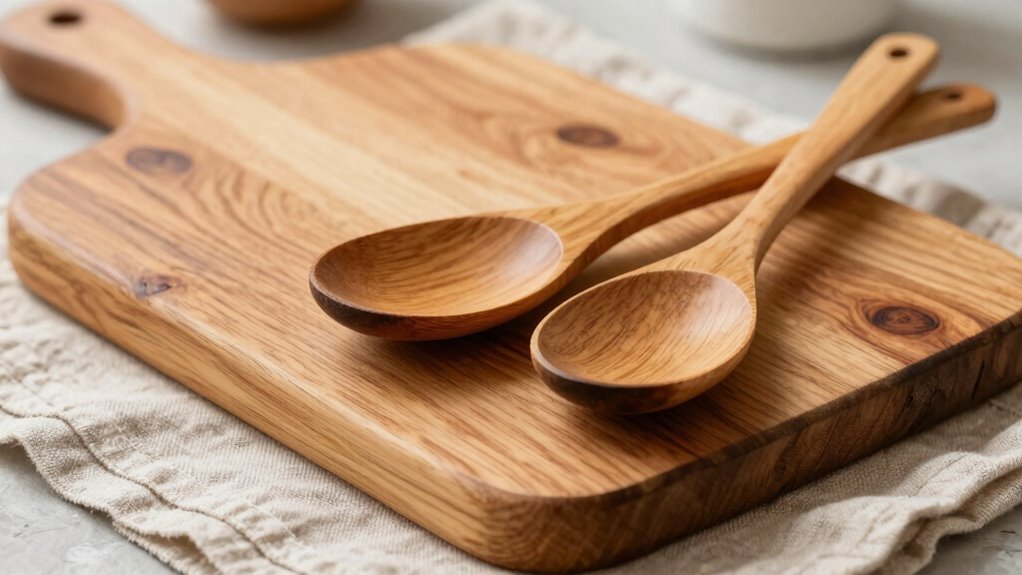

You can make your wooden kitchenware last longer by following simple care routines. Regularly seasoning your tools with food-safe oils or beeswax helps keep the wood hydrated and prevents cracks, while proper storage protects them from damage. Hand washing with mild soap and drying immediately keeps them clean and odor-free. Routine inspections catch damage early, avoiding costly replacements. Stick with these easy tips, and you’ll discover how maintaining your tools preserves their beauty and durability over time.
Listen free for 30 days with Audible
Thousands of audiobooks and originals — cancel anytime.
As an affiliate, we earn on qualifying purchases.
Key Takeaways
- Regular seasoning with food-safe oils prevents drying, cracking, and maintains wood’s natural moisture.
- Proper storage allows wooden utensils to breathe, reducing warping and damage over time.
- Hand washing and immediate drying prevent swelling, cracking, and mold growth.
- Routine inspection and light sanding remove rough spots, extending the utensil’s lifespan.
- Consistent maintenance preserves the wood’s appearance, hygiene, and structural integrity, reducing replacement needs.
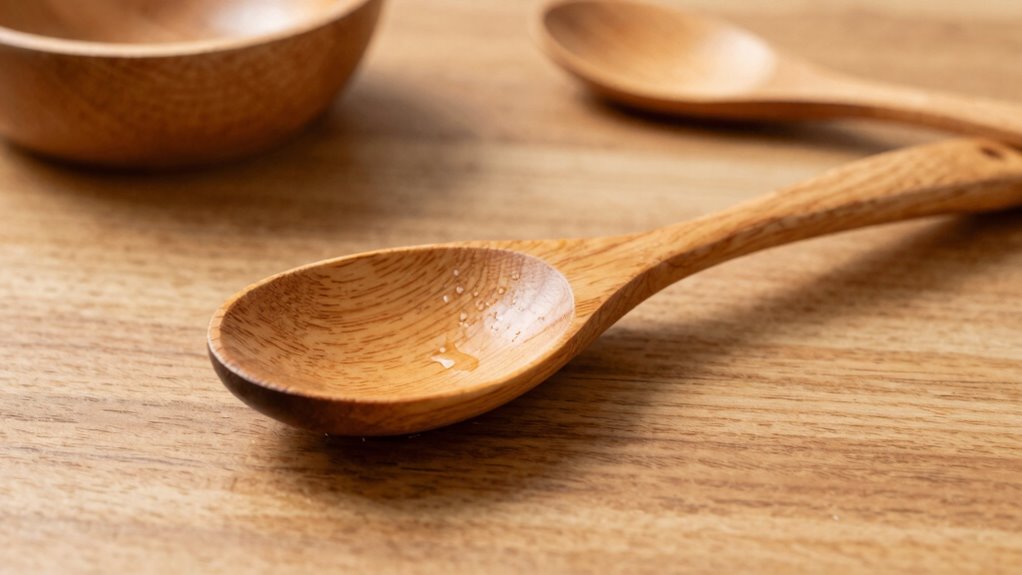
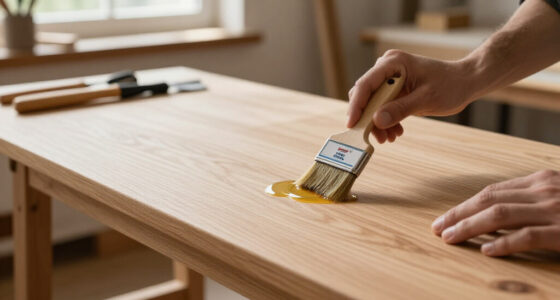
Taking good care of your wooden kitchenware guarantees it stays beautiful and functional for years to come. Proper maintenance isn’t complicated, but it does require understanding a few basic principles. One key aspect is wooden seasoning, which helps maintain the wood’s natural oils and prevents it from drying out or cracking. Regularly applying a food-safe mineral oil or beeswax creates a protective barrier, keeping the wood hydrated and resistant to stains and odors. This simple step enhances the durability of your kitchen tools and assures they look great over time.
Proper wooden seasoning preserves beauty, prevents cracking, and extends the life of your kitchen tools naturally.
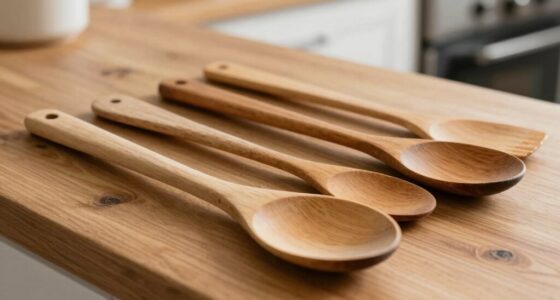
When it comes to storage solutions, how you store your wooden kitchenware makes a big difference. Avoid overcrowding drawers or stacking items in ways that can cause unnecessary pressure or scratches. Instead, opt for dedicated racks or hooks that allow your utensils to breathe and dry thoroughly after cleaning. Proper storage prevents warping and helps maintain the shape and integrity of your tools. Keep wooden spoons, cutting boards, and bowls in a dry, well-ventilated space. Moisture is one of the biggest enemies of wood, so guaranteeing good airflow reduces the risk of mold and decay, ultimately prolonging the life of your kitchenware. Sustainable choices in storage and maintenance can also contribute to reducing waste and environmental impact. Additionally, understanding the importance of wooden care helps you make better decisions about maintaining your utensils. Recognizing the role of wooden preservation techniques can further enhance the longevity of your tools.
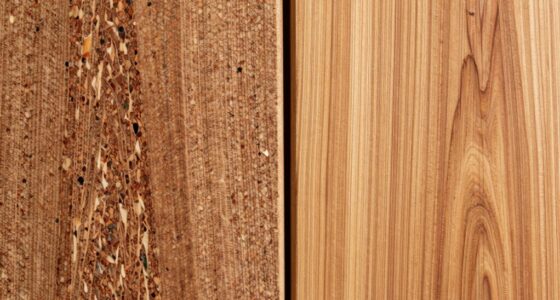
Implementing these proper cleaning methods is crucial, as misuse can lead to damage over time. Never soak them in water or put them in the dishwasher, as this can cause swelling, cracking, or even splitting. Instead, hand wash with warm water and mild soap, then dry immediately with a towel. If you notice any rough spots or splinters, gently sand them with fine-grit sandpaper and reapply a layer of wooden seasoning. Regularly inspecting your tools and understanding wooden maintenance practices can prevent problems before they occur. This routine upkeep keeps your tools smooth and safe to use.
The simplicity of these care routines is what makes them so effective. With just a little effort—regular wooden seasoning, thoughtful storage solutions, and careful cleaning—you notably extend the lifespan of your wooden kitchenware. These steps help preserve the wood’s natural beauty, prevent damage, and maintain hygiene. Instead of replacing utensils frequently, investing a few minutes in proper care saves you money and reduces waste. Wooden kitchenware, when cared for properly, can become a lasting part of your culinary routine, offering beauty, function, and durability in every meal you prepare.
food-safe mineral oil for wooden kitchenware
As an affiliate, we earn on qualifying purchases.
As an affiliate, we earn on qualifying purchases.
Frequently Asked Questions
Can Wooden Kitchenware Be Used in the Dishwasher?
Wooden kitchenware isn’t dishwasher safe, so you should avoid putting it in the dishwasher. The high heat and moisture can cause the wood to crack or warp over time. Instead, opt for alternative cleaning methods like hand washing with mild soap and water. This gentle approach helps maintain the wood’s integrity, ensuring your kitchenware lasts longer and stays in good condition.
How Often Should I Re-Oil My Wooden Utensils?
Think of your wooden utensils as living parts of your kitchen; they need regular care to thrive. Re-oil them every 2-4 weeks, depending on use, to keep their luster and durability. Follow simple re-oiling techniques like applying food-grade mineral oil and letting it soak in overnight. Stick to a maintenance schedule, and your utensils will stay in top shape, resisting cracks and splinters for years to come.
Are There Specific Cleaning Products to Avoid?
You should avoid chemical cleaners and abrasive scrubbers on your wooden kitchenware. These harsh products can damage the wood’s surface, causing cracks or splitting over time. Instead, opt for mild dish soap and warm water, gently scrubbing with a soft sponge or cloth. After cleaning, dry your utensils thoroughly to prevent moisture damage. This simple care method helps extend the life of your wooden utensils, keeping them beautiful and functional longer.
Can Wooden Bowls Be Used for Hot Foods?
Yes, wooden bowls can be used for hot foods, but keep in mind their limited heat resistance. Wooden bowls are generally safe for serving hot dishes, but they may not withstand prolonged exposure to high temperatures or direct heat. To guarantee food safety, avoid placing hot foods directly into wooden bowls from the stove or oven. Instead, allow foods to cool slightly before serving to protect the wood and maintain hygiene.
How Do I Remove Stains From Wooden Kitchenware?
Imagine a gentle tide washing over your wooden kitchenware, lifting stubborn stains effortlessly. To remove stains, use a mixture of baking soda and water to create a paste, applying it with a soft cloth. Let it sit briefly, then scrub gently with a brush. Rinse thoroughly and dry. These cleaning techniques help lift stains without damaging the wood, keeping your kitchenware looking fresh and beautiful longer.
Conclusion
Treat your wooden kitchenware with simple care, and it becomes a loyal companion in your culinary journey. Like a trusted friend, it endures the test of time, aging gracefully with each gentle wash and careful hand. When you nurture it with love and simplicity, your wooden tools become symbols of tradition and warmth—reminding us that true beauty and strength lie in the care we give. Cherish them, and they’ll cherish you in return.
NFL season / tailgating Picks
team gear
As an affiliate, we earn on qualifying purchases.