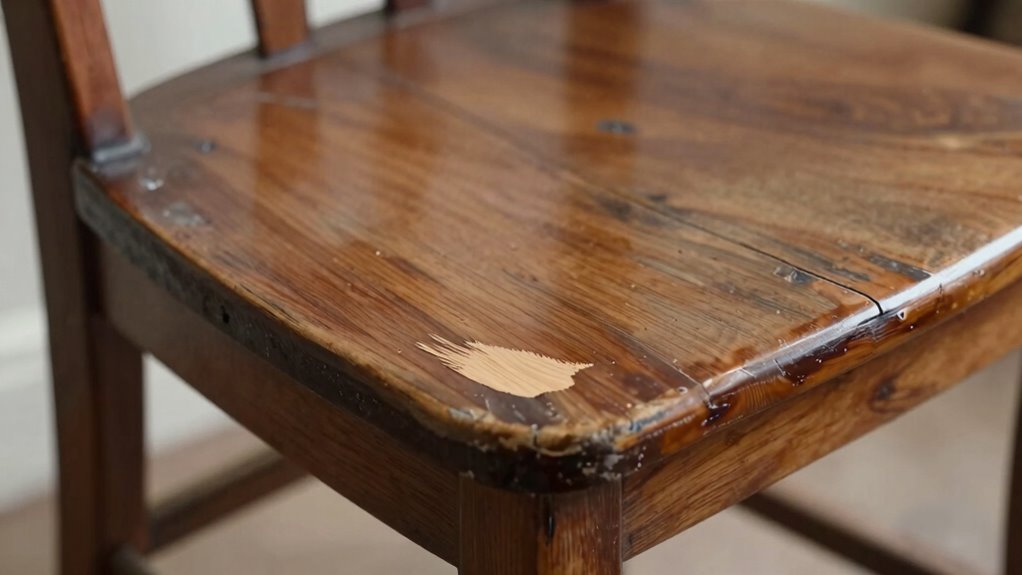

If you’re dealing with minor scratches or small chips, touch-ups often beat full refinishing because they’re quicker, cheaper, and less disruptive. They allow you to preserve the original character of your furniture, maintaining its charm without the hassle of stripping and reapplying finishes. Proper surface prep and quality materials ensure seamless results that look natural and last longer. If you want to discover when a simple fix is enough versus full refinishing, keep exploring the options available.
Key Takeaways
- Touch-ups are quicker, more cost-effective for minor damage, and preserve the original craftsmanship.
- They maintain the furniture’s authentic look without extensive work or disruption.
- Properly executed touch-ups seamlessly blend with existing finishes, often outperforming full refinishing for small blemishes.
- Full refinishing is unnecessary and more labor-intensive when damage is limited to surface imperfections.
- Touch-ups prevent unnecessary removal of original finishes, protecting furniture’s character and value.
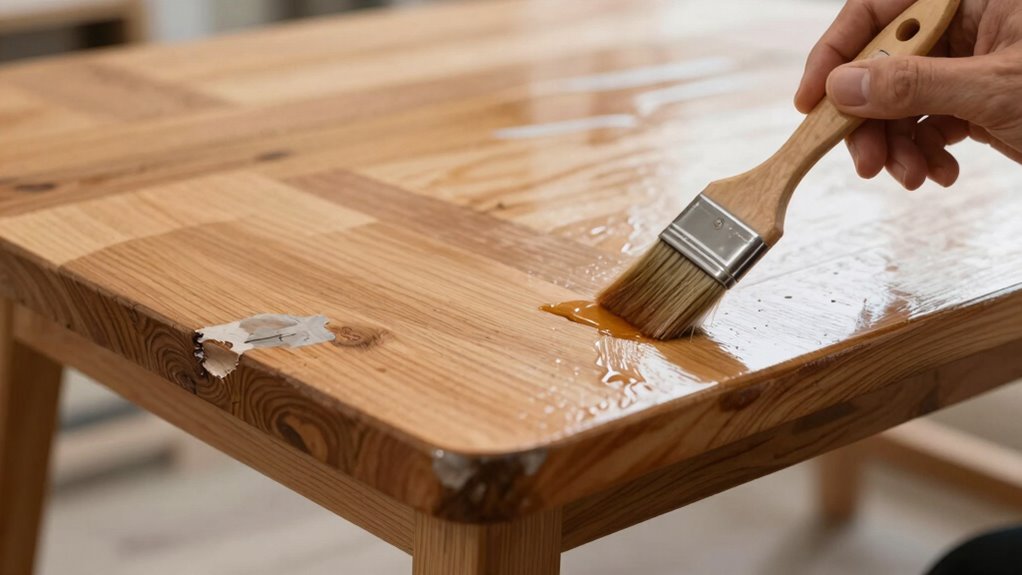
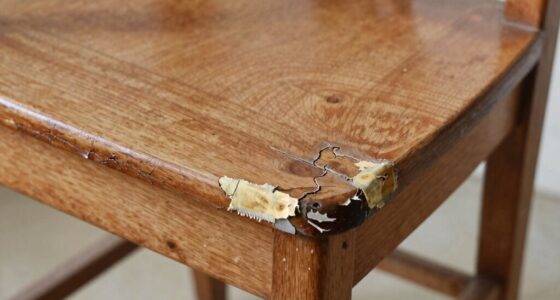
When deciding between touch-ups and full refinishing, understanding which option best suits the condition of your furniture or surfaces is essential. If your piece has minor scratches, small chips, or light wear, a simple touch-up can often restore its appearance without the need for extensive work. Touch-ups focus on repairing specific flaws, making surface preparation straightforward—you only need to clean and lightly sand the affected area to guarantee proper adhesion. This not only saves time but also reduces the risk of damaging the original finish.
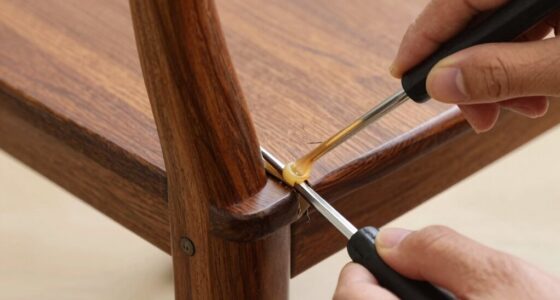
Material selection plays a key role here. When choosing touch-up products, you want to match the existing finish as closely as possible. High-quality touch-up kits, including pens, markers, or small brushes, provide precise control and can seamlessly blend into the existing surface. If you select the right materials, you avoid the need for a complete overhaul, maintaining the furniture’s original character and finish while addressing localized damage efficiently. Proper surface preparation is crucial to ensure these repairs blend seamlessly and last over time. Additionally, understanding the types of damage that can be effectively repaired with touch-ups versus refinishing can help you make a more informed decision. Recognizing the extent of damage is essential to determine whether a touch-up will suffice or if a more comprehensive approach is needed.
Choosing high-quality touch-up products ensures seamless blending and preserves your furniture’s original charm.
On the other hand, full refinishing might seem like an all-encompassing solution, but it isn’t always necessary. Full refinishing involves stripping the old finish, sanding the surface thoroughly, and applying new paint, stain, or varnish. While this process can rejuvenate heavily damaged or outdated furniture, it’s more labor-intensive, time-consuming, and expensive. Plus, it involves more extensive surface preparation and a careful choice of materials to guarantee the new finish adheres well and lasts long. If you’re dealing with a surface where the finish has become uneven or markedly worn, a full refinishing might be the better route—if you’re prepared for the commitment.
However, in many cases, a well-executed touch-up can outperform a full refinishing, especially when the damage is minor. It preserves the original craftsmanship, avoids the risks associated with stripping and sanding, and maintains the furniture’s authentic look. Touch-ups also allow for quick corrections and adjustments without disrupting the overall aesthetic. For surfaces that are structurally sound and only lightly blemished, this approach makes more sense financially and practically. Additionally, understanding the importance of surface preparation can significantly impact the success of either approach. Properly preparing the surface ensures a durable and seamless repair, which is especially important for maintaining the longevity of the finish.
In the end, your decision hinges on the extent of damage and your goals. If you aim for a quick, cost-effective fix that preserves the original finish, touch-ups often beat full refinishing. Proper surface preparation and careful material selection are key to making this work beautifully, helping you restore your furniture’s charm without unnecessary work.
As an affiliate, we earn on qualifying purchases.
Frequently Asked Questions
How Long Do Touch-Ups Typically Last Compared to Full Refinishing?
Touch-ups generally last shorter than full refinishing because they involve applying paint over small areas, which might not match perfectly and can wear faster. However, if done correctly, touch-ups can be quite durable, especially for minor damages. Full refinishing offers better paint durability and longer refinishing longevity, but it’s more time-consuming and costly. So, touch-ups can sometimes be a practical, quick fix with decent durability depending on the situation.
Are Touch-Ups Suitable for All Types of Furniture Finishes?
Think of touch-ups as tiny patches in a quilt—they work best when the original finish is intact. They’re not suitable for all furniture finishes, especially those with complex textures or uneven paint matching. For lasting results, consider finish durability and how well the paint matching blends with the existing surface. If your furniture has a simple, smooth finish, touch-ups can seamlessly restore its look without the need for full refinishing.
What Are the Cost Differences Between Touch-Ups and Full Refinishing?
The cost comparison shows touch-ups are considerably cheaper than full refinishing, making them ideal for budget considerations. You’ll spend less on materials and labor, often only paying for spot repairs. Full refinishing involves stripping, sanding, and applying multiple coats, which increases costs. If your furniture has minor damage or wear, opting for a quick touch-up keeps expenses low while restoring appearance effectively, especially when budget constraints matter.
Can Touch-Ups Be Performed Without Professional Assistance?
You can attempt DIY methods for touch-ups, but it’s often best to seek expert assistance for quality results. While small repairs might seem manageable, professionals have the skills and tools to match colors precisely and guarantee seamless blending. If you lack experience, DIY touch-ups might look uneven or chip over time. For the best outcome, consider consulting a professional to guarantee a smooth, durable finish that perfectly matches your existing surface.
Do Touch-Ups Affect the Resale Value of Furniture?
Touch-ups can positively or negatively affect your furniture’s resale value. If you do them well, they preserve furniture durability and maintain its aesthetic impact, making it more appealing to buyers. Poorly executed touch-ups, however, may highlight damage or look inconsistent, lowering the furniture’s value. Proper, professional touch-ups guarantee your furniture stays attractive and functional, boosting resale appeal rather than diminishing it.
Conclusion
So, next time you’re faced with fading finishes, remember that touch-ups tend to triumph by tackling tiny troubles quickly and cost-effectively. They’re simple, swift, and savvy solutions that save you stress and spending. When minor mishaps happen, don’t hesitate—highlight the harmony with a helpful touch-up. Because sometimes, swift solutions beat full-scale fixes, saving your space and your sanity. Keep it quick, keep it quality, and enjoy a freshly finished finish!