
Choosing the right topcoat during surface preparation is essential because it determines how often you’ll need maintenance later. A durable, climate-appropriate coating helps resist environmental damage like UV rays, moisture, and harsh weather, extending its lifespan. Proper cleaning and sanding before application guarantee better adhesion and longer-lasting protection. If you want to minimize future repairs and preserve your surface’s appearance, selecting the right topcoat from the start is vital—continue to find out how to make the best choice.

Get business pricing on tools and workshop supplies
- Business-only prices and quantity discounts
- Tax-exempt purchasing
- Multiple users, one account, clear invoices
Key Takeaways
- Selecting the right topcoat based on environmental conditions ensures longer-lasting protection and reduces future maintenance needs.
- Proper surface preparation before applying the topcoat prevents premature failure and minimizes costly repairs later.
- Using high-quality, durable coatings suited for the climate extends intervals between maintenance or reapplication.
- Regular inspection and early touch-ups can prevent extensive damage, saving time and maintenance costs over the long term.
- Considering future maintenance requirements during the initial topcoat decision promotes easier, cost-effective upkeep.
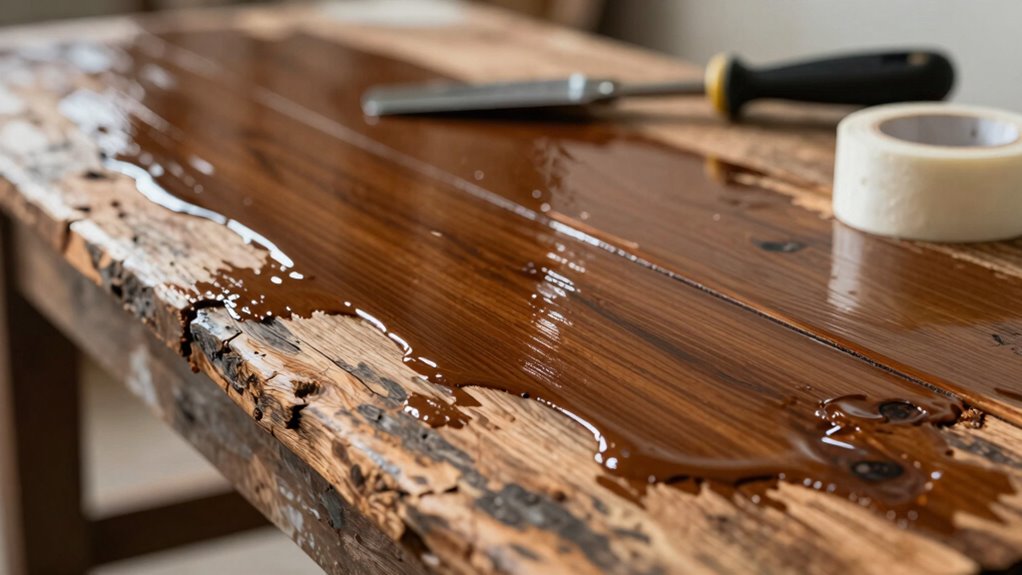
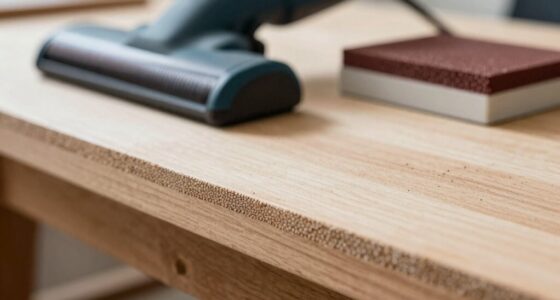
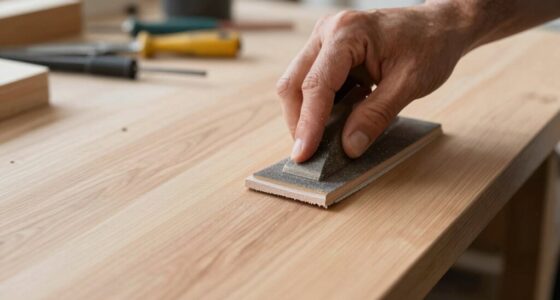
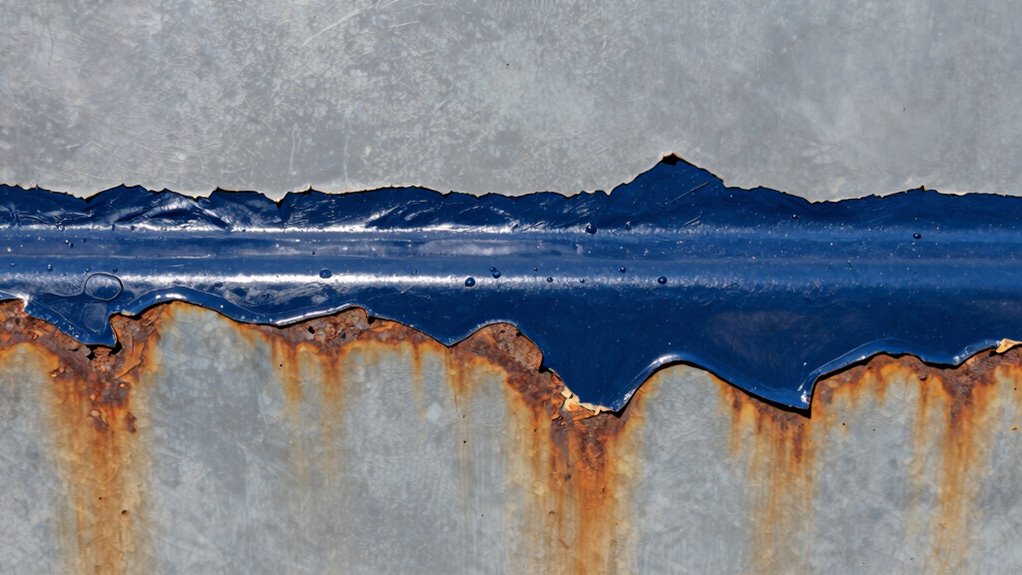
Ever wondered how to determine if your topcoat needs maintenance? Recognizing when to refresh or reapply your topcoat hinges on paying close attention to both surface preparation and environmental factors. Proper surface preparation is essential because it ensures the new coat adheres well and lasts longer. If you notice peeling, cracking, or dullness, it’s time to assess whether the surface was properly prepared initially. Dirt, grease, or loose paint can interfere with adhesion, so thorough cleaning and sanding are necessary before applying a new layer. Skipping these steps might seem quicker but can lead to premature failure, which ultimately costs more time and effort in the long run. Additionally, understanding the surface condition can help you make more informed maintenance decisions. Environmental impact plays a significant role in your topcoat’s lifespan. Exposure to harsh weather conditions—such as rain, snow, or intense sunlight—accelerates wear and tear. UV rays break down the coating’s protective qualities, causing it to fade and become brittle. Moisture can seep into cracks, promoting rust or rot beneath the surface. If your topcoat isn’t designed to withstand your local climate, or if it’s been years since application, you might notice signs that it’s time for maintenance. These signs include increased surface porosity, color fading, or the emergence of bubbles and blisters. Recognizing these indicators helps you decide whether a simple touch-up suffices or if a full recoat is needed. Proper understanding of environmental factors can also help in selecting the most durable coating options for your specific climate. When considering maintenance, think about how the environment has affected your surface and whether the initial surface preparation was adequate. Properly prepared surfaces with good adhesion can extend the life of your topcoat, reducing the frequency of repairs. Neglecting surface preparation can compromise the durability of your coating and lead to unnecessary repairs. Conversely, neglecting surface prep and ignoring environmental influences can lead to costly damage that might have been preventable. If you’re unsure, it’s wise to inspect your surface carefully and consult with professionals if needed. They can advise on the appropriate steps, whether it’s spot repairs or a complete reapplication. It’s also helpful to understand the effect of environmental factors to better anticipate maintenance needs and protect your surfaces more effectively. Ultimately, your decision to maintain or replace your topcoat hinges on understanding these key factors. Taking the time to evaluate surface condition and environmental influences now can save you significant effort later. Well-maintained surfaces not only look better but also protect the underlying material more effectively, ensuring your investment lasts longer. So, stay vigilant, pay attention to surface preparation, and consider how environmental impacts are influencing your coating’s durability—your future self will thank you.
high durability exterior topcoat
As an affiliate, we earn on qualifying purchases.
As an affiliate, we earn on qualifying purchases.
Frequently Asked Questions
How Long Does a Topcoat Typically Last Before Reapplication?
A topcoat typically lasts about 5 to 10 years before reapplication, depending on surface preparation and application techniques. Proper surface preparation guarantees the coating adheres well and lasts longer. Using correct application techniques, like even coating and suitable tools, helps prevent premature wear. Environmental factors, foot traffic, and maintenance also influence longevity. Regular inspections can help you identify when it’s time for reapplication, keeping your surface protected and looking fresh.
Can Topcoat Be Applied Over Existing Paint?
Don’t put new wine in old bottles—topcoat can be applied over existing paint if you consider color compatibility and surface preparation. You need to guarantee the current surface is clean, dry, and free of peeling or peeling paint. Proper surface prep helps the topcoat adhere well, preventing future issues. Always test a small area first, and choose a compatible color to ensure a smooth, lasting finish.
What Environmental Factors Affect Topcoat Longevity?
Environmental factors critically impact topcoat longevity. You need to take into account surface preparation, ensuring the surface is clean and properly primed, as poor prep can lead to quicker deterioration. Environmental impact, like exposure to UV rays, moisture, temperature fluctuations, and pollutants, accelerates wear and peeling. Protect your topcoat by choosing suitable materials for your environment and maintaining it regularly, which helps extend its lifespan despite challenging conditions.
Is Special Equipment Needed for Applying a Topcoat?
No, you don’t always need special equipment to apply a topcoat, but proper application techniques are essential for quality results. You should focus on thorough surface preparation to guarantee adhesion and longevity. Depending on the type of topcoat, tools like sprayers, brushes, or rollers may be recommended. Using the right equipment and techniques helps achieve a smooth, durable finish, reducing the need for future maintenance or touch-ups.
Are There Eco-Friendly Topcoat Options Available?
Yes, eco-friendly alternatives for topcoats are available. You can choose sustainable coatings made from low-VOC or zero-VOC materials, which reduce harmful emissions and environmental impact. These options often include water-based or plant-based formulations that maintain durability and aesthetic quality. By selecting eco-friendly topcoats, you contribute to a healthier environment while ensuring your surfaces stay protected, making them a smart choice for sustainable coatings in your projects.
Conclusion
Now, as you stand before that freshly coated surface, imagine the future—what lies beneath the topcoat’s glossy shield. Will it withstand the relentless wear and tear, or will that one decision you made today ripple into costly repairs tomorrow? The choice you make now isn’t just about appearance; it’s about safeguarding everything that lies beneath. So, decide wisely—because this topcoat isn’t just a finish; it’s the first line of defense in a battle yet to come.
Fall yard work Picks
leaf blowers
As an affiliate, we earn on qualifying purchases.