
A moisture separator‘s essential for achieving fast, flawless spray results. It removes water vapor from your compressed air, ensuring dry air reaches your spray equipment. By preventing sputtering and maintaining consistent pressure, you get smooth, even finishes with improved adhesion. This not only enhances durability but also reduces the risk of costly rework. Setting up a moisture separator might take a bit of time, but the immediate benefits are worth it. Discover more about maximizing your spray efficiency!

Get business pricing on tools and workshop supplies
- Business-only prices and quantity discounts
- Tax-exempt purchasing
- Multiple users, one account, clear invoices
Key Takeaways
- A moisture separator removes water vapor from compressed air, ensuring dry air reaches your spray equipment for optimal performance.
- It prevents sputtering during spray jobs, leading to smoother and more even finishes.
- Enhanced air quality improves adhesion of paints and coatings, reducing peeling and flaking over time.
- By filtering out moisture, it protects spray equipment from rust and corrosion, extending its lifespan.
- Initial setup may take time, but the immediate benefits include professional-looking results and fewer moisture-related issues.
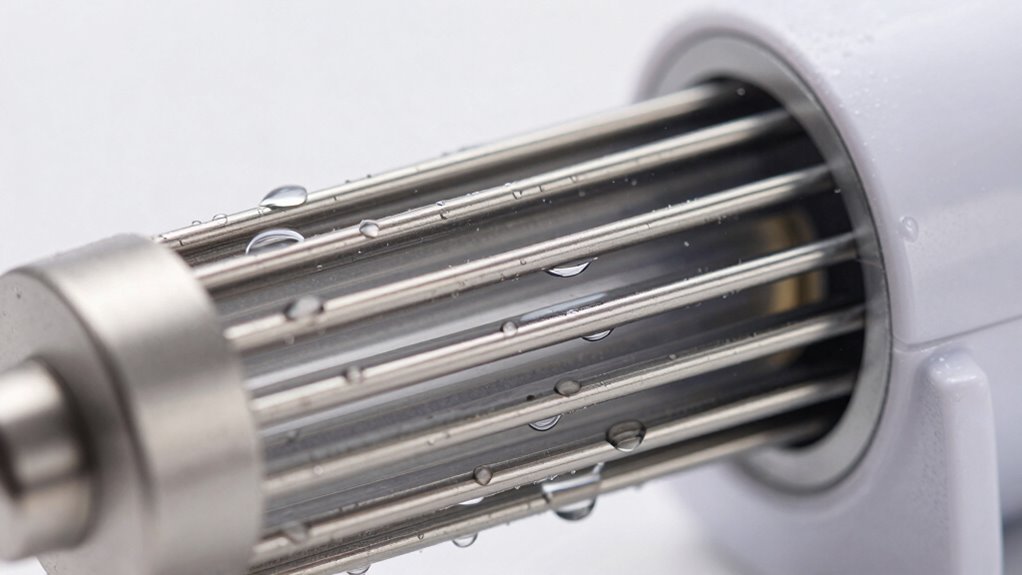
When it comes to achieving ideal spray results in various applications, a moisture separator can be your best ally. Whether you’re painting, applying pesticides, or using any spray equipment, controlling moisture is essential. Excess moisture can lead to drips, uneven coverage, and even damage to your equipment. By incorporating a moisture separator into your setup, you’re taking a significant step towards enhancing spray efficiency.
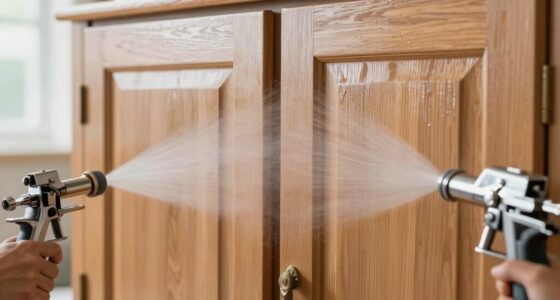
Imagine you’re in the middle of a project, and your spray gun starts sputtering. That’s often a sign of moisture buildup in your air supply. A moisture separator effectively removes water vapor from compressed air, ensuring that only dry air reaches your spray equipment. This means you can maintain consistent pressure and flow, which are critical for achieving smooth, even finishes. Think about how frustrating it is to redo a job because of moisture issues—having a reliable moisture separator can save you time and effort.
A moisture separator ensures dry air reaches your spray equipment, preventing sputtering and saving you time on rework.
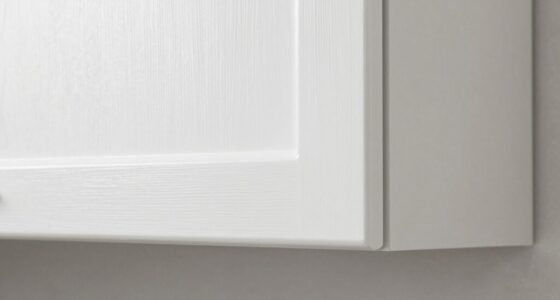
Using a moisture separator isn’t just about preventing problems; it’s also about boosting your overall output. With enhanced moisture control, you’ll notice improved adhesion of paints and coatings. When moisture is kept at bay, your materials bond better to the surface, reducing the likelihood of peeling or flaking later on. This is especially important for outdoor applications where environmental factors come into play. You want your work to last, and proper moisture management is fundamental. Proper moisture control can prevent costly rework and improve the durability of your finished projects.
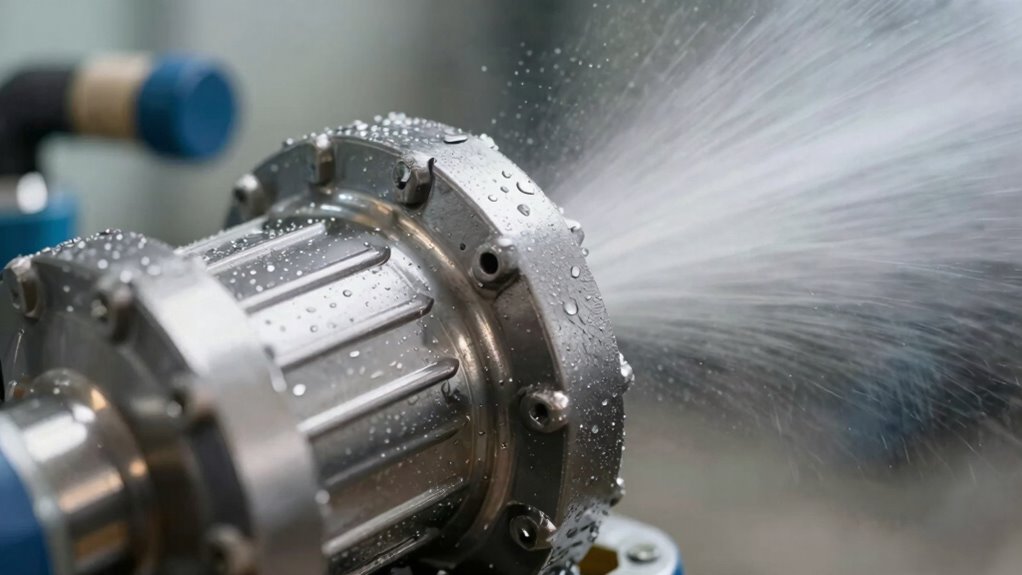
Moreover, a moisture separator can extend the lifespan of your spray equipment. Moisture can lead to rust and corrosion, which can compromise your tools and increase maintenance costs. By filtering out moisture, you’re proactively protecting your investment and ensuring that your equipment operates at peak performance. This means fewer repairs and replacements, ultimately saving you money in the long run. Regular maintenance and proper air filtration are crucial for optimal equipment longevity.
You might think that adding a moisture separator is an extra step, but it’s an indispensable one. The initial setup may take a bit of time, but once it’s in place, you’ll reap the benefits immediately. Your spray jobs will look more professional, and you’ll enjoy the satisfaction of knowing you’ve eliminated a common issue that plagues many in the field. Proper moisture management is a fundamental concept that can significantly improve your results. Additionally, understanding the importance of air quality in spray applications can help you make more informed choices about your equipment and setup. Ensuring moisture removal is a key part of achieving high-quality finishes and maintaining equipment efficiency.
moisture separator for compressed air
As an affiliate, we earn on qualifying purchases.
As an affiliate, we earn on qualifying purchases.
Frequently Asked Questions
How Does a Moisture Separator Work in Spray Applications?
A moisture separator works by removing excess water from the air before it reaches your spray equipment. By ensuring moisture control, it helps maintain ideal spray efficiency. You’ll notice that your spray patterns become more consistent and effective, reducing the risk of clogs and uneven application. This means you get better results in less time, making your spraying tasks smoother and more productive. You’ll appreciate the difference in your finished projects!
What Maintenance Is Required for a Moisture Separator?
To keep your moisture separator functioning well, you need regular maintenance. Start with separator cleaning every few weeks to remove any buildup. Don’t forget to check the filter; replacing it as needed guarantees peak performance. Keeping an eye on these tasks helps maintain efficiency and improves spray results. By staying proactive, you’ll extend the lifespan of your equipment and achieve better outcomes in your applications.
Can I Install a Moisture Separator Myself?
Yes, you can install a moisture separator yourself with some DIY installation skills. First, gather the tools needed, like a wrench, pipe cutter, and screwdriver. Make certain you read the manufacturer’s instructions carefully, as they’ll guide you through the process. Confirm you shut off any water or air supply before starting. With patience and attention to detail, you’ll have your moisture separator up and running in no time!
What Are the Signs of a Failing Moisture Separator?
If you’ve got moisture buildup in your system, it could mean your moisture separator’s failing. Did you know that even a small percentage of moisture can reduce separator efficiency by up to 30%? Watch for signs like inconsistent spray patterns, increased maintenance needs, or visible water accumulation. If you notice any of these, it’s time to assess your separator’s performance. Ignoring the issue could lead to bigger problems down the line.
How Does Humidity Affect Spray Performance?
Humidity levels greatly affect your spray performance. When humidity’s high, moisture mixes with your spray materials, leading to inconsistent application and uneven results. You might notice that your spray consistency suffers, making it harder to achieve a smooth finish. On the other hand, low humidity can cause quick drying, which might lead to issues like cracking. Keeping an eye on humidity levels helps guarantee you get the best spray results possible.
Conclusion
By incorporating a moisture separator, you’re not just enhancing your spray results—you’re transforming your entire approach to the task. Imagine the satisfaction of seeing perfect, even coverage with every application. This simple addition can save you time and frustration, making your project smoother and more efficient. So, don’t just spray and pray; take the leap and elevate your results. With a moisture separator, you’ll wonder how you ever managed without it!
Fall yard work Picks
leaf blowers
As an affiliate, we earn on qualifying purchases.