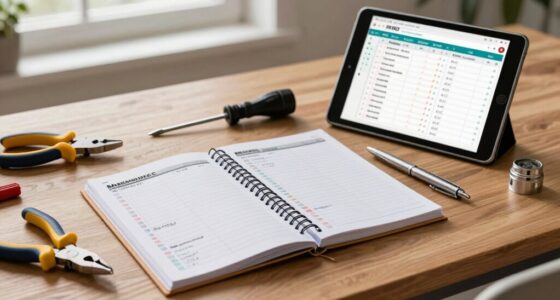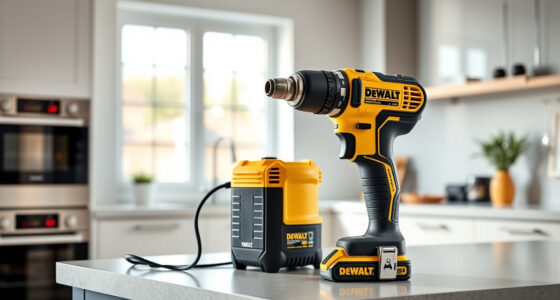
Even accurate tools need regular checks because their precision can degrade over time from wear, environmental factors, and use. Small deviations often go unnoticed but can lead to costly errors or safety hazards. Routine inspections and calibration help catch issues early, ensuring your tools stay reliable. Proper storage and maintenance also extend their lifespan. If you want to keep your tools at peak performance and avoid avoidable problems, there’s more to discover below.
Key Takeaways
- Tools can drift from calibration over time due to wear, environmental factors, or usage, affecting accuracy.
- Regular checks detect early signs of wear or damage before they lead to measurement errors.
- Even sturdy-looking tools require calibration to ensure consistent and reliable results.
- Routine inspections prevent costly repairs and maintain safety standards in critical applications.
- External conditions and environmental influences can cause gradual tool degradation, necessitating ongoing monitoring.
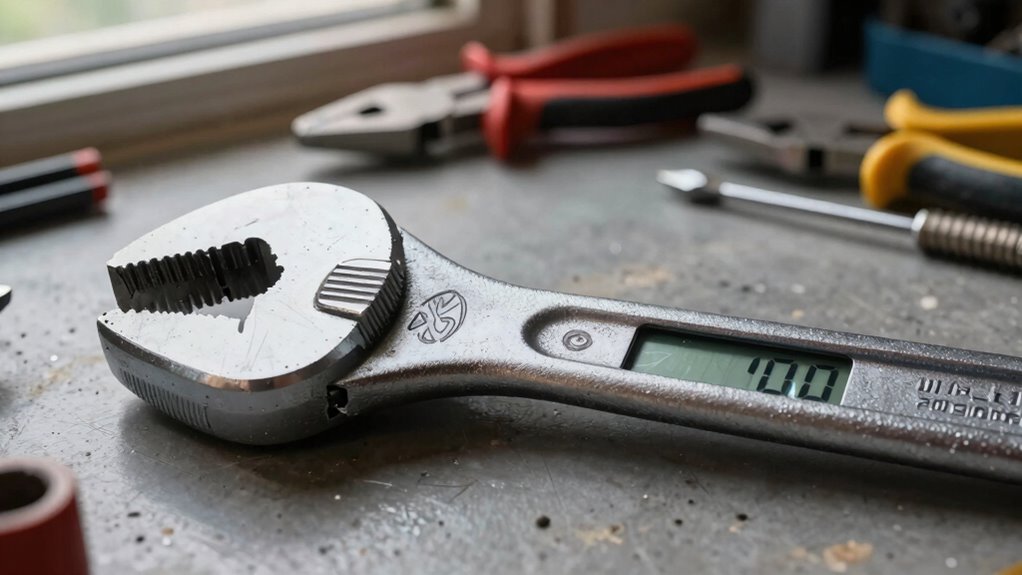
Even though tools may seem sturdy and reliable, they still require regular checks to stay safe and effective. Over time, even the toughest tools can lose calibration accuracy, which directly impacts their performance. If a measuring device or precision instrument isn’t checked regularly, small deviations can go unnoticed, leading to inaccurate results and potentially dangerous mistakes. Proper calibration ensures your tools give correct readings, maintaining the quality of your work and adhering to safety standards. It’s easy to assume that a tool working fine today will stay accurate forever, but wear and tear gradually diminish precision. Continuous use subjects tools to stress, friction, and environmental factors that cause components to shift or degrade. For example, a wrench might loosen slightly at its joints, or a digital caliper’s sensors could drift, both of which compromise accuracy. Ignoring these signs of wear and tear can result in flawed measurements, which could be costly or dangerous, especially in fields like manufacturing, healthcare, or construction. Regular checks help catch issues early before they escalate. You need to inspect your tools frequently, looking for signs of damage or deterioration that could affect calibration accuracy. This might include visual cues like rust, cracks, or worn-out grips, but also functional checks—testing a tool against a known standard or reference. When you notice discrepancies, it’s a clear sign that recalibration or repairs are needed. Maintaining consistent calibration accuracy isn’t just about precision; it’s also about safety. Inaccurate tools can lead to faulty products, compromised safety protocols, or even personal injury. That’s why scheduling regular calibration and maintenance checks should be part of your routine, especially if your work relies heavily on precise measurements. Additionally, environmental factors play a role in how quickly wear and tear affect your tools. Humidity, temperature fluctuations, and exposure to chemicals can accelerate deterioration, so you should store your tools properly and check them more often in challenging conditions. Proper calibration processes are vital to maintaining the accuracy and safety of your tools over time. Regularly updating your knowledge on laboratory equipment maintenance can also help extend the lifespan of your tools and reduce downtime. It’s important to remember that even in controlled environments, instrument drift can occur gradually, making routine inspections essential. External factors such as environmental conditions can also influence how quickly tools degrade, making routine checks even more crucial in certain settings. Over time, even the best-made tools will drift from their original calibration. By staying vigilant and performing routine checks, you ensure your tools remain reliable, accurate, and safe to use. Remember, tools aren’t just about functionality—they’re about trust in your results. Regular inspection and maintenance aren’t optional; they’re essential steps to keep your tools performing at their best, safeguarding your work and everyone involved.
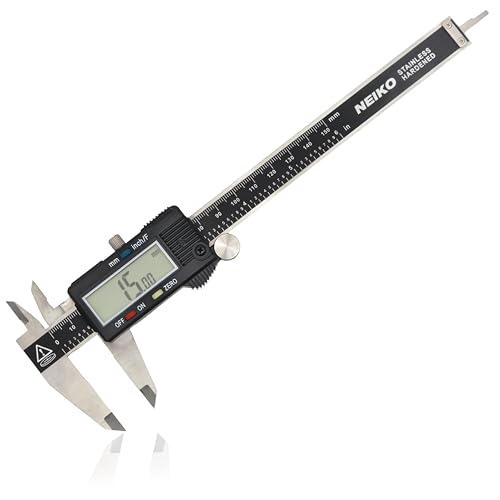
NEIKO 01407A Electronic Digital Caliper Measuring Tool, 0 to 152 Mm, Stainless Steel Construction with Large LCD Screen, Quick Change Button for Inch Fraction Millimeter Conversions, 1 Count
- Multi-Function Measurement: Switches between inch, fraction, and millimeter modes
- Wide Measurement Range: 0 to 6 inches or 0 to 150 mm
- High Precision: 0.0005 inch / 0.01 mm resolution
As an affiliate, we earn on qualifying purchases.
As an affiliate, we earn on qualifying purchases.
Frequently Asked Questions
How Often Should Tools Be Checked for Accuracy?
You should check your tools for accuracy regularly, ideally following the manufacturer’s recommended calibration procedures. For precision tools, conduct calibration at least once a year or after any impact or major use. Routine tool maintenance also involves visual inspections before each use to catch wear or damage. Consistent calibration and maintenance guarantee your tools remain reliable, helping you avoid errors and maintain safety standards.
What Are Common Signs Tools Need Calibration?
You’ll notice your tools need calibration when measurements become inconsistent or deviate from expected results, despite proper tool maintenance. Signs include erratic readings, difficulty achieving precise measurements, or tools not returning to zero. Regular calibration techniques help catch these issues early, ensuring accuracy. Recognizing these signs is essential for maintaining reliability and precision in your work, preventing costly errors and ensuring your tools perform at their best over time.
Can Inaccurate Tools Cause Safety Hazards?
Inaccurate tools can definitely cause safety hazards because they compromise precision, leading to mistakes or failures. Regular tool maintenance is essential to guarantee calibration remains accurate, preventing unsafe conditions. Neglecting safety protocols and failing to check tools regularly increases risks of accidents or injuries. You must routinely verify your tools’ accuracy to maintain safety standards, protect workers, and ensure reliable results in every task.
What Tools Require the Most Frequent Inspections?
You should prioritize inspecting tools like torque wrenches, measuring devices, and power tools regularly. These tools directly impact safety and precision, so proper tool maintenance and strict inspection schedules are essential. Frequent checks ensure accuracy and prevent failures. Without consistent inspections, tools may become unreliable, leading to accidents or faulty work. Stay proactive by adhering to your inspection schedules, and always verify your tools before use to maintain safety and efficiency.
How Do You Properly Calibrate Precision Instruments?
You should regularly calibrate your precision instruments to guarantee measurement accuracy, as studies show 70% of measurement errors stem from calibration issues. To do this, follow proper calibration procedures aligned with established measurement standards. First, select the appropriate calibration equipment, then compare your instrument’s readings against a certified reference. Adjust the instrument accordingly, document the process, and verify accuracy after calibration to maintain reliable, precise measurements.
Conclusion
Even the most advanced tools can turn into time bombs if you ignore regular checks. Imagine trusting a scale that’s suddenly off by a pound, or a meter that’s been secretly drifting out of alignment — chaos ensues! Don’t let your precision slip into disaster. You need to stay one step ahead, constantly verifying and maintaining your tools. Because if you don’t, you might as well be throwing your hard-earned results to the wind!