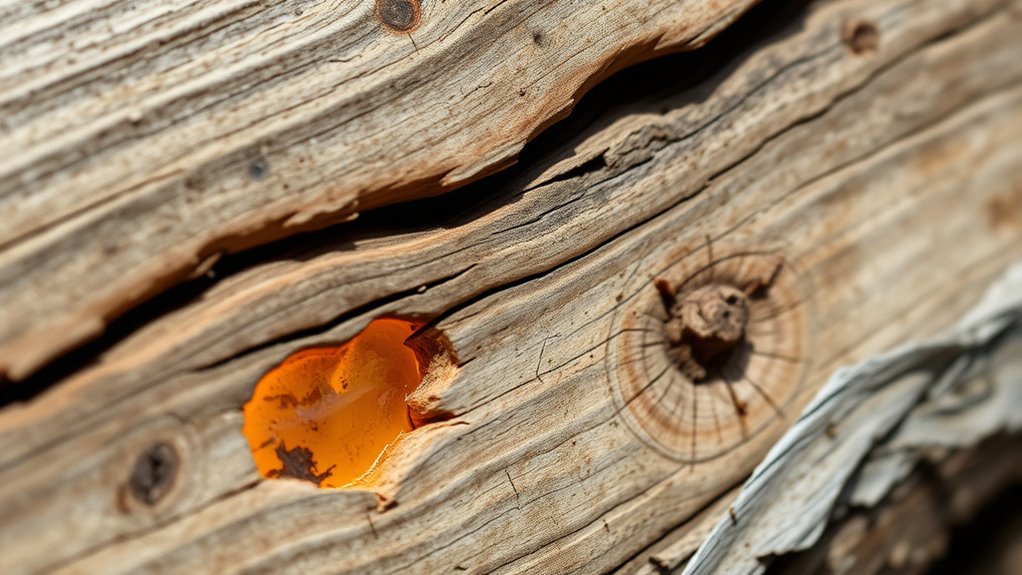
When working with pine, you’ll notice its softness makes it easy to cut and shape, but it also dents or scratches more easily. Pitch pockets can appear randomly and may bleed through stain or paint, so sealing or filling them helps prevent issues. Using a conditioner before finishing helps avoid blotching and ensures a smoother result. Paying attention to these factors can make your project look professional—keep exploring to learn more tips for working with pine.
Key Takeaways
- Use wood conditioner or pre-stain sealer to prevent blotching caused by pine’s uneven grain absorption.
- Fill pitch pockets with wood filler or sealant to avoid bleed-through during staining or painting.
- Sand thoroughly with medium and fine grit to smooth the surface and prepare for finishing.
- Apply thin coats of stain or finish, allowing ample drying time to achieve an even, professional look.
- Handle pine carefully to avoid dents and scratches, which are more noticeable given its softness.
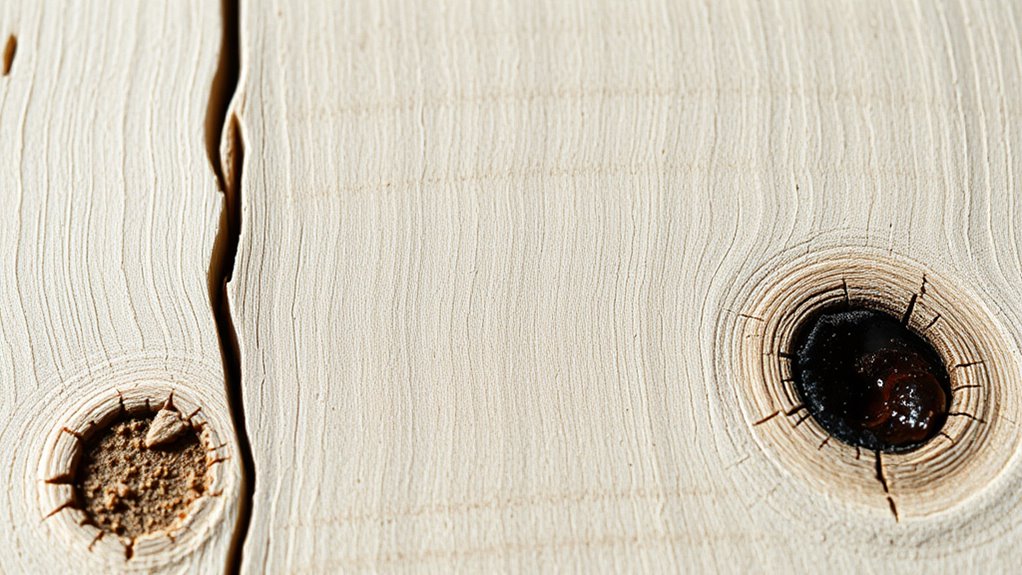
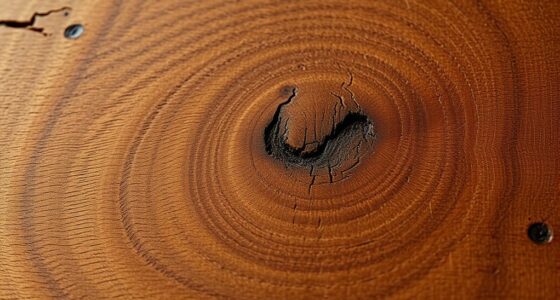
Have you ever wondered why pine is such a popular choice for woodworking projects? One reason is its appealing grain patterns, which give each piece a unique character. The grain tends to be straight and pronounced, making it easy to see the natural beauty of the wood. When you work with pine, you’ll notice the subtle variations and knots that add charm and authenticity to your projects. However, these very grain patterns can also pose challenges, especially when it comes to finishing techniques. Pine’s soft texture means it absorbs stain and paint unevenly if you’re not careful, so understanding how to handle its grain is essential for achieving a smooth, professional look.
The softness of pine is both a benefit and a drawback. It’s easy to cut, carve, and shape, making it ideal for beginners or intricate designs. But this same softness means it’s more prone to dents and scratches during handling. When working with pine, pay close attention to your finishing techniques. Because the grain can be uneven, using a wood conditioner or a pre-stain sealer helps to even out absorption. This step minimizes blotching and results in a more consistent finish. Sanding is also critical; start with a medium grit and finish with a fine grit to prepare the surface. Take your time and avoid rushing, as deep scratches or rough patches can be highlighted after staining.
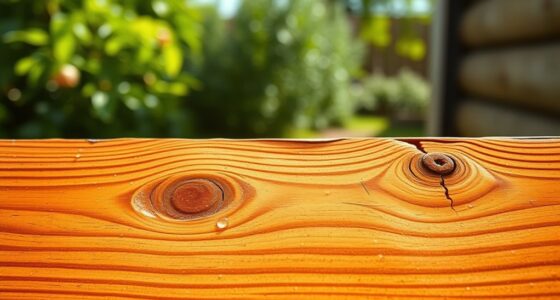
Pine’s grain patterns and natural pitch pockets add character but can complicate finishing. Pitch pockets are small resin-filled cavities that appear randomly throughout the wood. They can bleed through paint or stain, creating dark spots that detract from your final look. To prevent this, you might need to fill these pockets with wood filler or use a sealing primer before applying your finish. Additionally, understanding how to work with pine’s grain patterns allows you to choose the right finishing techniques. For example, wiping on a stain or oil-based finish rather than brushing may result in more control and less uneven absorption. Applying thin coats and allowing ample drying time helps to prevent blotching and ensures your project’s surface looks smooth and polished. Recognizing the grain pattern can help you plan your sanding and finishing steps more effectively.

Varathane Pre-Stain Wood Conditioner
- Prepares wood for even stain color: Pre-stain wood conditioner preps wood for even color
- Fast-drying, easy-to-use formula: Easy to use, water-based formula dries fast for quick project completion
- Reduces blotching on soft woods: Low odor wood conditioner prevents blotching on soft woods and ensures a high quality finish
As an affiliate, we earn on qualifying purchases.
As an affiliate, we earn on qualifying purchases.
Frequently Asked Questions
How Does Pine Compare to Other Softwoods in Durability?
Pine is generally less durable than many other softwoods due to its lower wood density, making it more prone to dents and scratches. However, it has natural resistance to pests and decay, especially in heartwood form. You should consider how you plan to use it; for high-traffic or outdoor projects, other softwoods with higher density and better natural resistance might be more suitable for lasting durability.
Can Pitch Pockets Affect the Structural Integrity of Pine Furniture?
Imagine delicate veins of sap running through your pine furniture—pitch pocket formation can weaken its structure. These pockets, when extensive, create weak spots that might compromise the piece’s stability over time. While minor pitch pockets usually don’t pose significant structural implications, large or numerous ones could lead to cracking or splitting, especially under stress. So, it’s wise to inspect and address them to maintain your furniture’s integrity.
What Are the Best Finishing Techniques for Pine With Pitch Pockets?
To conceal pitch pockets in pine, you should use effective finishing techniques like filling them with wood filler or a tinted epoxy resin that matches the wood. Sand the surface smooth after filling for a seamless look. Applying a stain or finish afterward helps blend the pitch pockets with the surrounding wood, creating a uniform appearance. This approach guarantees your pine furniture looks polished while minimizing the visual impact of pitch pockets.
How Do Pitch Pockets Impact Pine’s Resistance to Pests?
Pitch pockets can weaken pine’s resistance to pests because they create irregular pitch pocket formation, which provides easy pest infiltration pathways. These pockets make it easier for insects and fungi to penetrate the wood, compromising its durability. To protect pine, it is crucial to fill or seal pitch pockets during finishing, reducing pest access and strengthening the wood’s defenses against infestations.
Is Pine Suitable for Outdoor Projects Despite Its Softness?
Yes, pine is suitable for outdoor projects, but you need to take into account its softness and weather resistance. Pine can handle outdoor conditions if properly treated and sealed, helping to improve its durability against moisture and pests. Regular maintenance tips include applying sealants annually, checking for signs of wear, and re-staining as needed. This proactive approach ensures your pine outdoor projects stay protected and last longer despite exposure to the elements.
Conclusion
As you work with pine, imagine the soft, inviting glow of freshly sanded wood, its natural beauty shining through. Feel the gentle give beneath your tools, and notice the tiny pitch pockets, like secret treasures hiding within. With each cut and finish, you’re bringing out the warmth and character that make pine so special. Embrace the process, and let the wood’s natural charm fill your space with a cozy, timeless feel.