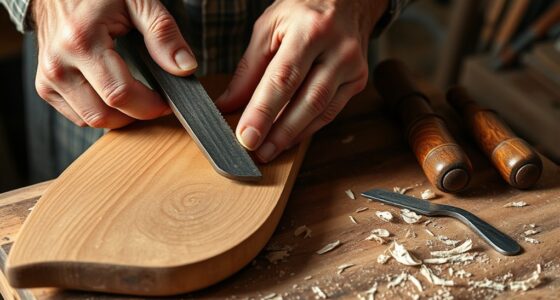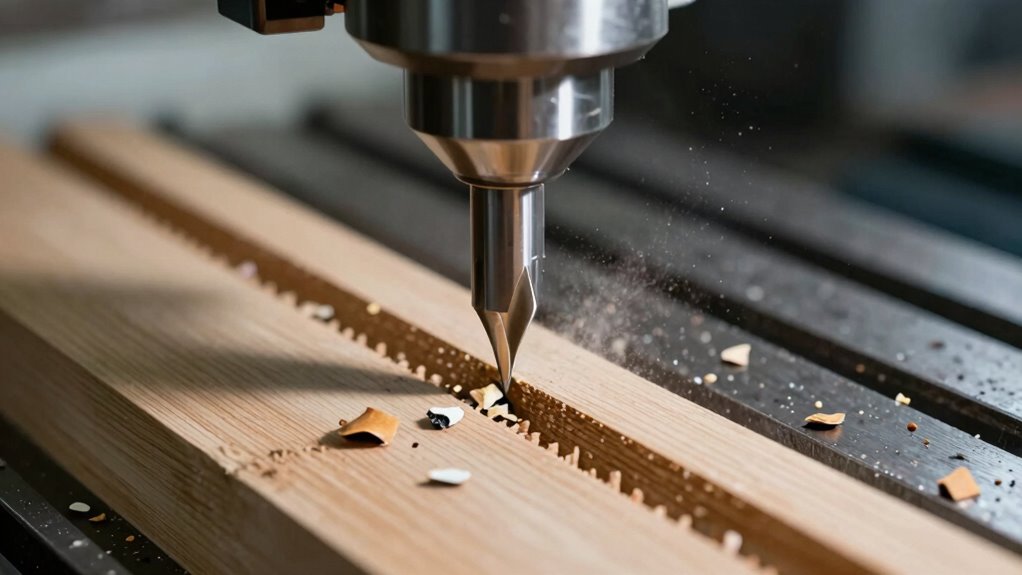

In CNC projects, dust, chip load, and tool choice are closely connected. When you select the right tool for your material, it helps manage chip load effectively, ensuring a quality finish. If your chip load’s too low or too high, you could face overheating or poor results, leading to more dust. Managing dust is essential for safety and performance. As you explore further, you’ll uncover more tips to enhance your CNC machining outcomes.

Get tools and workshop supplies delivered free — and shop member deals
- Fast, free delivery on millions of items
- Access to Prime Big Deal Days deals on October 6–7
- Prime Video, Amazon Music and more included
Key Takeaways
- Dust generation varies by material; hardwoods produce more dust, affecting cleanup and safety during CNC projects.
- Proper chip load, influenced by tool choice and feed rates, ensures effective material removal and prevents overheating.
- Selecting the right tool for specific materials minimizes dust production and enhances machining quality.
- Dull tools can increase dust and lead to poor chip load, negatively impacting project outcomes.
- Effective dust management and regular tool maintenance are essential for maintaining safety and project efficiency.
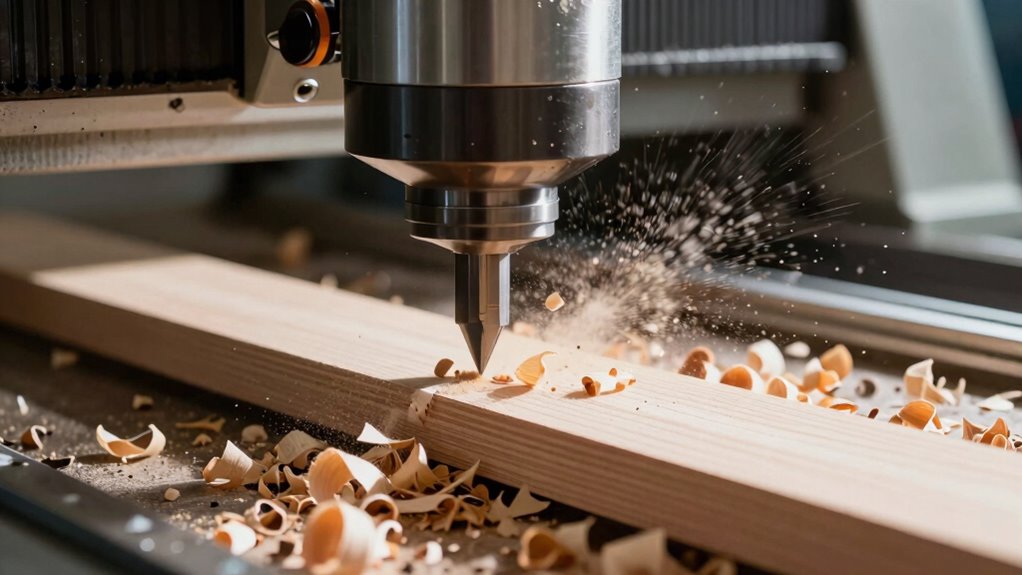
CNC projects can transform your creative ideas into tangible realities. When you explore the world of CNC machining, understanding how dust, chip load, and tool choice interact is essential for achieving high-quality results. Each of these elements plays an important role in the overall success of your project, affecting everything from the finish quality to the longevity of your tools.
First, let’s talk about CNC materials. Different materials behave differently when machined. For instance, hardwoods produce more dust than metals, while softer materials can generate larger chips. This is where chip load comes into play; it refers to the amount of material removed by each cutting edge during a rotation. You’ll want to adjust your feed rates according to the material you’re working with to guarantee ideal chip load. If it’s too low, you might create excessive heat; if it’s too high, your finish can suffer. Proper cutting parameters are vital to optimize your machining process.
Different CNC materials behave uniquely; adjusting feed rates for chip load is crucial for optimal results.
Precision settings are crucial. You need to verify that your machine is calibrated correctly to handle the chosen materials and desired chip load. This means maximizing your software settings for the specific project. Software optimization can streamline your workflow, allowing you to input the right feed rates and speeds based on the tool and material. During project planning, don’t forget to reflect on these variables to set yourself up for success. Additionally, paying attention to dust management can help maintain a cleaner workspace and improve overall safety.
Tool choice is another key factor. Different tools are designed for specific tasks, and selecting the right one can greatly impact your project’s outcome. Regular tool maintenance is essential to keep them sharp and effective. Dull tools not only compromise the quality of your cuts but can also lead to increased dust and poor chip load, ultimately causing more wear and tear. Additionally, understanding chip load helps in choosing the appropriate tools to maximize efficiency and minimize tool wear.
Safety protocols should always be at the forefront of your CNC work. The dust generated during machining can be hazardous, so wearing appropriate safety gear and maintaining a clean workspace is essential. Regularly check dust collection systems to confirm they’re functioning correctly.
As an affiliate, we earn on qualifying purchases.
Frequently Asked Questions
How Can I Reduce Dust During CNC Machining?
To reduce dust during CNC machining, you should invest in effective dust control measures like vacuum systems. Position a high-quality vacuum close to your machine to capture debris as it’s produced. You can also use dust extraction attachments on your tools. Regularly clean your workspace to minimize accumulation and consider using materials that generate less dust. By implementing these strategies, you’ll create a cleaner, safer work environment that enhances your machining efficiency.
What Materials Produce the Most Dust When CNC Cutting?
When you think of a snowstorm, MDF dust might come to mind—it’s notorious for creating a fine, powdery mess during CNC cutting. Acrylic debris can also be a nuisance, leaving behind sharp particles that cling to everything. Don’t forget wood shavings, which can pile up quickly, and plastic particles that scatter everywhere. Each of these materials contributes to significant dust, making effective cleanup essential for a smooth CNC experience.
How Does Chip Load Affect Tool Lifespan?
Chip load greatly affects tool lifespan. When you set the chip load too high, it increases tool wear, leading to premature failure. Conversely, a lower chip load can enhance machining efficiency by allowing the tool to cut smoothly without excessive strain. Finding the right balance helps maintain tool durability while optimizing performance. Regularly monitoring chip load during operations guarantees your tools last longer and keeps your CNC projects running smoothly.
Can I Use the Same Tool for Different Materials?
You can certainly use the same tool for different materials, but it’s crucial to take into account its versatility and the compatibility with each material. While one tool may perform admirably on wood, it might falter on metal. It’s wise to evaluate the specific requirements of each material to guarantee peak performance. By doing so, you’ll extend the tool’s lifespan and achieve superior results in your projects. Always keep material characteristics in mind!
What Is the Best Way to Clean CNC Equipment?
To keep your CNC equipment in top shape, clean it after every use. Regular cleaning helps prevent dust buildup and guarantees smooth operation. Use a vacuum to remove chips, and wipe down surfaces with a lint-free cloth. For deeper cleaning, check manufacturer guidelines for specific recommendations. Incorporating these CNC maintenance tips will extend your machine’s lifespan. Remember, consistent cleaning frequency is key to avoiding costly repairs and downtime.
Conclusion
In the world of CNC projects, dust, chip load, and tool choice are like a symphony; each element must harmonize for a flawless performance. If you ignore one, the whole project can fall out of tune, leading to subpar results. By understanding how these factors interact, you can create beautifully crafted pieces that resonate with precision. So, keep your workspace clean, choose the right tools, and pay attention to chip load to hit all the right notes in your creations.
Fall Picks
fall essentials
As an affiliate, we earn on qualifying purchases.