
Pioneer woodworkers have profoundly shaped the craft through their innovative techniques, craftsmanship, and technological advances. They transformed simple lumber into artful and functional pieces, developing tools and methods that set new standards. Their mastery kept tradition alive while pushing creativity forward. These trailblazers laid the groundwork for modern woodworking, inspiring ongoing innovation. If you’re curious about how their legacy continues today, the story of these influential figures offers fascinating insights into the evolution of the craft.
Key Takeaways
- Early woodworkers pioneered joinery, carving, and finishing techniques that laid the foundation for modern craftsmanship.
- Inventors of essential tools like the dovetail joint and specialized saws advanced woodworking precision and durability.
- Innovators designed and improved machinery such as lathes and planes, transforming woodworking into a sophisticated art form.
- Skilled artisans documented techniques and passed knowledge through manuals and apprenticeships, ensuring legacy preservation.
- Their pioneering work established standards and inspired ongoing innovation, shaping contemporary woodworking practices.
Have you ever wondered how masterful woodworkers create timeless pieces? The answer lies in their ability to blend woodworking innovations with legendary craftsmanship. Throughout history, pioneer woodworkers have pushed the boundaries of what’s possible, transforming simple lumber into works of art and functional masterpieces. These individuals didn’t just follow tradition; they challenged it, developing new techniques and tools that revolutionized the craft. Their ingenuity laid the foundation for modern woodworking, inspiring generations to refine skills and pursue excellence.
Masterful woodworkers blend innovation and craftsmanship to transform lumber into timeless works of art.
Many of these trailblazers pioneered techniques that are now standard in woodworking shops worldwide. They experimented with joinery, carving, and finishing methods, often inventing tools that made their work more precise and efficient. For instance, the development of the dovetail joint—a hallmark of craftsmanship—was refined by early artisans seeking stronger, more elegant connections. Such innovations not only improved the durability of furniture but also elevated the aesthetic standards of the craft. Their relentless pursuit of perfection exemplifies legendary craftsmanship, setting a high bar for all who follow.
These pioneers also played an essential role in advancing woodworking technology. They designed and improved saws, planes, and lathes, enabling them to execute intricate details and complex designs that were previously impossible. Their inventive spirit transformed woodworking from a manual trade into a sophisticated art form. You can see their influence in the ornate furniture and architectural elements that still stand today, testaments to their skill and vision. Their work served as a blueprint for future artisans, demonstrating that innovation and tradition could coexist and thrive together.
Moreover, these legendary craftsmen often kept meticulous records of their techniques, passing down their knowledge through apprenticeships and written manuals. This transfer of knowledge helped preserve their innovations and ensured that their influence endured through generations. Their ability to adapt and improve upon existing methods highlights their mastery and dedication to the craft. They understood that woodworking was more than just assembling pieces; it was about creating enduring beauty and utility. Their innovations continue to shape the craft and inspire new generations of woodworkers to explore and refine their skills.
In essence, these pioneer woodworkers shaped the very foundation of woodworking as we know it. Their innovations and legendary craftsmanship continue to inspire today’s artisans, encouraging a spirit of creativity and continuous improvement. When you work with wood today, you’re standing on the shoulders of these visionaries—builders who dared to dream bigger and craft better. Their legacy proves that woodworking is an evolving art, driven by innovation and fueled by a passion for excellence.

SUIZAN Dozuki Dovetail Saw 6" Crosscut – Professional Japanese Pullsaw Handsaw Woodworking Tools
JAPANESE STYLE PULL SAW: This product is a “Pull Saw.” Most people are used to European saws, called…
As an affiliate, we earn on qualifying purchases.
As an affiliate, we earn on qualifying purchases.
Frequently Asked Questions
What Tools Did Early Pioneer Woodworkers Primarily Use?
You primarily used hand tools like chisels, saws, and planes to craft your woodworking projects. These tools allowed you to shape and join wood with precision, relying on traditional techniques passed down through generations. You mastered techniques such as carving, smoothing, and fitting, all performed with simple, manual tools. These tools and skills gave you control and craftsmanship that defined early pioneering woodworking, making each piece unique and durable.
How Did Pioneer Woodworkers Influence Modern Carpentry Techniques?
Did you know that over 60% of modern carpentry techniques trace back to pioneer woodworkers? They revolutionized timber framing and traditional joinery, setting standards still used today. Their innovative methods, like precise hand tools and durable joints, influence how you build furniture and structures. You can appreciate their impact when you see craftsmanship rooted in centuries-old practices, blending history with modern precision to create strong, lasting works.
Were There Any Notable Women Pioneer Woodworkers?
Yes, women pioneers profoundly influenced woodworking and craftsmanship. You should know that female craftsmanship often went unrecognized, but women like Sarah Guernsey and Annie Ford broke barriers, showcasing skill and innovation. They proved that women could excel in this field, inspiring future generations. Your appreciation for their contributions helps recognize the essential role women played in shaping woodworking history and encourages more inclusive participation today.
What Challenges Did Pioneer Woodworkers Face in Frontier Environments?
You faced tough challenges in frontier environments, where resource scarcity meant limited supplies and tools, making every project harder. Hazardous working conditions, like unstable structures and unpredictable weather, increased risks of injury. Despite this, pioneer woodworkers used ingenuity and resilience to craft essential structures, often working with rudimentary tools and minimal support. These hardships tested your skills and determination, shaping the resilient spirit of frontier craftsmanship.
How Are Pioneer Woodworker Techniques Preserved Today?
You can preserve pioneer woodworker techniques today through woodworking apprenticeships that teach traditional methods. Preservation methods like documenting skills, creating detailed plans, and practicing hands-on craftwork keep these techniques alive. By participating in apprenticeships, you gain firsthand experience, ensuring these historical skills are passed down. Engaging in community workshops and sharing knowledge also helps maintain the legacy of pioneer woodworking techniques for future generations to learn and appreciate.

JORGENSEN No.101 Mini Wood Planer – Mini Hand Planer for Woodworking, Block Plane, Small Hand Plane for Trimming, Wood Planing, Craft, Professional Ductile Iron Body, Adjustable Cutting Depth
Professional Level Blade: The blade is made of professional level O1 tool steel, improving cutting efficiency while minimizing…
As an affiliate, we earn on qualifying purchases.
As an affiliate, we earn on qualifying purchases.
Conclusion
As you explore the legacy of pioneer woodworkers, remember their innovations still influence your craft today. It’s easy to think history doesn’t matter in modern woodworking, but their techniques and passion still inspire every cut and joint you make. Embracing their lessons doesn’t mean you’re stuck in the past; it means you’re building on a foundation that’s stood the test of time. Keep learning from these pioneers, and your craftsmanship will only grow stronger.
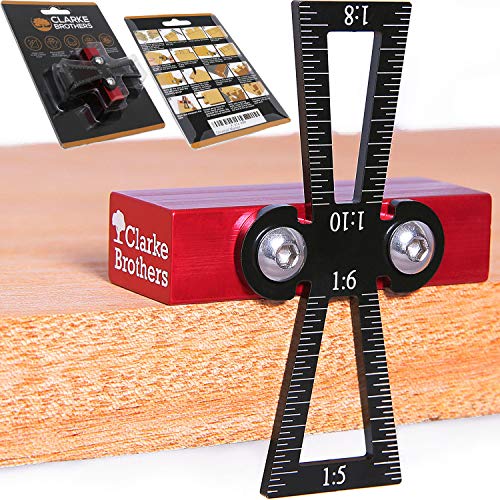
Dovetail Marker – Wood Dovetail Tool – Woodworking Hand Tool for Crafts – Precise Dovetail Guide with 1:5, 1:6, 1:8 and 1:10 Slopes – Extra-Large Body – Ergonomic Design
PATENT PENDING – PRECISE TOOL: Cutting dovetail joints is easier than ever before with our dovetail marker! This…
As an affiliate, we earn on qualifying purchases.
As an affiliate, we earn on qualifying purchases.

Wood Carving Kit Whittling Kit: Deluxe Wood Carving Tools Knife Set with Leather Case – Woodworking Hobby Kit for Beginners Adults Kids – DIY Art Craft Gift for Men Teens
[Wood Carving Kit Deluxe Edition] BLUVIZO wood carving set provides everything for beginners or professional needs: 4 carving…
As an affiliate, we earn on qualifying purchases.
As an affiliate, we earn on qualifying purchases.