To avoid burn and blotch when working with maple, control your temperature carefully—keep the boil steady and avoid high heat. Stir regularly and guarantee your equipment is clean to prevent impurities that cause discoloration. Use a quality evaporator with precise controls, and remove the syrup promptly once it reaches 219°F (104°C). For more tips on perfecting your syrup, explore steps that will help you produce a smooth, flavorful final product.
Key Takeaways
- Maintain steady, gentle heat and avoid rapid temperature increases during boiling.
- Stir regularly to prevent bottom burning and sticking, ensuring even heat distribution.
- Use a quality evaporator with precise temperature controls for consistent boiling.
- Remove syrup promptly at about 219°F (104°C) to prevent over-darkening and blotch formation.
- Keep equipment clean, sanitized, and well-maintained to reduce impurities that can cause scorching.
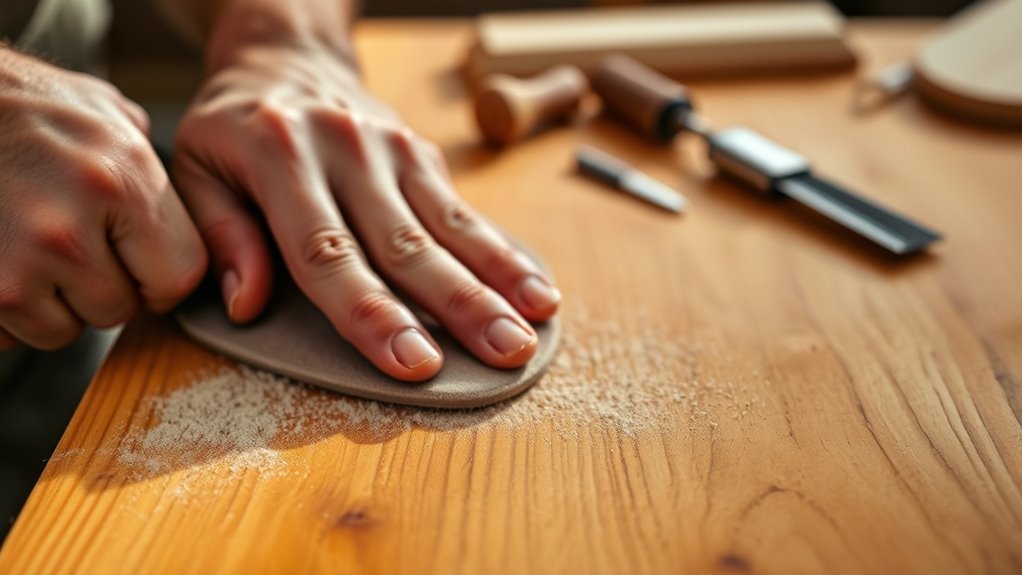
Are you ready to explore the powerful capabilities of Maple? Working with this versatile substance requires careful attention, especially when it comes to sap harvesting and syrup boiling. These steps are critical, and mishandling them can lead to issues like burn and blotch, which affect the quality of your final product. Understanding how to prevent these problems will help you produce smooth, flavorful syrup every time.
When you’re sap harvesting, timing and technique are everything. Collect sap during the right weather conditions—preferably when daytime temperatures rise above freezing and nights stay cold. This balance ensures your sap is rich in sugars and less prone to spoilage. Use clean, sanitized equipment to avoid introducing bacteria or debris, which can cause uneven boiling and increase the risk of scorching your syrup. As you gather sap, keep a close eye on collection containers, making sure they don’t overflow or sit exposed to dirt or insects. Properly stored sap will boil more consistently, reducing the chances of burning or developing blotchy patches during syrup production.
Once you’ve gathered enough sap, it’s time for syrup boiling. This process demands constant attention and control over heat. Too high a temperature, and you risk burning the syrup, which leaves a burnt flavor and unsightly dark patches. Too low, and the process takes longer, increasing the chance of impurities building up. Use a good-quality evaporator with temperature controls, and monitor the boiling process closely. Stir the syrup regularly to prevent sticking or scorching at the bottom of the pan. As the syrup thickens, watch for color changes—aim for the characteristic light to amber hue that indicates proper sugar concentration. Overboiling can lead to dark, bitter syrup, while underboiling can result in watery, weak-tasting product.
A key tip to avoid burn and blotch is to maintain a consistent, gentle boil. Avoid rushing the process by cranking up the heat, which often causes uneven heating and scorching. Keep your workspace well-ventilated, and ensure your equipment is clean and in good condition. When the syrup reaches the right temperature—around 219°F (104°C)—and the correct density, remove it from heat promptly. Cooling the syrup quickly after boiling also helps prevent blotches and ensures a smooth, uniform texture.
maple syrup evaporator with temperature control
As an affiliate, we earn on qualifying purchases.
As an affiliate, we earn on qualifying purchases.
Frequently Asked Questions
How Can I Identify Early Signs of Maple Burn?
You can identify early signs of maple burn by monitoring sap flow and overall tree health. Look for irregular sap flow patterns, such as reduced or uneven flow, which indicate stress. Also, check for wilting leaves, premature leaf drop, or discoloration. These symptoms suggest the tree is struggling, and catching them early helps prevent severe damage. Regularly observing your maple’s condition keeps you ahead of potential burn issues.
Are There Specific Maple Varieties Less Prone to Blotch?
Certain maple varieties, like sugar maples and red maples, tend to have lower blotch susceptibility compared to Norway maples or silver maples. If you’re looking to minimize blotch issues, choose these less prone varieties, especially in areas with high humidity or inconsistent watering. Selecting the right maple variety based on blotch susceptibility helps you maintain healthier, more vibrant trees, reducing the risk of blemishes and ensuring better overall growth.
What Tools Help Prevent Damage During Maple Tapping?
You can prevent damage during maple tapping by using proper tapping tools and following the best sap collection techniques. Sharp, clean spiles and drills reduce tissue trauma, while precise tapping minimizes bark tearing and sap loss. Always choose the right size drill bit, tap at the right angle, and keep tools sanitized. These steps help protect your trees, ensure healthy sap flow, and promote sustainable tapping practices.
How Does Weather Influence Maple Burn and Blotch Development?
Weather patterns and temperature fluctuations directly influence maple burn and blotch development. When temperatures swing rapidly, your trees become stressed, increasing the risk of burn and blotch. Cold nights followed by warm days can cause tissue damage, so you should monitor weather closely. By planning tapping during stable, moderate weather and avoiding extreme temperature swings, you can considerably reduce the chances of damaging your maple trees.
Can Organic Treatments Reduce Maple Blotch Occurrence?
You might wonder if organic treatments can truly curb maple blotch. The answer is yes, they can offer natural suppression when applied correctly. Organic remedies, like neem oil or compost tea, can reduce the incidence of blotch, but results vary. While they’re a safer alternative, consistency and timing are key. Keep experimenting with these natural options—you could find a solution that protects your maples effectively without harsh chemicals.
syrup boiling thermometer
As an affiliate, we earn on qualifying purchases.
As an affiliate, we earn on qualifying purchases.
Conclusion
By respecting maple’s delicate nature, you’re like a skilled gardener tending precious blooms—patience and care prevent burns and blotches from mar the beauty. When you work thoughtfully, each piece becomes a tribute to your craftsmanship, shining like a sun-kissed leaf in autumn’s embrace. So, handle your maple with gentle hands and keen eyes, turning raw wood into a masterpiece that whispers stories of nature’s grace. Your careful touch makes all the difference in creating something truly remarkable.
stainless steel syrup stirring paddle
As an affiliate, we earn on qualifying purchases.
As an affiliate, we earn on qualifying purchases.
syrup filtration and cleaning kit
As an affiliate, we earn on qualifying purchases.
As an affiliate, we earn on qualifying purchases.