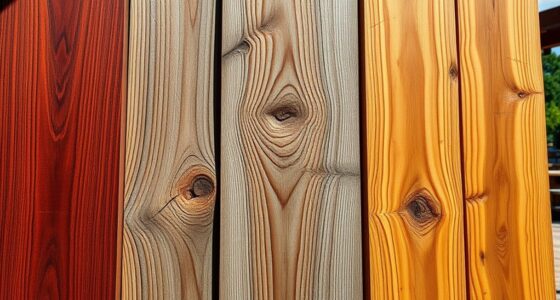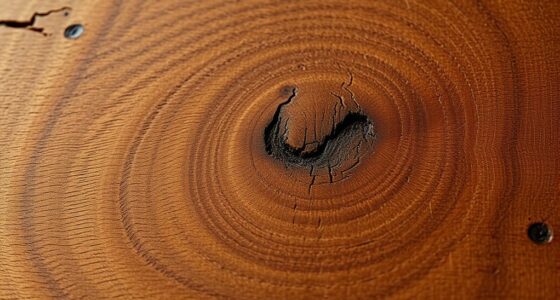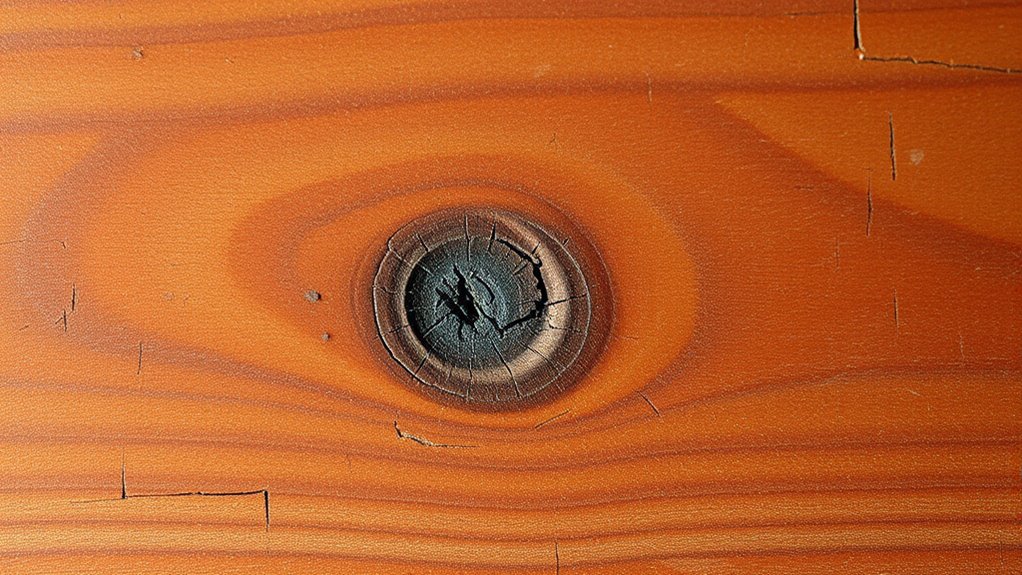

When working with cherry, you’ll notice it naturally deepens from a rosy pink to a rich, reddish-brown over time. To enhance this, use clear oil finishes like tung or Danish oil that penetrate deeply, enriching the color and adding a gentle sheen. Proper finishing and exposure to light or heat can speed the aging process, creating a beautiful patina that highlights the wood’s character. If you continue, you’ll discover precise techniques to guide and enjoy cherry’s evolving beauty.
Key Takeaways
- Cherry wood naturally darkens over time, developing a rich, reddish-brown patina through aging.
- Applying clear oil finishes like tung or Danish oil enhances warmth and accelerates color development.
- Controlled UV exposure or heat can speed up aging, promoting faster patina formation.
- Regular cleaning and light polishing encourage even aging and a desirable surface sheen.
- Embracing natural aging and patience ensures a warm, character-rich appearance that highlights craftsmanship.

Cherry wood is prized for its rich, warm hue and smooth grain, but its true character develops over time as it undergoes color changes and patina. When you work with cherry, understanding how to enhance and control these transformations can make a significant difference in your finished piece. The key lies in the finishing techniques you choose and the aging methods you employ. These approaches influence how the wood’s color evolves and how its surface develops that desirable patina.
Start by selecting finishing techniques that align with your aesthetic goals. For instance, if you want to emphasize the wood’s natural warmth, consider using a clear, oil-based finish such as tung oil or Danish oil. These penetrate deeply, enriching the cherry’s color and providing a subtle sheen. Applying a shellac or a polyurethane can also protect the surface while highlighting the grain’s smoothness. Keep in mind that the type of finish you select can impact how quickly and prominently the color change occurs as the wood ages. If you prefer a more rustic or aged look from the start, using a darker stain can simulate years of patina, but be cautious—staining can also obscure the wood’s natural beauty if overdone.
Aging methods are equally important for nurturing the developing patina. As cherry ages, it naturally darkens, deepening from a rosy pink to a rich, reddish-brown hue. To accelerate this process intentionally, you might expose the wood to controlled environmental conditions—such as UV light or slightly elevated temperatures—though this requires care to avoid damage. Alternatively, you can apply a finishing wax or a tint that mimics aged cherry, giving you a preview of the patina before it forms naturally. Regular cleaning and light polishing with oil or wax will also help develop a soft sheen and encourage a more even aging process. Additionally, eco-friendly finishes made from sustainable materials can support environmentally conscious woodworking practices.
Patina isn’t just about color; it’s about surface character too. As your cherry piece ages, the surface may develop a gentle sheen and slight variations in tone that add depth and character. To achieve this, some woodworkers prefer to leave the wood to age naturally, allowing time to do its work, while others may speed things up with specific aging techniques. Whichever approach you choose, patience combined with the right finishing choices will ensure your cherry piece gains the warm, inviting appearance that makes it such a prized material. Embrace the natural evolution of cherry, and your craftsmanship will be rewarded with a piece full of life and story.
Tung oil for cherry wood finish
As an affiliate, we earn on qualifying purchases.
As an affiliate, we earn on qualifying purchases.
Frequently Asked Questions
How Long Does Cherry Wood Take to Develop a Patina?
Cherry wood typically takes about 3 to 6 months to develop a noticeable patina through natural oxidation. The aging process depends on factors like exposure to light, air, and handling. As you work with it, you’ll see the rich, warm tones deepen over time, giving your piece a unique character. To speed up the process, you can apply finishes or expose the wood to sunlight, but patience naturally enhances its aging beauty.
Can Cherry Wood’s Color Change Be Reversed or Lightened?
Yes, you can lighten cherry wood’s color change by applying a wood stain with a lighter tone or using sanding techniques. Sand the surface gently to remove the darkened patina, then reapply a wood stain or finish that matches your desired color. This process helps reverse the deepening of the cherry’s hue, giving you more control over its appearance and allowing you to achieve a lighter, refreshed look.
What Are the Best Finishing Products for Cherry With Patina?
You should choose finishing products that enhance the patina and protect your cherry wood. Use finishing techniques like oil finishes or polyurethane coatings to deepen the color and add a protective layer. For a natural look, try a tung oil or Danish oil, which penetrates and enhances the wood’s character. Polyurethane or varnish provides durable protection, especially for surfaces exposed to wear, helping maintain your cherry’s beautiful patina over time.
Does Exposure to Sunlight Affect Cherry’s Patina Over Time?
Sunlight effects on cherry’s patina are significant, especially with UV exposure. Over time, prolonged sunlight can deepen the wood’s rich hue, creating a stunning transformation. But beware—excessive UV rays can also cause uneven fading or damage the patina’s delicate layer. You might find that a little sunlight enhances your piece’s character, but too much could undermine its beauty. Stay vigilant, and your cherry will reveal its true potential.
How Do Environmental Conditions Influence Cherry Wood’s Color Change?
Environmental conditions substantially influence cherry wood’s color change. Higher moisture levels can cause the wood to darken faster, while low humidity might lead to cracking or uneven patina development. Poor air quality, with pollutants or smoke, accelerates discoloration and affects the wood’s natural hue. You should monitor and control moisture and air quality to maintain cherry’s vibrant color, ensuring it ages gracefully and retains its beauty over time.
Danish oil wood finish
As an affiliate, we earn on qualifying purchases.
As an affiliate, we earn on qualifying purchases.
Conclusion
Working with cherry wood lets you witness nature’s artistry unfold—its rich color deepening and developing a unique patina over time. Embrace the journey, knowing each piece tells a story of age and character, like a well-loved book. Remember, the true beauty of cherry isn’t just in its initial hue but in how it transforms under your care. So, let your craftsmanship be the brush that reveals its timeless charm—each project a masterpiece in the making.
wood aging UV exposure kit
As an affiliate, we earn on qualifying purchases.
As an affiliate, we earn on qualifying purchases.
wood patina accelerant
As an affiliate, we earn on qualifying purchases.
As an affiliate, we earn on qualifying purchases.