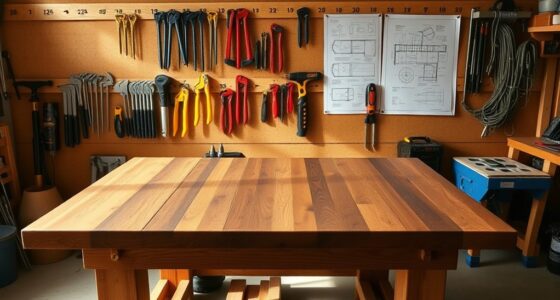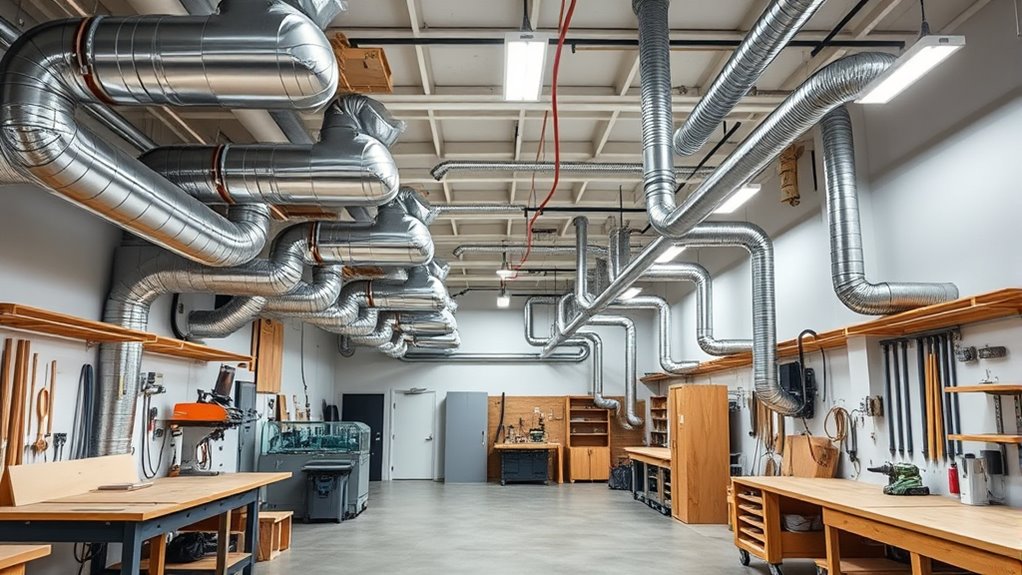

Choosing the right dust collection system can dramatically improve your workshop’s safety and cleanliness. The best overall pick in 2026 is the WEN DC1300, offering a solid balance of power and capacity for most woodworking needs. The JET Vortex Cone Dust Collector stands out for its high filtration efficiency, ideal for users prioritizing air quality. Meanwhile, the SHOPMAX 20 Gal. Dust Collector provides excellent value for those needing larger capacity on a budget. But, these systems vary widely in power, filtration, and ease of use, creating tradeoffs between cost, performance, and complexity. Keep reading for a detailed breakdown to find the best fit for your workshop needs.

Get business pricing on tools and workshop supplies
- Business-only prices and quantity discounts
- Tax-exempt purchasing
- Multiple users, one account, clear invoices
Complete the kit


Key Takeaways
- The top picks balance power, filtration, and capacity to suit different workshop sizes and budgets.
- Filtration quality varies significantly and impacts indoor air quality and maintenance needs.
- Larger capacity collectors reduce frequent emptying but tend to be more expensive and bulky.
- Ease of installation and mobility are important factors for DIYers and small workshops.
- Choosing between cyclone and bag-style systems depends on desired maintenance frequency and budget.
| JET Vortex Cone Dust Collector with 2-Micron Canister Filter, 1-1/2 HP, 115/230V 1Ph |  | Best Overall Dust Collection System | Motor Power: 1-1/2 HP | Voltage: 115/230V 1Ph | Filter: 2-micron canister | VIEW ON AMAZON | See Our Full Breakdown |
| 1100 CFM Dust Collector, 1-1/2 HP, 2-Micron Filtration, Woodworking |  | Best for High-Capacity Woodworking Dust Collection | CFM: 1100 | Motor Power: 1-1/2 HP | Filtration: 2-micron | VIEW ON AMAZON | See Our Full Breakdown |
| Dust Separator with 10 Gal. Stainless Steel Tank | 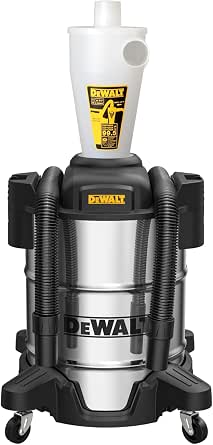 | Best for Dust Management and Workspace Cleanliness | Tank Capacity: 10 gallons | Material: Stainless Steel | VIEW ON AMAZON | See Our Full Breakdown | |
| Mullet High-Speed Cyclone Dust Collector for Shop Vacuum |  | Best for Shop Vacuums and Debris Pre-Separation | Debris Separation Efficiency: Over 99% | Design: Parabolic, seamless | Connection Type: Rigid, cut-to-fit PVC | VIEW ON AMAZON | See Our Full Breakdown |
| SHOPMAX 20 Gal. 6.3 Amp Dust Collector |  | Best Budget Large-Capacity Dust Collector | Motor Power: 6.3 amps | Airflow Capacity: 677 CFM | Dust Capacity: 20 gallons | VIEW ON AMAZON | See Our Full Breakdown |
| WEN DC1300 1,300 CFM 14-Amp 5-Micron Woodworking Dust Collector with 50-Gallon Collection Bag and Mobile Base |  | Best Overall for Large, Heavy-Duty Woodworking Shops | Airflow: 1,300 CFM | Motor Power: 14 amps | Impeller Size: 10 inches | VIEW ON AMAZON | See Our Full Breakdown |
| WEN Woodworking Dust Collector with 5.7-Amp Motor and 12-Gallon Bag |  | Best for Small Workshops and Portability | Motor Power: 5.7 amps | Air Flow: 660 CFM | Impeller Size: 6 inches | VIEW ON AMAZON | See Our Full Breakdown |
| DEWALT Dust Separator with 6 Gallon Poly Tank, High-Efficiency Cyclone Dust Collector | 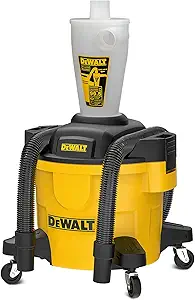 | Best for Debris Separation and Compatibility with Shop Vacuums | Capacity: 6 gallons | Material: Poly tank | Efficiency: 99.5% | VIEW ON AMAZON | See Our Full Breakdown |
| dust collection system | Motor Power |
|---|---|
| JET Vortex Cone Dust Collector | 1-1/2 HP |
| 1100 CFM Dust Collector | 1-1/2 HP |
| Dust Separator with 10 Gal. St | — |
| Mullet High-Speed Cyclone Dust | — |
| SHOPMAX 20 Gal. 6.3 Amp Dust C | 6.3 amps |
| WEN DC1300 1,300 CFM 14-Amp 5- | 14 amps |
| WEN Woodworking Dust Collector | 5.7 amps |
| DEWALT Dust Separator with 6 G | — |
More Details on Our Top Picks
JET Vortex Cone Dust Collector with 2-Micron Canister Filter, 1-1/2 HP, 115/230V 1Ph
This dust collector stands out for its advanced vortex cone technology, which significantly enhances chip separation compared to traditional single-stage systems, making it ideal for continuous, demanding use. Its 2-micron canister filter ensures a high level of dust capture, outperforming basic filter setups like those in the WEN models. The durable, fan-cooled motor provides consistent operation, though the unit’s bulkiness may challenge small workshops with limited space. The quick-connect bags and four casters make mobility easier, but its size can be a drawback for tight spaces. Compared to the WEN DC1300, this model offers more robust separation and filtration, though it may require a dedicated space. This pick makes the most sense for professional or serious hobbyist workshops needing high efficiency and durability.
Pros:- Efficient vortex cone technology improves chip separation
- High-efficiency 2-micron filtration system for cleaner air
- Durable, fan-cooled motor designed for continuous use
- Easy to install and maneuver with quick-connect bags and casters
Cons:- May be bulky for small workshops
- Requires proper ventilation due to dust collection capacity
Best for: Workshops that prioritize high performance, continuous operation, and chip separation efficiency
Not ideal for: Small garages or hobbyists with limited space who need a compact, lightweight system
- Motor Power:1-1/2 HP
- Voltage:115/230V 1Ph
- Filter:2-micron canister
- Mobility:Four casters
- Operation:Single-stage
- Design:Vortex cone technology
Our verdict“This system is best suited for professional workshops or serious hobbyists seeking top-tier dust separation and filtration.”
1100 CFM Dust Collector, 1-1/2 HP, 2-Micron Filtration, Woodworking
This model provides a substantial airflow of 1100 CFM, making it ideal for larger woodworking setups where high dust volume is generated. Its dual 4-inch ports and 6-inch main inlet facilitate versatile ducting options, surpassing the single inlet design of the Mullet cyclone, especially when managing multiple tools. The quick-release bags with transparent windows simplify maintenance, and the auto-start feature adds convenience during operation. However, its size and ducting setup may be cumbersome for smaller spaces, and the need to configure ductwork can add to setup time. Unlike the Mullet cyclone, which is more portable, this unit emphasizes raw capacity, making it perfect for workshops with dedicated space. This pick makes sense for large workshops that need high airflow and flexibility in ducting.
Pros:- High airflow capacity of 1100 CFM for effective dust removal
- Versatile ducting options with dual ports and reducers
- Easy maintenance with quick-release bags and transparent window
- Auto-start feature for seamless operation
Cons:- Bulky for small workshops
- Ducting setup can be time-consuming
- Limited to tools supporting a 7A outlet
Best for: Woodworking shops with multiple machines and high dust volumes requiring reliable, high-capacity collection
Not ideal for: Small or portable setups where space is limited or simplicity is preferred
- CFM:1100
- Motor Power:1-1/2 HP
- Filtration:2-micron
- Bag System:Quick-release with transparent window
- Ports:Dual 4-inch, 6-inch main inlet
- Mobile Base:Yes
Our verdict“Best suited for large woodworking environments needing high airflow and flexible ducting options.”
Dust Separator with 10 Gal. Stainless Steel Tank
This dust separator offers a large 10-gallon stainless steel tank, making it a practical accessory for keeping workspaces cleaner and improving overall dust collection efficiency. Its durable stainless steel construction resists corrosion and damage, ensuring longevity. Compared to full dust collectors, this separator is a simple, effective addition to existing systems like the WEN models, especially when combined with a shop vacuum. However, it lacks specific details about motor power or noise, which could be important in quieter or more demanding environments. Its straightforward design makes it ideal for those seeking to enhance dust separation without investing in a large, standalone collector. This option is best for users who already have a shop vacuum and want a reliable dust separation solution.
Pros:- Durable stainless steel tank resists corrosion
- Large 10-gallon capacity reduces frequent emptying
- Simple, effective dust separation process
Cons:- Limited info on motor or noise levels
- No direct integration details with specific tools or vacuums
Best for: Woodworkers or hobbyists wanting to improve dust collection efficiency with minimal investment
Not ideal for: Heavy-duty industrial setups or users requiring integrated, high-capacity systems
- Tank Capacity:10 gallons
- Material:Stainless Steel
Our verdict“Ideal for users seeking a durable, large-capacity separator to complement shop vacuums or smaller collectors.”
Mullet High-Speed Cyclone Dust Collector for Shop Vacuum
This cyclone attachment excels at pre-separating over 99% of debris before it reaches your shop vacuum, significantly extending its lifespan and maintaining strong suction. Its parabolic, seamless design and airtight PVC connection ensure an effective, durable seal, compatible with most wet/dry vacuums. Compared to larger dust collectors, it offers a compact, versatile solution for smaller workshops or portable setups. The main tradeoff is that it’s designed specifically for shop vacuums, so it doesn’t replace a full-sized collector for heavy-duty, continuous dust extraction. Assembly might be needed, and its effectiveness depends on the vacuum’s power. This makes sense for DIYers or small shop owners who want to protect their vacuums from debris buildup.
Pros:- Pre-separates over 99% of debris, reducing filter clogging
- Universal compatibility with most wet/dry vacuums
- Airtight, durable PVC connection ensures no leaks
- Maintains strong suction for shop vacuums
Cons:- Requires assembly for some setups
- Limited to shop vacuum applications
Best for: Owners of shop vacuums seeking to pre-separate debris and extend vacuum life
Not ideal for: Large workshops or heavy-duty dust collection needs where a full system is required
- Debris Separation Efficiency:Over 99%
- Design:Parabolic, seamless
- Connection Type:Rigid, cut-to-fit PVC
- Compatibility:Most wet/dry shop vacuums
Our verdict“Best for shop vacuum users who want to improve debris management and prolong their vacuum’s effectiveness.”
SHOPMAX 20 Gal. 6.3 Amp Dust Collector
This dust collector offers a powerful 6.3-amp motor with a maximum airflow of 677 CFM, providing solid performance for mid-sized woodworking shops. Its 20-gallon dust capacity means fewer interruptions for emptying, and the included hoses and adapters add versatility. Compared to the smaller WEN models, this unit emphasizes capacity and power, but it lacks the high airflow of larger systems like the WEN DC1300, which can handle more dust volume more efficiently. Its portability is enhanced by wheels and a handle, though it can become heavy when filled. Noise levels aren’t specified, which could be a concern for quieter environments. This is a straightforward, budget-friendly option that balances capacity and performance for serious hobbyists or small professionals. This makes sense for users needing a larger capacity without the expense of premium systems.
Pros:- Powerful 6.3-amp motor with 677 CFM airflow
- Large 20-gallon dust capacity reduces emptying frequency
- Includes multiple hose adapters for flexibility
- Portability with wheels and handle
Cons:- No specified noise level, potential loud operation
- Heavy when full of dust, affecting mobility
Best for: Small to medium woodworking shops needing a large-capacity, affordable dust collector
Not ideal for: Workshops requiring maximum airflow or noise-sensitive environments
- Motor Power:6.3 amps
- Airflow Capacity:677 CFM
- Dust Capacity:20 gallons
- Impeller Size:12 inches
Our verdict“Ideal for budget-conscious woodworkers who need a larger dust capacity for everyday use.”
WEN DC1300 1,300 CFM 14-Amp 5-Micron Woodworking Dust Collector with 50-Gallon Collection Bag and Mobile Base
This WEN model stands out for its impressive airflow of 1,300 CFM, making it well-suited to heavy-duty woodworking environments where large volumes of dust need quick removal. Compared to the smaller WEN 12-Gallon unit, the DC1300’s 50-gallon bag significantly reduces downtime for emptying, which is a major advantage in busy shops. Its robust 14-amp motor and 10-inch impeller deliver consistent performance, though its weight and bulkiness demand ample space and a sturdy setup. The mobile base with swivel casters enhances flexibility, but the lack of variable speed control limits finesse in adjusting suction for delicate tasks. This pick is ideal for professionals or serious hobbyists with sizable workshops who prioritize high capacity and power.
Pros:- High airflow capacity (1,300 CFM) for fast dust removal
- Large 50-gallon collection bag reduces frequent emptying
- Mobile base with swivel casters for easy repositioning
- Dual 4-inch inlets support multiple tools simultaneously
Cons:- Heavy and bulky, requiring substantial space for setup
- No variable speed control limits adjustable suction
Best for: Large woodworking shops requiring high airflow and capacity for continuous use
Not ideal for: Small workshops or hobbyists with limited space who need a lightweight, portable option
- Airflow:1,300 CFM
- Motor Power:14 amps
- Impeller Size:10 inches
- Collection Capacity:50 gallons
- Inlet Size:4 inches
- Maximum RPM:3450 RPM
Our verdict“This model makes the most sense for large, busy workshops that demand powerful, high-capacity dust collection without portability concerns.”
WEN Woodworking Dust Collector with 5.7-Amp Motor and 12-Gallon Bag
Compared with the larger DC1300, this WEN model offers a compact and lightweight solution, making it easier to move and store. Its 5.7-amp motor and 660 CFM airflow are sufficient for small to medium workshops, but may struggle with heavy-duty dust loads or multiple tools running simultaneously. The 12-gallon collection bag is a practical size for hobbyists who prefer less frequent emptying, and the onboard handle and optional wall mount enhance versatility. However, its smaller capacity and lower airflow mean it’s less suited for larger or more demanding woodworking setups. This dust collector is best for hobbyists or small shop owners who need a portable and straightforward dust management system.
Pros:- Powerful 5.7-amp motor with 660 CFM airflow
- Lightweight (17 pounds) and portable with onboard handle
- Includes a 12-gallon collection bag for moderate dust loads
- Optional wall mount offers flexible setup options
Cons:- Limited capacity for large-scale or continuous use
- Basic filter system may need upgrading for fine dust
Best for: Hobbyists or small workshop owners seeking a portable, space-saving dust collection solution
Not ideal for: Large shops with heavy dust production or multiple simultaneous tools, due to limited airflow and capacity
- Motor Power:5.7 amps
- Air Flow:660 CFM
- Impeller Size:6 inches
- Dust Port:4 inches
- Collection Bag Capacity:12 gallons
- Dimensions:34.25 x 13 x 14.2 inches
- Weight:17 pounds
Our verdict“This pick is ideal for small workshops or hobbyists who prioritize portability and simple dust management over high capacity.”
DEWALT Dust Separator with 6 Gallon Poly Tank, High-Efficiency Cyclone Dust Collector
This DEWALT dust separator excels at protecting your vacuum cleaner by capturing debris before it reaches the vacuum’s filter, unlike the other two models which focus on standalone collection. Its 6-gallon poly tank and cyclone design achieve an impressive 99.5% efficiency, reducing filter clogging and maintenance. Its straightforward setup and compatibility with many vacuum brands make it a flexible choice for workshops that already have a vacuum system. However, it doesn’t function as an independent collector like the WEN units, so it’s less suitable for large dust loads or continuous woodworking operations. The need for assembly and a vacuum cleaner makes it more of a supplementary tool than a primary dust collector. This product is best for users who want to extend vacuum life and improve debris management without replacing their existing vacuum system.
Pros:- High efficiency captures 99.5% of debris before reaching vacuum
- Compatible with most vacuum cleaners
- Sturdy, mobile design with four casters
- Durable, heat-resistant poly tank
Cons:- Vacuum cleaner not included, requiring additional purchase
- Limited to debris and workshop cleanup, not a standalone collector
- Requires assembly and setup
Best for: Workshop owners seeking to protect their vacuum systems and reduce filter clogging during debris cleanup
Not ideal for: Workshops without a vacuum or those needing a standalone dust collector for heavy-duty dust removal
- Capacity:6 gallons
- Material:Poly tank
- Efficiency:99.5%
- Port Sizes:1-7/8″ or 2-1/2″
- Included Components:Dust separator, poly bucket, hose, lid, sealing strips, latch, handles, wheel bracket, casters, screws
- Warranty:3 years limited
Our verdict“This cyclone dust separator makes a strong case for protecting existing vacuum systems in workshops that generate moderate debris loads.”
How We Picked
I evaluated each dust collection system based on several core criteria: performance in capturing fine dust particles, ease of setup and operation, build quality and durability, maintenance requirements, and overall value for money. Systems with higher CFM ratings and better filtration were prioritized for larger workshops, while compact models suited smaller spaces. I also considered user feedback on reliability and ease of use to ensure recommendations are practical. The ranking reflects a mix of power, filtration efficiency, capacity, and user convenience, aiming to match different workshop needs and budgets.Factors to Consider When Choosing Dust Collection System
When selecting a dust collection system, it’s important to consider several factors that impact performance and usability. The right system should fit your workshop size, dust types, and workflow. Understanding these key considerations helps avoid common mistakes, like underestimating airflow needs or choosing systems that are difficult to maintain. The following factors will guide you toward a model that balances power, efficiency, and ease of use for your specific situation.Airflow Capacity (CFM)
CFM, or cubic feet per minute, measures how much air a dust collector can move. Higher CFM ratings generally mean better dust capture, especially important for larger workshops or multiple machines running simultaneously. However, excessively high airflow can lead to increased noise and power consumption. For typical home workshops, a system with 1,000 to 1,500 CFM often strikes a good balance, while larger commercial setups may require more.
Filtration Quality
Filtration determines how effectively fine dust particles are removed from the air. Systems with 1- or 2-micron canisters or cyclones provide cleaner air and reduce health risks. While higher filtration efficiency often comes at a higher price, it can significantly improve indoor air quality and reduce filter maintenance. Consider your dust type and health priorities when selecting filtration options.
Capacity and Size
Large capacity tanks reduce the frequency of emptying but add bulk and cost. Smaller units are more mobile and easier to set up, making them suitable for compact workshops or occasional use. Think about your typical workload: frequent small projects might favor smaller systems, while larger or continuous operations benefit from bigger tanks and higher airflow.
Ease of Use and Maintenance
Features like simple filter access, easy emptying, and mobility improve the user experience. Cyclone systems often require less ongoing maintenance compared to bag-style collectors, which need regular filter changes and bag replacements. Assess your willingness to perform routine upkeep and choose a system that aligns with your workshop habits.
Budget and Long-Term Value
While budget constraints are real, investing in a slightly more expensive, higher-quality system can save money over time through better durability and lower maintenance costs. Cheaper models may lack filtration or power, leading to frequent replacements or upgrades. Balancing initial costs with expected lifespan and performance helps ensure a worthwhile investment.
Frequently Asked Questions
How much CFM do I need for my small woodworking shop?
For small workshops with a few machines, a dust collector with around 1,000 CFM typically provides sufficient airflow to capture dust effectively. This level balances power and noise while being manageable in a confined space. If your setup includes more than two machines operating simultaneously, consider a system with higher CFM to maintain effective dust collection across all tools.
Is cyclone filtration worth the extra cost?
Cyclone systems tend to be more efficient at separating dust from the air, reducing filter clogging and maintenance frequency. They often handle larger debris better than bag-style collectors and can extend the lifespan of filters. For serious hobbyists or professional workshops that produce large volumes of dust, investing in cyclone technology generally offers better long-term value and cleaner air.
Can I upgrade my existing dust collector later?
Many dust collection systems allow for upgrades such as adding filters, larger collection bins, or cyclone attachments. However, compatibility depends on the model and its design. Upgrading can improve performance, but it’s often more convenient to choose a system that already meets your current and future needs, avoiding costly modifications later on.
How important is filtration for health and safety?
Filtration is critical for maintaining healthy indoor air quality, especially when working with fine dust and hazardous materials. Higher-quality filters capture particles that can cause respiratory issues over time. Investing in a system with at least 1-micron filtration helps protect your lungs and reduces the need for extensive cleanup, making it a wise choice for long-term safety.
What’s the best choice for a beginner with a small workshop?
For beginners, a compact, easy-to-install system with straightforward maintenance is ideal. The WEN Woodworking Dust Collector with a smaller capacity offers simplicity and affordability, making it a good starting point. As skills and needs grow, upgrading to higher-capacity or cyclone models becomes more manageable with a solid foundational system in place.
Conclusion
For most hobbyists or small workshops, the WEN DC1300 offers a reliable, balanced choice as the best overall system. Those prioritizing air quality and filtration might prefer the JET Vortex Cone for its superior filtration, while budget-conscious users will find the SHOPMAX 20 Gal. delivers excellent value. Beginners should consider the WEN Woodworking model for its simplicity, and larger operations or serious collectors should look into cyclone options like the Dust Separator with 10-Gallon Tank or DEWALT Cyclone. Ultimately, your decision should reflect your workshop size, dust type, and long-term maintenance preferences.
Fall Picks
fall essentials
As an affiliate, we earn on qualifying purchases.