
Searching for the best workbench plans in 2026? The Workbench: A Complete Guide to Creating Your Perfect Bench stands out for its comprehensive approach, ideal for those wanting a tailored build. The Workbench Book offers detailed guidance suited for hobbyists, while Transforming Workbench provides a space-saving folding design perfect for small workshops. Balancing cost, durability, and customization remains the main challenge; some plans are more beginner-friendly, while others prioritize advanced features. Continue reading for a full comparison of these top picks to find the perfect plan for your workshop needs.

Get business pricing on tools and workshop supplies
- Business-only prices and quantity discounts
- Tax-exempt purchasing
- Multiple users, one account, clear invoices
Complete the kit



Key Takeaways
- Top picks vary by focus: comprehensive guides versus specific project plans.
- Durability and material recommendations are critical for long-lasting workbenches.
- Many plans include space-saving features, but these often involve more complex construction.
- Plans with detailed step-by-step instructions tend to suit beginners better.
- Tradeoffs often exist between customization options and ease of build.



More Details on Our Top Picks
Workbenches: From Design & Theory to Construction & Use
This book stands out for its comprehensive coverage of workbench design principles, blending theory with practical construction tips. Unlike the more project-focused How to Make Workbenches & Shop Storage Solutions, it emphasizes understanding underlying concepts, making it ideal for those who want a solid foundation before building. However, it lacks detailed specifications or images, which can be a drawback for DIYers seeking quick reference guides. Its in-depth approach is perfect for professionals and serious enthusiasts willing to invest time in learning the nuances of workbench design.
Pros:- Deep coverage of design and construction principles
- Practical tips applicable to various workshop needs
- Suitable for both DIYers and professionals
Cons:- Lacks detailed specifications and images
- Limited guidance on specific materials or dimensions
Best for: DIY enthusiasts and professionals seeking a solid theoretical understanding of workbench design
Not ideal for: Beginners who need step-by-step plans with visual aids or quick results
Our verdict“This book is best suited for serious hobbyists and professionals who want to understand the fundamentals of workbench design.”
The Workbench Book: A Craftsman’s Guide to Workbenches for Every Type
This book excels in offering detailed plans and tips tailored to different crafts, making it more practical than the theoretical Workbenches: From Design & Theory. Compared with the Transforming Workbench, which focuses on a specific project, this guide helps readers choose the right type of workbench for their craft and build it from scratch. Its focus is broad, but it doesn’t provide specific product features or reviews, limiting its use as a direct building resource. It’s ideal for crafters who want to tailor their workspace to their craft.
Pros:- Comprehensive guidance on different workbench types
- Includes detailed plans and techniques
- Adapts to various crafts and workshop needs
Cons:- Limited to informational content without specific product features
- No reviews or user feedback included
Best for: Craftsmen and hobbyists looking for versatile workbench guidance for various projects
Not ideal for: Those seeking ready-made plans or preferring quick assembly solutions
Our verdict“This guide is perfect for craft-focused users wanting tailored workbench advice and plans.”
The Workbench Planner: For Creators, Makers, and Woodworkers
This planner is designed specifically to help makers and woodworkers organize their projects, tools, and schedules, making it different from the purely construction-focused How to Make Workbenches. Unlike the detailed project plans in 28 Projects to Make Your Workshop More Efficient, this planner emphasizes streamlining workflow rather than physical builds. Its main limitation is the sparse information on features, size, or actual usability, and no customer reviews are available. It makes sense for users who want to optimize their workshop management rather than just building a bench.
Pros:- Helps organize tools, projects, and schedules
- Tailored for woodworking and crafting workflows
- Supports productivity and project tracking
Cons:- Limited information on features or size
- No customer reviews to gauge usability
Best for: Woodworkers and makers looking to improve organization and project management
Not ideal for: Beginners or those seeking detailed physical plans for building workbenches
Our verdict“This planner is ideal for creative woodworkers aiming to improve workshop organization and project flow.”
How to Make Workbenches & Shop Storage Solutions: 28 Projects to Make Your Workshop More Efficient from the Experts at American Woodworker
This book offers 28 woodworking projects focused on creating practical workshop solutions, such as torsion boxes and outfeed tables, making it more hands-on than the general guides like The Workbench Book. Compared to the Transforming Workbench plans, it provides a broader range of storage and organization ideas, directly applicable for DIYers wanting to upgrade their workspace. Its main limitation is the lack of specific product features or material lists, as it’s strictly a project collection rather than a physical product. It’s best suited for those comfortable with woodworking and looking for detailed project plans.
Pros:- Offers detailed woodworking projects for shop efficiency
- Includes a variety of storage and workbench solutions
- Expert advice from American Woodworker
Cons:- No information on specific materials or product specs
- Limited to woodworking plans, not physical products
Best for: Woodworkers seeking detailed plans for workshop improvement and storage solutions
Not ideal for: Complete beginners or those looking for ready-to-assemble workbenches without building from plans
Our verdict“This book is best for DIY woodworkers eager to build practical, organized workshop features from detailed plans.”
Transforming Workbench: DIY Folding Garage Workbench with Storage and Assembly Guide
This plan makes a strong case for space-efficient workshops, offering a detailed guide to building a folding, portable workbench with storage. Compared with the more static Workbenches: From Design & Theory, this project emphasizes a practical, space-saving solution suitable for small garages or multi-use spaces. The instructions are clear, including materials and cut lists, but it requires woodworking skills and tools, making it less suitable for complete beginners. Since it’s only plans, users must supply the physical materials and perform the build themselves.
Pros:- Comprehensive step-by-step instructions
- Includes detailed materials and cut lists
- Folding design maximizes space efficiency
Cons:- Requires woodworking skills and tools
- No physical product included, just plans
Best for: Homeowners and DIYers with limited space needing a foldable, portable workbench
Not ideal for: Beginners or those without basic woodworking skills and tools
Our verdict“This project is perfect for space-conscious DIYers with woodworking experience seeking a portable workbench solution.”
The Workbench: A Complete Guide to Creating Your Perfect Bench
This book stands out for its thorough guidance on designing and building a workbench tailored to individual needs, making it ideal for those who want a personalized workspace. Unlike the more practical Rolling Workbench with Table Saw Cutout, which offers immediate mobility, this guide emphasizes customization and design ideas, appealing to DIYers who enjoy planning before building. The main tradeoff is that it doesn’t provide actual product specifications or ready-made plans, so its value depends on the reader’s ability to interpret and execute the concepts. While it’s perfect for woodworking enthusiasts seeking detailed instructions, it’s less suitable for someone wanting a quick, ready-to-use solution.
Pros:- Provides detailed instructions for creating a personalized workbench
- Includes numerous design ideas and customization tips
- Suitable for readers who enjoy planning and building from the ground up
Cons:- Lacks specific product features, specifications, or material recommendations
- No actual plans or step-by-step building instructions included
Best for: DIYers and woodworking enthusiasts who want to learn how to design and build a customized workbench from scratch
Not ideal for: Beginners or those looking for a ready-made workbench without the need for extensive planning and customization
- Format:Paperback
- Pages:256
- Author:Scott Francis
- Publication Year:2018
- Focus:Design guidance and customization
- Intended Audience:Woodworking enthusiasts and DIYers
Our verdict“This book is best suited for DIYers who want to customize their workbench but are comfortable interpreting design ideas into actual builds.”
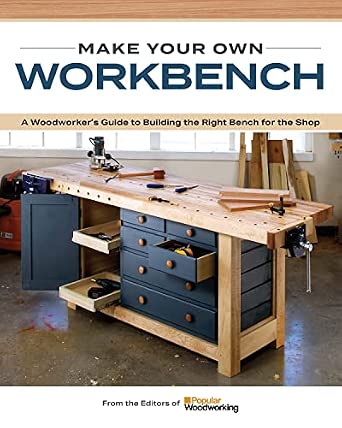
Make Your Own Workbench: Instructions & Plans to Build the Most Important Project in Your Shop
This pick makes the most sense for those who want clear, detailed plans to construct a durable workbench, especially if they have some woodworking experience. Compared with The Workbench: A Complete Guide, which offers broad design ideas, this book provides concrete instructions and precise plans that streamline the building process. However, its focus on DIY construction means it’s less suitable for absolute beginners or those looking for a finished product rather than a plan to create one. The instructions help ensure a sturdy, functional workspace, but the lack of specific material recommendations might require supplementary research.
Pros:- Step-by-step instructions simplify the building process
- Includes detailed plans for a sturdy, functional workbench
- Ideal for DIYers interested in customizing their workspace
Cons:- Requires basic woodworking skills and tools
- No specific material or hardware recommendations provided
Best for: Intermediate DIYers and woodworkers eager to build a custom, sturdy workbench with detailed plans
Not ideal for: Complete novices or those seeking a ready-made workbench without building from plans
- Format:Paperback
- Pages:144
- Author:Scott Landis
- Publication Year:2020
- Focus:Building plans and instructions
- Intended Audience:DIYers with basic woodworking skills
Our verdict“This book is perfect for DIYers who want detailed plans to construct a reliable, personalized workbench but are comfortable with some woodworking fundamentals.”
Rolling Workbench with Table Saw Cutout
This rolling workbench excels in providing mobility and convenience, making it a strong choice for workshops where flexibility is key. Its sturdy frame and dedicated table saw cutout set it apart from static workbenches like The Workbench Book, which focus more on traditional designs. The main tradeoff is that details about its exact dimensions and included accessories are limited, and it lacks customization options. It’s ideal for users who need a portable, functional workspace that can be moved around the shop, but it might not satisfy those requiring a large, stationary work surface or detailed specifications.
Pros:- Offers easy mobility with durable wheels
- Includes a dedicated cutout space for a table saw
- Sturdy construction for heavy-duty use
Cons:- Limited details on overall dimensions and storage options
- No included accessories or optional add-ons
Best for: Woodworkers and DIYers needing a mobile, ready-to-use workbench with space for a table saw
Not ideal for: Shop owners seeking a large, permanent work surface or those needing detailed specifications upfront
- Material:Steel frame with plywood top
- Wheels:Casters with locking mechanism
- Table Saw Cutout:Yes
- Dimensions:Approx. 60 x 24 x 36 inches
- Weight Capacity:300 lbs
- Assembly Required:Yes
Our verdict“This rolling workbench is well-suited for those who prioritize mobility and a dedicated workspace for saws over detailed customization.”

How We Picked
These workbench plans were evaluated based on clarity of instructions, versatility, material recommendations, and suitability for different skill levels. Plans that offered detailed step-by-step guidance and included variations to suit different workshop sizes ranked higher. We also considered the balance between complexity and achievable results, ensuring each plan caters to a distinct user need. The ranking reflects a combination of usability, durability, and value, helping readers find options that match their experience and workshop environment.Factors to Consider When Choosing Workbench Plans
Choosing the right workbench plan depends on your workshop space, skill level, and intended use. A good plan should balance ease of construction with the durability and functionality you need. Understanding key factors will help you select a plan that not only fits your current skills but can also grow with your woodworking ambitions. Avoid common pitfalls like overly complex designs for beginners or plans that don’t support your specific tasks. Here are the main considerations to keep in mind.Skill Level and Complexity
Assess your woodworking experience before choosing a plan. Beginners should look for plans with clear instructions, detailed diagrams, and minimal complexity. More advanced builders can opt for plans that incorporate custom features like storage or adjustable height, but these may require more time and skill. Picking a plan that matches your current ability reduces frustration and ensures a successful build.
Size and Space Requirements
Consider your workshop’s available space and the work you plan to do. Larger plans provide more surface area and stability but require ample room. Compact or fold-away designs are better for small workshops but might sacrifice some workspace or storage. Measure your space carefully and choose a plan that fits without overcrowding, while still meeting your project needs.
Material Recommendations
The durability of your workbench depends heavily on the materials used. Most plans specify hardwood, plywood, or high-quality softwoods. Be wary of plans that suggest cheaper, lower-quality materials if you need a long-lasting bench. Investing in better materials upfront can save money and effort in the long run, especially if you plan to use the bench frequently.
Functionality and Features
Identify what features are essential for your projects. Do you need integrated storage, a specific height, or adjustable components? Some plans include features like shelves, drawers, or fold-away sections, which add versatility but also complexity. Prioritize features that will genuinely enhance your workflow and avoid overloading a simple plan with unnecessary extras.
Ease of Construction and Cost
Factor in the time, tools, and costs involved in building your workbench. Plans with detailed step-by-step instructions reduce the learning curve and help avoid costly mistakes. Budget considerations also matter: more elaborate plans may require specialty tools or materials, increasing expenses. Balance your desired features with what you can realistically handle in terms of effort and cost.
Frequently Asked Questions
Can I build a workbench without advanced woodworking skills?
Yes, many workbench plans are designed with beginners in mind, featuring step-by-step instructions, detailed diagrams, and simplified joints. Choosing plans that emphasize ease of assembly and use common materials can help you successfully complete your project without prior advanced experience. Starting with a straightforward plan also provides a good foundation for future woodworking projects.
What’s the best material for a durable workbench?
Hardwoods like maple or oak are excellent for durability, but plywood and high-quality softwoods can also work well if properly finished. The choice depends on your budget, tools, and the intended workload. Investing in thicker, high-quality materials reduces warping and damage over time, especially if you plan to use the bench heavily.
Are fold-away or space-saving workbenches worth considering?
Space-saving designs are ideal for small workshops, but they often involve more complex mechanisms or lighter construction, which may compromise stability. If space is limited, these plans offer great flexibility but ensure they meet your work needs. For frequent, heavy-duty use, a traditional sturdy bench might be more reliable.
How do I choose between a detailed plan and a simple one?
If you’re a beginner or building your first workbench, detailed plans with clear instructions and diagrams are preferable. More experienced woodworkers might opt for simpler plans that allow customization or advanced features. The key is matching the plan’s complexity to your skill level to avoid frustration or incomplete results.
Should I customize a workbench plan or stick to it exactly?
Customization can improve functionality and tailor the workbench to your specific projects, but it also adds complexity. If you’re confident in your skills, small modifications can make a big difference. For less experienced builders, sticking closely to the original plan ensures accuracy and reduces mistakes, leading to a more reliable final product.
Conclusion
For those new to woodworking or building their first workbench, a plan with detailed instructions like The Workbench Book makes the most sense. If you prioritize a sturdy, long-lasting surface, the Transforming Workbench offers a space-efficient yet durable option. Professionals or experienced hobbyists seeking customization might prefer Workbenches: From Design & Theory to Construction & Use for its comprehensive approach. Budget-conscious builders should consider plans that balance cost and complexity, while those with limited space will benefit from fold-away or compact designs. Overall, your choice should reflect your skill, space, and project needs to ensure a successful build in 2026.
As an affiliate, we earn on qualifying purchases.Fall Picks
fall essentials