Sliding capacity matters differently in woodworking than in renovation because it influences how materials perform under stress. In woodworking, it’s essential for precise joints to guarantee strength, like dovetail or mortise-and-tenon joints. In renovation, you face environmental factors like humidity that can cause materials to expand or contract. Understanding these differences helps you choose the right materials and techniques for lasting results. There’s so much more to explore to enhance your projects effectively.

Get business pricing on tools and workshop supplies
- Business-only prices and quantity discounts
- Tax-exempt purchasing
- Multiple users, one account, clear invoices
Key Takeaways
- In woodworking, sliding capacity primarily affects joint strength and fit during construction, ensuring durability under stress.
- Renovation focuses on accommodating environmental factors, like humidity and temperature fluctuations, to prevent material warping and cracking.
- Wood movement in woodworking is predictable, while renovation requires understanding diverse material behaviors for effective integration.
- Joinery techniques in woodworking prioritize strength, whereas renovation emphasizes compatibility of various materials to maintain structural integrity.
- Knowledge of sliding capacity in woodworking enhances aesthetic and functional outcomes, while in renovation it ensures long-term stability and minimizes repair costs.

When you’re diving into woodworking or renovation, understanding sliding capacity can make all the difference. It’s not just about how materials fit together; it’s about how they perform under stress and how well they can accommodate movement. In woodworking, you often deal with precise joinery techniques that demand careful evaluation of how components interact. You want your joints to withstand weight and movement without compromising the overall structure. A well-crafted dovetail or mortise-and-tenon joint can provide exceptional strength, but if you overlook sliding capacity, you might find your beautiful piece warping or cracking over time.
On the other hand, when you’re renovating, especially in spaces with varying humidity or temperature fluctuations, material selection becomes essential. The sliding capacity here refers to how well materials can expand or contract without causing structural issues. For example, if you’re installing wooden flooring, it’s important to choose a species that can handle the environmental conditions of the room. You wouldn’t want a wood that swells in the summer, causing buckling, or one that shrinks in winter, leaving gaps that disrupt the aesthetic. Understanding material behavior is key to making the right choices for long-term stability. Additionally, understanding how different materials respond to environmental factors can help prevent costly repairs later on.
In woodworking, you’re usually working with solid wood that has a consistent grain pattern, which can lead to predictable sliding behaviors. You’ll want to reflect on how joints fit together during seasonal changes. For instance, using a sliding dovetail joint might be ideal for allowing slight movement while maintaining strength. This is where your joinery techniques play a key role in guaranteeing that your project remains intact despite the elements. Being aware of wood movement can help you plan for these natural shifts and ensure longevity.
Conversely, in renovation, you often face a mix of materials—wood, metal, and composites. Each has its own sliding capacity, impacting how they interact with one another. If you’re combining hardwoods with engineered materials, you need to make sure they can accommodate each other’s movement. Otherwise, you risk damaging the overall structure. Your choice of adhesives and fasteners also comes into play, as they must support the sliding capacity of the materials you’ve selected. Proper understanding of material compatibility can help you avoid issues like warping, cracking, or joint failure.
Ultimately, understanding the different implications of sliding capacity in woodworking and renovation can elevate your projects. By evaluating joinery techniques and material selection thoughtfully, you’ll create durable, functional, and beautiful results that stand the test of time.
woodworking dovetail joint clamps
As an affiliate, we earn on qualifying purchases.
As an affiliate, we earn on qualifying purchases.
Frequently Asked Questions
What Tools Are Essential for Maximizing Sliding Capacity in Woodworking?
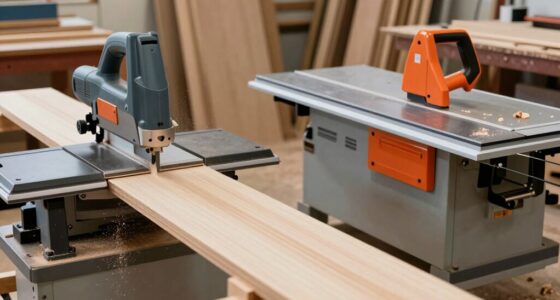
To maximize sliding capacity in woodworking, you need essential tools like a high-quality table saw, sliding miter saw, and track saw. Tool selection plays a vital role, ensuring you’ve got the right equipment for precision cuts. Additionally, focus on workspace organization; keep your area clutter-free to allow for smooth material movement. By having everything in its place, you’ll enhance your workflow and make the most of your tools’ capabilities.
How Does Sliding Capacity Affect Project Timelines in Renovation?
Sliding capacity acts like a well-oiled machine, ensuring your renovation runs smoothly. When you maximize it, you boost project efficiency, cutting down on delays and frustrations. It allows you to manage timelines effectively, as you can tackle tasks without unnecessary interruptions. If you underestimate this aspect, you might find your project dragging on, leaving you feeling like you’re stuck in quicksand. Prioritizing sliding capacity keeps your renovation on track and moving forward swiftly.
Can Sliding Capacity Impact Safety in Woodworking and Renovation?
Yes, sliding capacity can greatly impact safety in both woodworking and renovation. If you don’t maintain your tools properly, a limited sliding capacity might lead to accidents, causing injuries. You should always adhere to safety standards, ensuring your equipment functions correctly. In woodworking, tight spaces can restrict movement, while in renovation, it can hinder proper tool handling. Prioritize tool maintenance to enhance safety and efficiency in your projects.
What Materials Influence Sliding Capacity in Both Fields?
Material types like plywood, hardwood, and metal greatly influence sliding capacity in both woodworking and renovation. Each material has different weight distribution characteristics, affecting how smoothly objects slide. For instance, heavier materials might require more robust systems to manage their weight, while lighter ones can glide easily. Understanding these differences helps you choose the right materials for your projects, ensuring peak performance and safety while working with sliding mechanisms.
Are There Specific Techniques to Improve Sliding Capacity?
Imagine gliding smoothly over ice—sliding techniques can help you achieve that same effortless motion in your projects. To improve sliding capacity, focus on capacity optimization by ensuring surfaces are clean and well-lubricated. Experiment with different materials, like using wax or Teflon, to reduce friction. Additionally, adjusting angles and maintaining proper alignment can greatly enhance your results. With these techniques, you’ll find your work flows like a gentle breeze through the trees.
Conclusion
In woodworking, sliding capacity is like a finely tuned dance, ensuring every joint flows seamlessly, while in renovation, it’s a sturdy bridge, supporting the weight of creativity and practicality. Understanding these differences helps you wield your tools with purpose. When you grasp how sliding capacity shapes each craft, you open the gateway to precision in woodworking and innovation in renovation. So, let your projects glide smoothly, guiding you toward mastery in both domains.
Fall yard work Picks
leaf blowers
As an affiliate, we earn on qualifying purchases.