Reliable CNC workholding feels secure because it combines precision and well-maintained equipment. You need to choose the right clamping mechanisms based on your material to prevent unwanted shifts. Proper arrangement of workpieces guarantees even stress distribution, which enhances stability. Plus, having hands-on experience and knowledge of various techniques boosts your confidence. These factors minimize risks and lead to better machining outcomes. Keep exploring to discover more ways to enhance your workholding strategies.

Get business pricing on tools and workshop supplies
- Business-only prices and quantity discounts
- Tax-exempt purchasing
- Multiple users, one account, clear invoices
Key Takeaways
- Reliable workholding ensures materials are securely clamped, preventing misalignment and enhancing machining precision.
- Proper clamping mechanisms tailored to material types minimize the risk of damage or shifting during operations.
- Regular equipment maintenance and calibration maintain consistent performance, reducing errors and unexpected failures.
- Strategic workpiece arrangement distributes stress evenly, enhancing stability and reliability throughout the machining process.
- Comprehensive training and experience in clamping techniques empower operators to confidently select the best solutions for various projects.
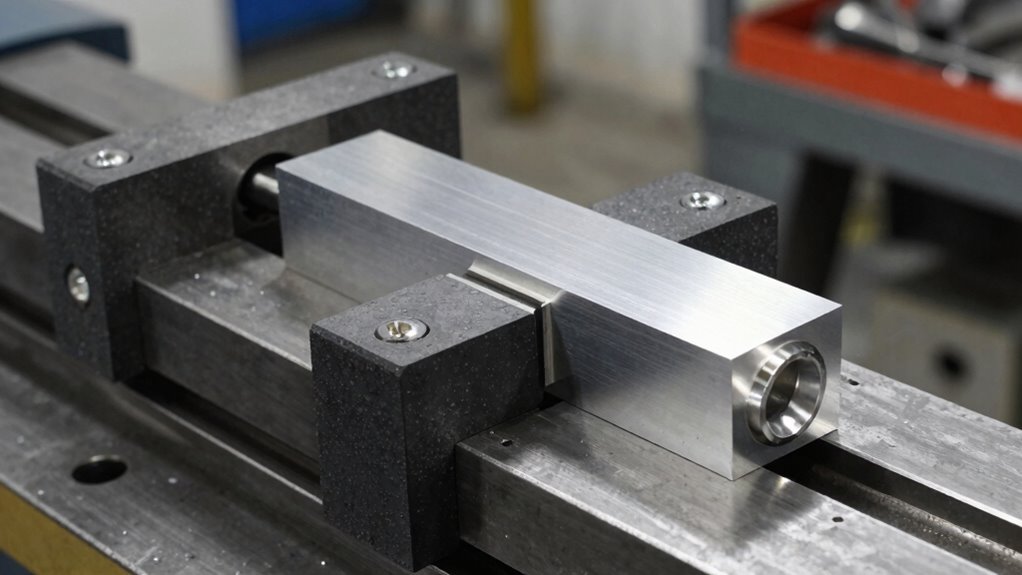
When you’re working with CNC machines, guaranteeing reliable workholding is vital for achieving precision and efficiency. You want to feel confident that your materials are secured properly, allowing you to focus on producing high-quality parts without worrying about misalignment or movement during the machining process. The right clamping mechanisms can make all the difference, providing the stability you need to perform intricate cuts and complex operations.
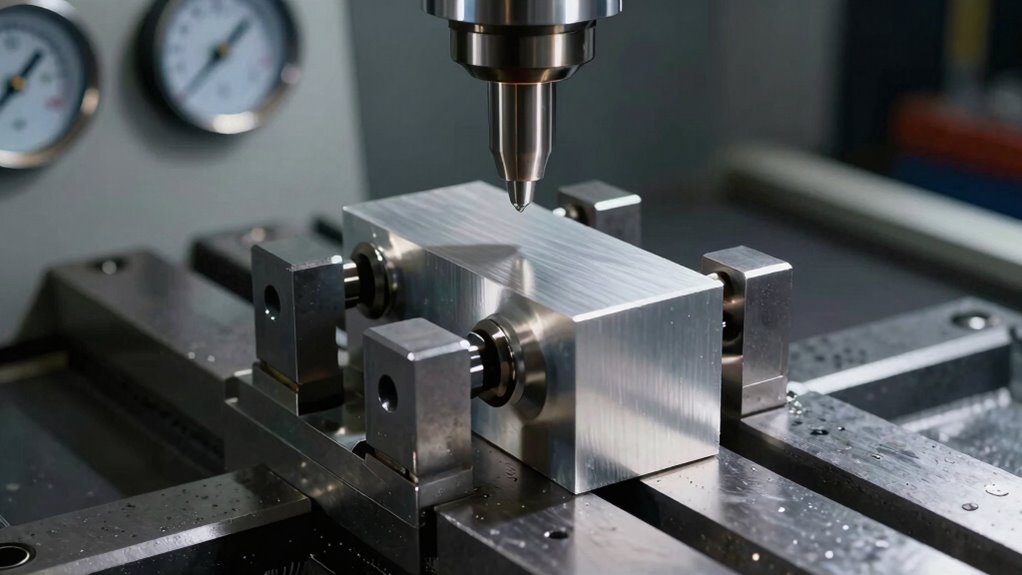
Reliable workholding is essential for CNC machining, ensuring materials are securely held for precision and efficiency in every operation.
One key aspect of reliable workholding is understanding how different clamping mechanisms function. Whether you’re using vises, fixtures, or pneumatic clamps, it’s essential to select the right type based on your specific material and job requirements. For instance, if you’re machining softer materials, you might opt for a vise that offers a gentler grip. On the other hand, rigid materials require more robust clamping solutions to prevent any unwanted shifts. By choosing the appropriate clamping mechanism, you enhance material stability and guarantee that your workpiece remains securely in place throughout the machining process.
Another factor that contributes to the reliability of your workholding setup is the precision of your equipment. When your CNC machine and its components are well-maintained and calibrated, you reduce the chances of errors resulting from poor alignment or vibration. Regular inspections and adjustments help guarantee that your clamping mechanisms are functioning effectively, maintaining a consistent grip on your materials. This proactive approach not only improves efficiency but also minimizes the risk of costly mistakes. Proper equipment calibration ensures consistent performance and accurate machining results. Incorporating proper maintenance routines also extends the lifespan of your tools and enhances overall reliability. Additionally, understanding the importance of clamping force can prevent over-tightening or under-tightening, both of which can compromise accuracy and safety.
Additionally, consider the way you arrange your workpieces. Using a strategic layout allows you to maximize the effectiveness of your clamping mechanisms while guaranteeing balanced pressure on the material. This balance plays a notable role in maintaining material stability, preventing deformation or movement during machining. Proper workpiece positioning can significantly improve the reliability of your setup by evenly distributing stress across the workpiece. By planning your setup carefully, you can enhance the overall reliability of your workholding.
Lastly, don’t underestimate the importance of training and experience. Familiarizing yourself with different clamping techniques and understanding their strengths and weaknesses can greatly impact your workflow. The more you practice and experiment, the more confident you’ll become in your ability to choose the right solutions for your specific projects.
As an affiliate, we earn on qualifying purchases.
Frequently Asked Questions
What Materials Are Best for CNC Workholding Fixtures?
When choosing fixture materials for CNC workholding, consider aluminum, steel, and composite materials. Aluminum’s lightweight and corrosion resistance make it a popular choice, while steel offers unmatched durability for heavy-duty applications. Composite materials can provide excellent rigidity while minimizing weight. Always think about durability considerations, as the right material can greatly impact performance and longevity. By selecting the best fixture materials, you’ll enhance your machining precision and efficiency.
How Often Should Workholding Equipment Be Inspected?
You should inspect your workholding equipment at least once a month, but it’s wise to increase the frequency if you notice signs of equipment wear. Regular inspections help you catch potential issues early, ensuring safety and precision in your CNC operations. If you’re running high-volume production, consider weekly checks. Staying proactive about maintenance not only enhances reliability but also extends the lifespan of your equipment, reducing costly downtime.
Can I Use Custom Fixtures for Different Projects?
Yes, you can definitely use custom fixtures for different projects. The advantages of custom fixtures lie in their project-specific designs, which enhance precision and efficiency. By tailoring fixtures to your unique needs, you improve part stability during machining, reducing errors. Plus, switching between projects becomes smoother, as each fixture can be optimized for specific tasks. This adaptability not only streamlines your workflow but also boosts overall productivity on diverse jobs.
What Are the Costs Associated With CNC Workholding?
CNC workholding costs depend on several factors. You’ll need to take into account the cost breakdown of materials, tooling, and custom fixtures. High-quality fixtures may have a higher upfront cost, but their longevity can save you money over time. Investing in durable, efficient workholding solutions reduces the need for frequent replacements, ultimately making your operations more cost-effective. Balancing initial expenses with long-term savings is key to achieving the best value in CNC workholding.
How Does Temperature Affect Workholding Reliability?
Temperature affects workholding reliability by causing thermal expansion, which can alter the dimensions of your fixtures and workpieces. When materials heat up, they expand, potentially compromising the grip and stability needed for precision machining. If you’re not accounting for temperature fluctuations, you risk inaccuracies and possible failures. Maintaining consistent temperature helps guarantee material stability, allowing you to trust your workholding setup for exact results, even under varying conditions.
Conclusion
When you choose the right CNC workholding, you’re not just securing your materials; you’re embracing peace of mind. It’s a gentle assurance that allows you to focus on what really matters—precision and creativity. By investing in reliable solutions, you’re not merely avoiding mishaps; you’re nurturing a flow of confidence that elevates your craft. In this harmonious partnership between machine and maker, you’ll find the freedom to explore, innovate, and create without reservations.
Fall Picks
fall essentials
As an affiliate, we earn on qualifying purchases.