If you’re choosing between cyclone and bag dust collectors, understand that cyclones excel at removing large debris and coarse dust without clogging filters, while bag collectors are better at capturing tiny, fine particles to improve air quality. Cyclones are more durable and cost-effective for heavy debris, but they don’t filter the smallest dust effectively. To make the best decision for your needs, knowing the details can help you optimize your dust control system.
Key Takeaways
- Cyclone dust collectors excel at removing large debris but are less effective for fine dust particles.
- Bag dust collectors provide superior filtration for tiny airborne particles, improving air quality.
- Cyclones have lower maintenance costs and longer lifespans due to fewer replaceable parts.
- Bag filters require regular cleaning or replacement, increasing ongoing maintenance expenses.
- The choice depends on debris size, air quality needs, and budget considerations, balancing initial costs and operational efficiency.

When choosing a dust collection system, understanding the differences between cyclone and bag dust collectors is essential. Your decision impacts not only how well your workspace stays clean but also how effectively air filtration works and what you’ll spend on maintenance costs. Each system has its strengths and weaknesses, so knowing which one suits your needs can save you time and money in the long run.
Cyclone dust collectors operate by spinning dust-laden air in a circular motion, forcing larger particles to the outer walls where they fall into a collection bin. They excel at removing larger debris and are known for their durability and lower ongoing maintenance costs. Because they don’t rely on filters that can clog easily, cyclone systems tend to have fewer parts that require frequent replacement. This means less downtime and lower maintenance expenses over time. However, while they are good at separating big chunks of dust and debris, cyclone collectors aren’t as efficient at capturing the fine particles that can linger in the air, which can compromise air filtration. If your workspace produces a lot of coarse dust, a cyclone might be a cost-effective choice, but for environments demanding superior air quality, you might need an additional filtering system.
Cyclone dust collectors are durable and low-maintenance but less effective for fine particle filtration.
On the other hand, bag dust collectors use fabric filters or bags to trap fine dust particles from the air. They are highly effective at filtering out tiny particulates, leading to cleaner air and better air filtration overall. This makes them ideal for workplaces where maintaining air quality is critical, such as woodworking shops or manufacturing facilities dealing with fine powders. But this high level of filtration comes with higher maintenance costs. The filters can clog over time, requiring regular cleaning or replacement to maintain peak performance. If neglected, clogged filters can reduce airflow and efficiency, leading to increased energy consumption and potential system breakdowns. So, while bag collectors offer superior air filtration, they demand more diligent upkeep and incur higher ongoing costs.
Furthermore, advancements in European cloud innovation are contributing to the development of more energy-efficient and sustainable dust collection solutions, integrating smart monitoring and automation to optimize performance and reduce operational costs. Ultimately, your choice hinges on your specific needs. If you’re working with larger debris and want a system with lower maintenance costs, a cyclone dust collector might be the better option. But if fine dust poses a health concern and superior air filtration is a priority, investing in a bag dust collector could be worth the extra effort and expense. Consider both your budget and your air quality requirements carefully. The right system balances initial investment, ongoing maintenance costs, and the level of air filtration you need to keep your workspace safe and clean. Making an informed decision now ensures your dust collection system supports your operations efficiently and cost-effectively for years to come.

DEWALT Dust Separator with 6 Gallon Poly Tank, 99.5% Efficiency Cyclone Dust Collector, High-Performance Cycle Powder Collector Filter, DXVCS002, Yellow
【HIGH EFFICIENCY】 Our DEWALT high efficiency dust separator can capture wood chips and other debris before they enter…
As an affiliate, we earn on qualifying purchases.
As an affiliate, we earn on qualifying purchases.
Frequently Asked Questions
Which Dust Collector Type Is More Cost-Effective Long-Term?
A cyclone dust collector is more cost-effective long-term because it has a lower ongoing maintenance cost and fewer filter replacements. While the initial investment may be higher, the cost comparison favors cyclones over bag collectors due to their durability and efficiency. You’ll save money over time by choosing a cyclone, especially if you prioritize lower operating costs and fewer downtime disruptions.
How Do Maintenance Requirements Differ Between Cyclone and Bag Systems?
You’ll find that cyclone systems require less maintenance overall because they don’t need filter replacements often; cleaning frequency is minimal, usually limited to occasional inspection. In contrast, bag dust collectors demand regular filter replacements and more frequent cleaning to prevent clogging. This means that with bag systems, you’ll spend more time on maintenance tasks, while cyclone systems are more low-maintenance, saving you time and effort over the long run.
Can Both Systems Handle Wet or Humid Dust?
Wet and humid dust handling is a challenge for both cyclone and bag dust collectors. Moisture sensitivity hampers their humidity compatibility, risking clogging and corrosion. Cyclones handle wet dust poorly, as moisture can cause material buildup and inefficiency. Bag systems also struggle with humidity, which can compromise filter integrity. To prevent problems, choose equipment designed specifically for moisture-laden environments or implement dehumidification strategies to maintain ideal performance.
What Are the Noise Level Differences Between Cyclone and Bag Collectors?
You’ll find that cyclone collectors generally produce less noise than bag collectors, thanks to their design. The sound comparison shows cyclone units often have quieter operation because they lack filter bags that can vibrate and create additional noise. For better sound mitigation, choose a cyclone system, especially in noise-sensitive environments, as it minimizes vibration and reduces overall sound levels, making your workspace more comfortable.
Which System Offers Better Air Quality and Filtration Efficiency?
Imagine you run a woodworking shop and want pristine air quality. A bag dust collector often provides better filtration effectiveness by trapping finer particles, leading to improved air quality comparison. It captures more dust at the source, reducing airborne contaminants. Cyclones are efficient for larger debris but may not match bags for fine particle removal. For ideal air quality, a bag system generally offers superior filtration efficiency.

Chaungfu Vacuum Cleaner Bag, 5Pcs Non-woven Replacement Bags,Vacuum Cleaner Replacement Bag, Nail Art Dust Collection,Set Beauty Nail
High quality non-woven fabrics, won't be out of shape even being used several times, reusable.
As an affiliate, we earn on qualifying purchases.
As an affiliate, we earn on qualifying purchases.
Conclusion
Choosing between a cyclone and a bag dust collector is like picking between a swift river and a deep pond—you want the one that fits your needs. I once saw a workshop transform when switching to a cyclone; dust was swept away like leaves in a breeze. Remember, the right filter can make all the difference, turning a dusty mess into a clean, efficient space. Make an informed choice, and your workspace will thank you.

POWERTEC 70306 4 Inch Dust Collection Fittings Network with Dust Hose Splice, Blast Gates, Pipes, 90-Degree Elbow Connector, Y-fittings, Mounting Brackets
INCLUDES: (5) dust collection blast gates, (1) splice, (4) 3ft dust collection pipes, (4) y-fittings, (1) 90-degree elbow,…
As an affiliate, we earn on qualifying purchases.
As an affiliate, we earn on qualifying purchases.
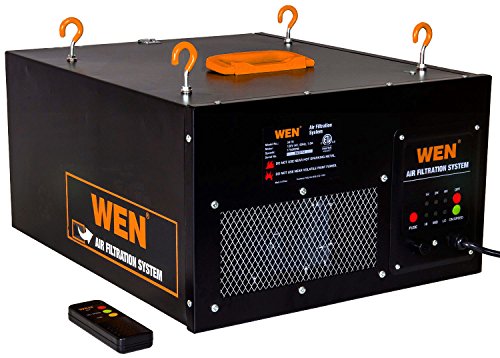
WEN 3410 3-Speed Remote-Controlled Air Filtration System (300/350/400 CFM), Basic w/ RF Remote (400 CFM) , Black
Includes a 1-micron filter and a 5-micron pre-filter, both of which can be easily replaced
As an affiliate, we earn on qualifying purchases.
As an affiliate, we earn on qualifying purchases.