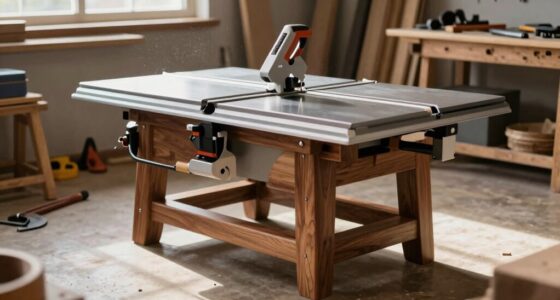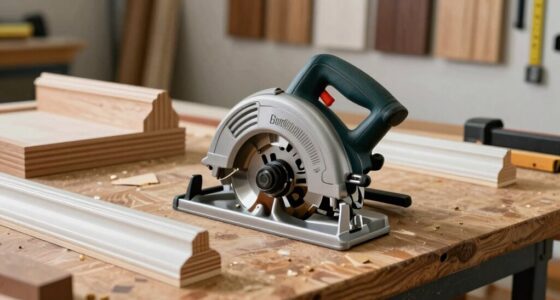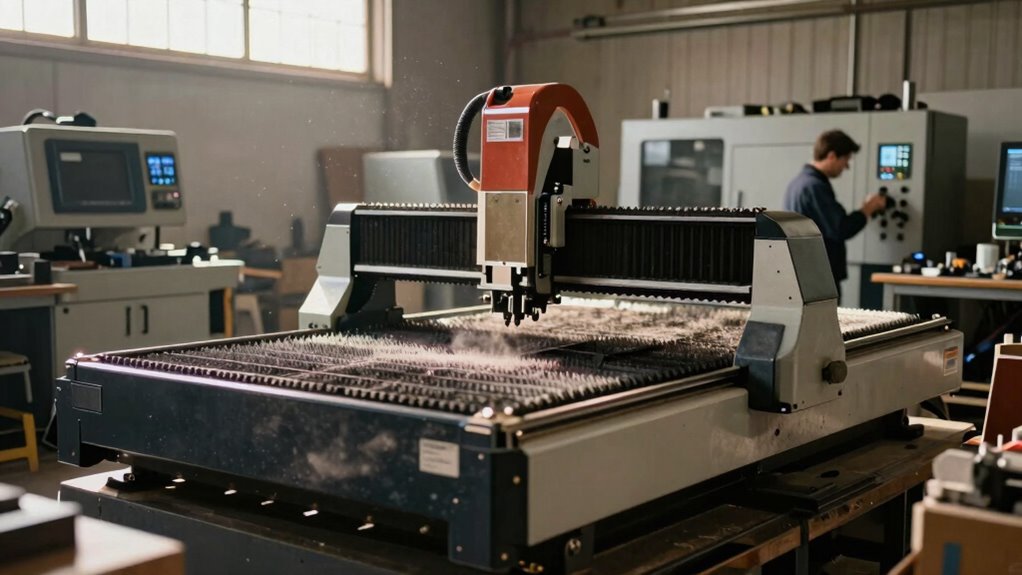

CNC router size matters more than marketing suggests because it directly affects your project’s potential. A larger router lets you work with bigger materials, expanding your creative possibilities and improving workflow efficiency. With ample space, you reduce the need for constant adjustments, which minimizes cutting errors and saves time. Choosing the right size now can prevent future limitations and costs. You’ll discover even more benefits of selecting the appropriate dimensions for your projects ahead.

Get business pricing on tools and workshop supplies
- Business-only prices and quantity discounts
- Tax-exempt purchasing
- Multiple users, one account, clear invoices
Key Takeaways
- The cutting capacity of larger CNC routers expands project possibilities, preventing creativity constraints from smaller machines.
- Workspace efficiency improves with larger machines, minimizing material repositioning and reducing cutting errors.
- Investing in a suitably sized CNC router now avoids complications and costs of needing additional machines in the future.
- Misleading marketing may overshadow the significance of size; understanding it leads to smarter, more practical purchasing decisions.
- A larger CNC router enhances creative confidence, enabling ambitious projects and fostering a smoother workflow.
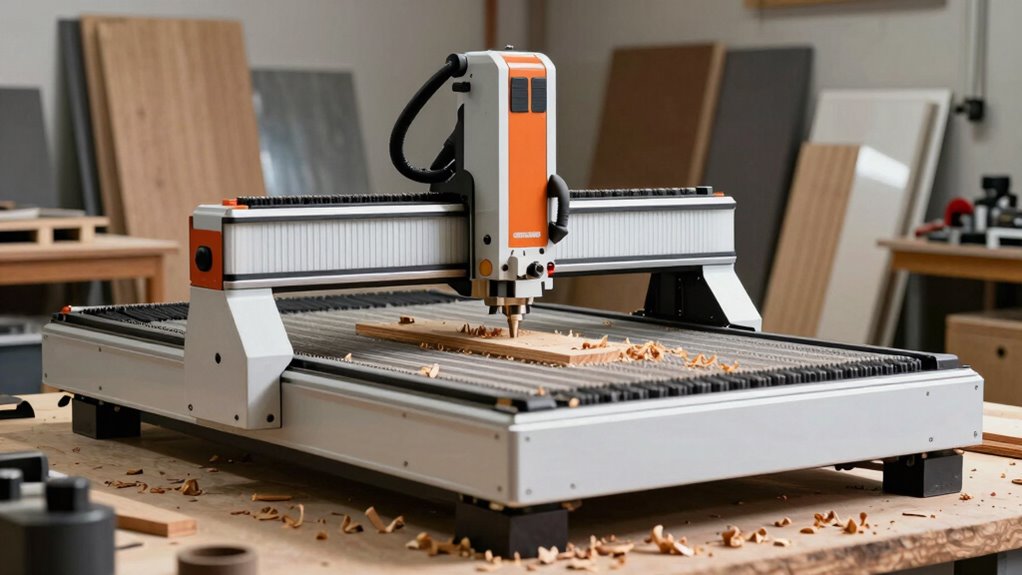
When it comes to CNC routers, size truly matters. You might think that marketing buzzwords and flashy features are all you need to focus on, but the truth is, the machine dimensions play a significant role in your projects. The size of your CNC router directly influences its cutting capacity and workspace efficiency. If you want to maximize what you can create, understanding these aspects is vital.
First, let’s talk about cutting capacity. A larger CNC router typically has the ability to handle bigger materials, which opens up a world of possibilities for your projects. If you’re constrained by the size of your machine, you might find yourself facing project limitations that can stifle your creativity. Imagine wanting to carve out a large sign or build a piece of furniture but realizing your router can’t accommodate the dimensions you need. That frustration can lead to wasted time and resources, not to mention a dent in your confidence. Additionally, machine size impacts the types of projects you can undertake, influencing your overall workflow and productivity. Recognizing the machine footprint is essential for planning an efficient workspace that suits your project demands. Moreover, selecting the right size can help you better utilize your workspace layout and avoid clutter or inefficiency.
A larger CNC router expands your creative possibilities, freeing you from project limitations and boosting your confidence in your work.
Workspace efficiency is another important factor. The right machine dimensions allow you to optimize your workspace, letting you work on larger pieces without constantly repositioning your material. If you’re frequently adjusting and clamping down smaller sections, you’re not only wasting time but also increasing the risk of errors in your cuts. A spacious working area means you can set up your project and let the machine do its job without interruptions. You’ll be amazed at how much more smoothly everything flows when your router fits your workflow.
Moreover, consider how size impacts your future projects. If you invest in a compact machine now, you might save some money upfront, but what happens when you want to tackle larger projects down the line? You could end up needing a second machine, which complicates your workshop setup and costs you more in the long run. Think about your goals and how the machine dimensions align with your vision.
In the end, don’t let marketing hype fool you. A CNC router’s size is more than just a number; it’s about the opportunities it can provide for your creativity. Choosing the right machine can enhance your workspace efficiency, broaden your cutting capacity, and eliminate project limitations. Additionally, understanding CNC router size can help you make smarter purchasing decisions that match your current and future needs. So, when you’re on the hunt for that perfect CNC router, remember: bigger isn’t just better; it’s vital for bringing your ideas to life.
large CNC router for woodworking
As an affiliate, we earn on qualifying purchases.
As an affiliate, we earn on qualifying purchases.
Frequently Asked Questions
What Factors Determine the Ideal CNC Router Size for My Projects?
To determine the ideal CNC router size for your projects, consider your project requirements and material thickness. Assess your workspace constraints to guarantee it fits comfortably. Budget considerations will also play a role, as larger machines can be pricier. Don’t forget about future scalability; a versatile design can adapt to different projects. Balancing these factors will help you choose a router that meets your current and future needs effectively.
How Does CNC Router Size Affect Cutting Speed and Precision?
Imagine a tightrope walker balancing high above the ground; that’s your CNC router managing cutting tasks. The size of your router directly impacts its cutting speed and precision. A larger machine often offers greater stability, allowing for deeper cuts without compromising accuracy. When you’ve got a stable platform, the router can maintain consistent speeds, leading to cleaner, more precise cuts. So, the right size really does make all the difference in your projects.
Can I Modify My CNC Router Size After Purchase?
Yes, you can modify your CNC router size after purchase, but keep in mind the compatibility concerns with your existing components. Size adjustments might require new parts or modifications to the frame, which could affect performance. Before diving in, verify that any changes won’t compromise precision or cutting speed. Always consult the manufacturer’s guidelines or seek expert advice to guarantee your modifications are safe and effective for your specific needs.
What Materials Can a Smaller CNC Router Effectively Handle?
A smaller CNC router can effectively handle various wood types, such as plywood, MDF, and hardwood, typically up to 1-2 inches in material thickness. It’s great for projects with a smaller scale, allowing for precise cuts that meet your precision needs. However, you’ll need to take into account cutting depth and cost considerations, as smaller routers might limit your options for thicker materials. Balancing these factors helps you maximize your router’s potential.
Are There Size Limitations for Specific CNC Router Brands?
Yes, there are size limitations for specific CNC router brands. Each brand has its own specifications, which dictate the maximum work area and material thickness it can handle. When you’re making size comparisons, keep in mind that some brands may prioritize compact designs over larger capacities. Make sure to review the specifications carefully to verify the router meets your project needs, especially if you’re working with larger materials or complex designs.
Conclusion
In the world of CNC routers, size isn’t just a number—it’s your gateway to creativity and efficiency. When you invest in the right dimensions, you’re not just buying a machine; you’re opening up endless possibilities. Remember, it’s not about flashy marketing; it’s about the tangible results you can achieve. Just like a blacksmith forging steel, the right size can transform your projects from ordinary to extraordinary. So, choose wisely and watch your craftsmanship soar!
Halloween Picks
halloween
As an affiliate, we earn on qualifying purchases.