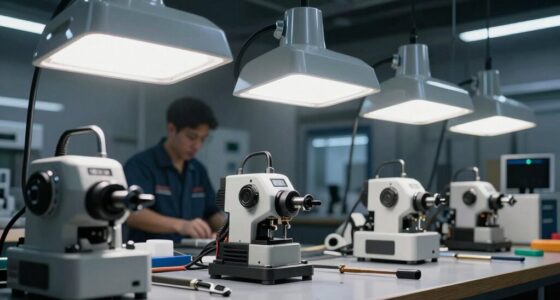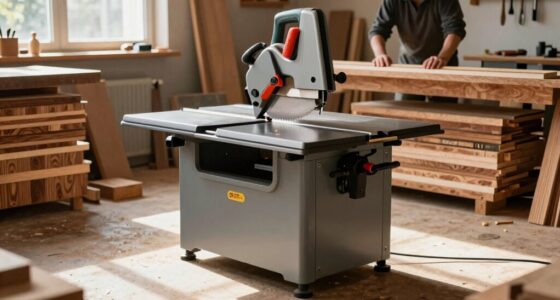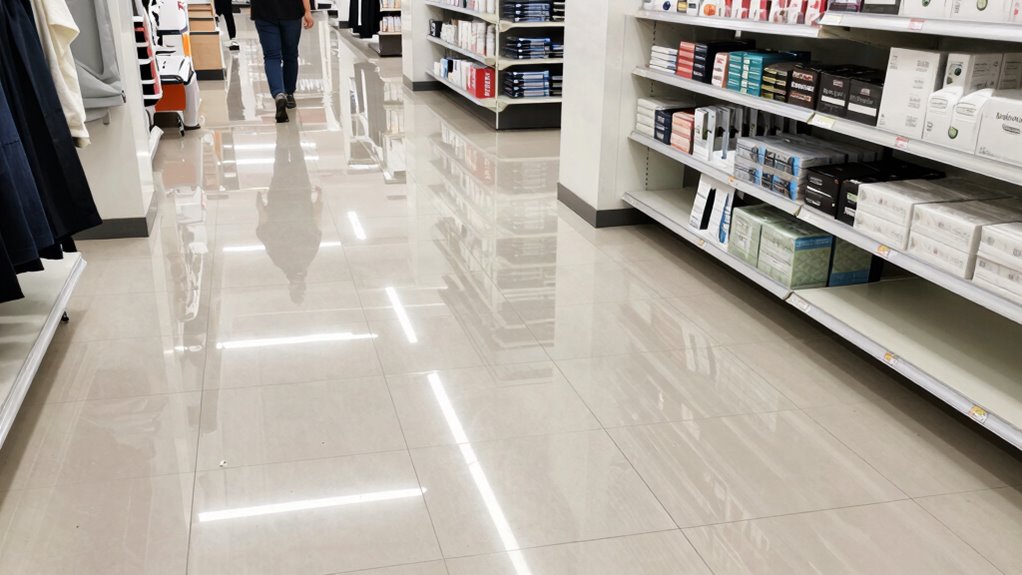
Keeping your floors clean makes your shop safer and your builds better. It reduces the risk of slips, trips, and accidents, helping everyone move safely and quickly. Clean floors also make it easier to spot hazards early, like leaks or debris, preventing delays. Plus, they protect equipment from damage and extend their lifespan. Staying on top of cleanliness supports OSHA compliance and boosts overall efficiency. Want to discover even more ways clean floors improve your work environment?

Get business pricing on tools and workshop supplies
- Business-only prices and quantity discounts
- Tax-exempt purchasing
- Multiple users, one account, clear invoices
Key Takeaways
- Clean floors reduce slip and trip hazards, preventing accidents and injuries in shops and construction sites.
- Maintaining cleanliness helps identify potential hazards like leaks or structural issues early.
- A tidy environment enhances equipment performance and prevents machinery breakdown caused by debris buildup.
- Clean floors promote efficient movement of personnel and materials, supporting project timelines.
- Upholding cleanliness demonstrates professionalism and safety compliance, improving inspection outcomes.
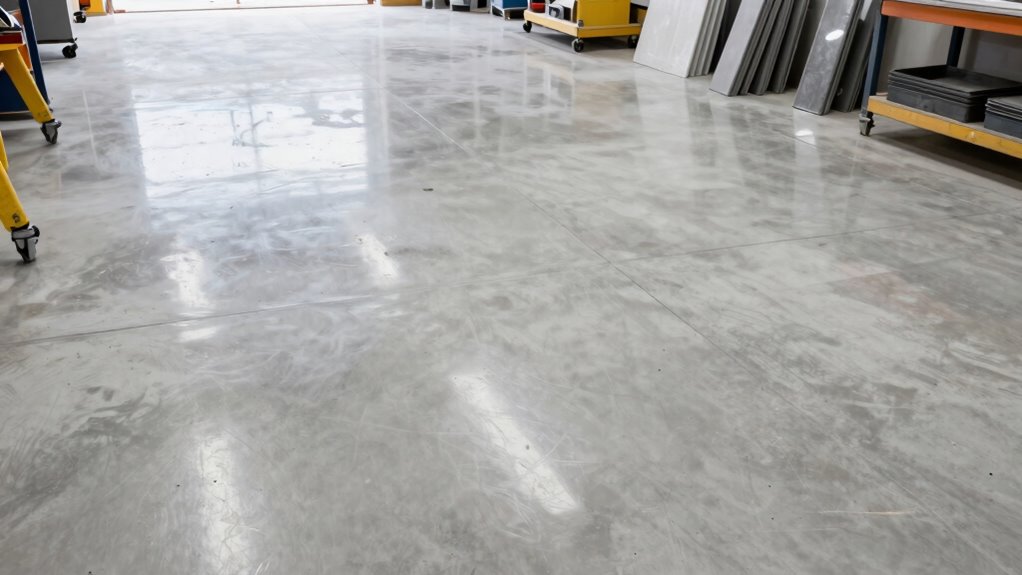
A clean floor isn’t just about appearance; it’s an essential factor in maintaining a safe and efficient workspace. In any shop, whether a warehouse or a construction site, the cleanliness of your floors directly impacts safety and productivity. When your floors are free of debris, spills, or obstructions, you reduce the risk of accidents, slips, and falls. This focus on warehouse safety isn’t just about compliance; it’s about protecting your team and ensuring operations run smoothly. Clean floors make it easier for workers to move swiftly without worrying about tripping hazards, which can cause serious injuries or delays. Additionally, a tidy environment fosters better organization, helping you locate tools and materials faster, saving time, and minimizing confusion.
Construction hygiene is equally important during building projects. A cluttered or dirty site can lead to hazards that compromise worker safety and the quality of the build. Dust, mud, and leftover debris can obscure hazards or cause machinery to malfunction. Regular cleaning routines help maintain a safer construction environment, preventing accidents caused by hidden obstacles or slippery surfaces. Furthermore, a focus on construction hygiene demonstrates professionalism and respect for safety standards, which can influence inspections and project approvals. When your work area is clean, it’s easier to spot potential issues early, such as leaks or structural concerns, allowing for prompt repairs that keep the project on schedule. Incorporating effective cleaning protocols can also improve overall site efficiency and safety compliance. Proper cleaning practices also help prevent the buildup of airborne dust and allergens, which benefits workers’ health and productivity.
Maintaining clean floors isn’t just about immediate safety; it also plays a role in long-term durability and quality. Dust and dirt can cause machinery wear and tear if not managed properly, leading to costly repairs or replacements. In construction, keeping the site clean ensures that materials stay in good condition, reducing waste and rework. It also contributes to a healthier environment by minimizing airborne dust and allergens, which benefits workers’ health and productivity. Implementing effective cleaning protocols, whether through regular sweeping, mopping, or debris removal, signals your commitment to safety and quality. It encourages a culture of responsibility, where everyone understands that a tidy workspace is a shared priority. Proper cleaning practices also support the longevity of equipment and the overall success of your projects.
In the end, clean floors are fundamental to creating safer shops and better builds. They support warehouse safety, improve construction hygiene, and promote a proactive approach to health and efficiency. When you prioritize cleanliness, you’re not just maintaining appearances—you’re actively protecting your team, extending the lifespan of your equipment, and ensuring your projects succeed.
As an affiliate, we earn on qualifying purchases.
Frequently Asked Questions
How Often Should Shop Floors Be Cleaned for Safety?
You should clean your shop floors daily to maintain safety, especially to improve floor traction and reduce slip hazards. Regular cleaning prevents the buildup of dust, oil, and debris that can cause slips and falls. If your shop handles liquids or greasy materials, consider more frequent cleanings or immediate spill management. Consistently monitoring and maintaining clean floors guarantees a safer environment, protecting workers and enhancing overall productivity.
What Cleaning Products Are Safest for Workshop Floors?
Did you know that using the right cleaning products can reduce workplace injuries by up to 30%? For your workshop floors, opt for industrial disinfectants that effectively eliminate germs and spills. Eco-friendly cleaners are also a smart choice—they’re safe for the environment and less likely to cause health issues. Always check labels for safety certifications and confirm products are suitable for your specific flooring type to keep your shop safe and clean.
Can Regular Cleaning Extend the Lifespan of Shop Flooring?
Yes, regular cleaning can extend your shop flooring’s lifespan. By maintaining consistent cleaning frequency, you prevent dirt, debris, and chemicals from degrading the surface, which helps improve floor durability. This proactive approach reduces wear and tear, preventing costly repairs or replacements. Keeping your floors clean not only preserves their quality but also creates a safer, more efficient workspace. Make cleaning a routine to guarantee your floors stay resilient over time.
Are There Specific Cleaning Methods for Different Flooring Types?
Think of your floors as a canvas—each type needs a tailored brushstroke. For concrete, use eco-friendly cleaning solutions that cut grime without harming the environment. For polished hardwood, opt for gentle, industrial floor maintenance methods to preserve its shine. Tile floors benefit from regular mopping with mild cleaners. Knowing the specific cleaning methods for each flooring type guarantees longevity, safety, and a spotless shop environment.
How Does Floor Cleanliness Impact Employee Productivity?
Floor cleanliness directly impacts your employee focus by reducing floor dirt and hazards. When floors are tidy, employees spend less time maneuvering around obstacles or cleaning up messes, allowing them to concentrate on their tasks. A clean workspace minimizes distractions, boosts morale, and enhances overall productivity. Regularly maintaining floor cleanliness creates a safer environment and guarantees your team stays engaged and efficient throughout their shift.
Conclusion
So, next time you’re sweeping or mopping, remember—you’re not just tidying up; you’re actively preventing accidents and laying the foundation for better builds. But what if the true impact of a clean floor goes even deeper? Could it be the secret ingredient that transforms chaos into craftsmanship? Keep your shop spotless, and you might just reveal more than you ever imagined—waiting quietly in the shadows for you to discover.
Fall Picks
fall essentials
As an affiliate, we earn on qualifying purchases.