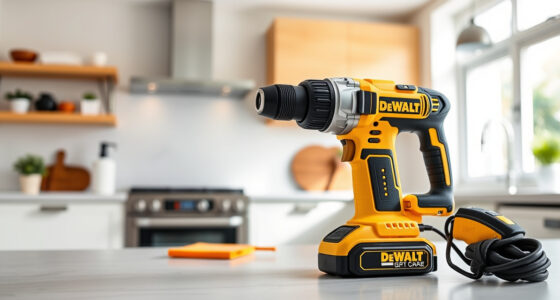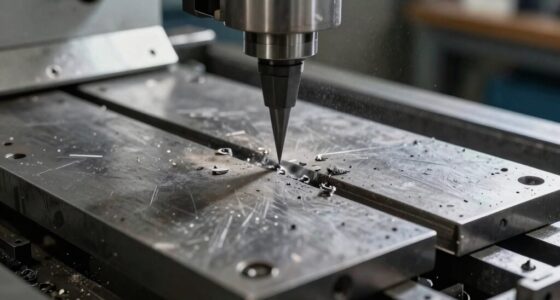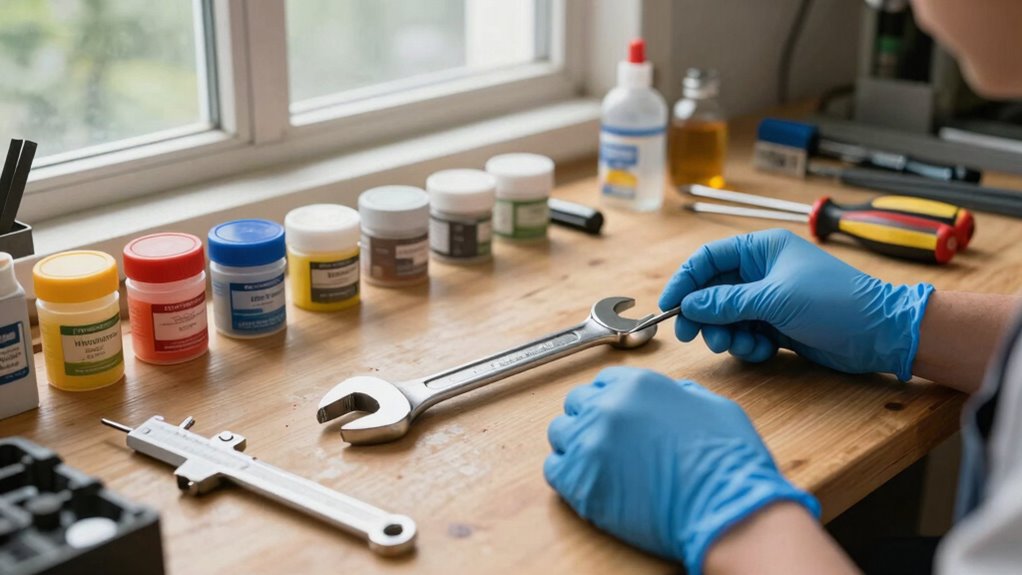

To prevent “mystery problems,” you should follow a consistent tool maintenance routine that includes regular calibration, proper storage, and routine cleaning. Always keep tools in a protected environment to avoid dust and moisture. Inspect and lubricate moving parts, tighten loose components, and replace worn-out parts proactively. A systematic schedule of care reduces unexpected failures and extends your tools’ lifespan. Stick to these routines, and you’ll keep your tools accurate, safe, and reliable—plus, there’s more to discover if you keep going.

Get business pricing on tools and workshop supplies
- Business-only prices and quantity discounts
- Tax-exempt purchasing
- Multiple users, one account, clear invoices
Key Takeaways
- Conduct regular calibration to ensure tools maintain accuracy and detect issues early.
- Store tools properly in designated, clean, and dry environments to prevent damage.
- Implement routine cleaning, lubrication, and inspections to identify wear or damage early.
- Establish a consistent maintenance schedule combining calibration, storage checks, and preventive care.
- Maintain consistency in routines to prevent unexpected failures, extend tool lifespan, and ensure safety.
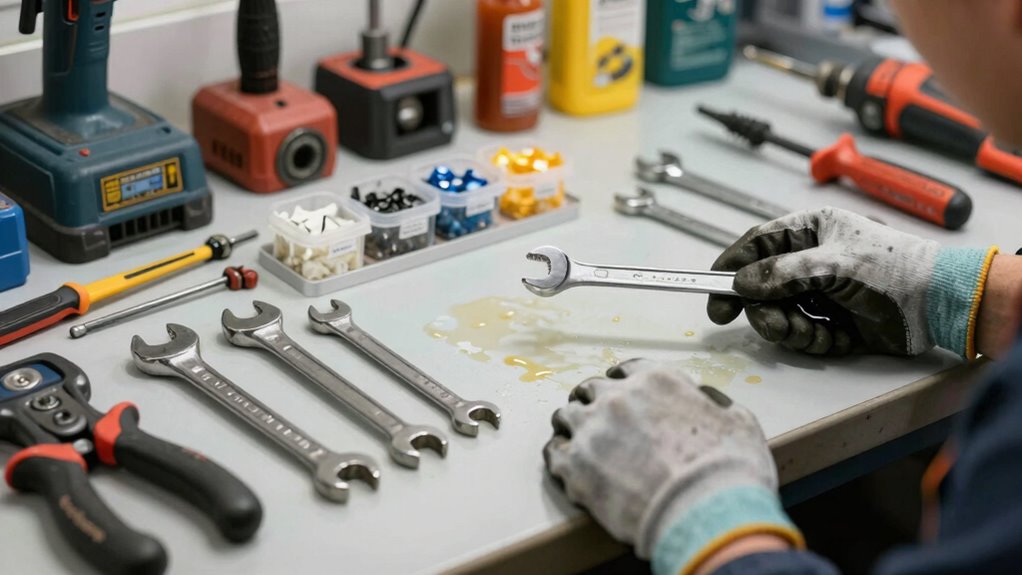
Have you ever wondered why tools often break down unexpectedly? It’s frustrating when you’re in the middle of a project and a tool suddenly malfunctions, wasting your time and causing delays. Many of these issues stem from neglecting routine maintenance, especially proper tool calibration and storage best practices. Regular calibration ensures your tools perform accurately and safely, preventing errors that can arise from measurement inaccuracies. When tools are out of calibration, they might seem fine at first but can produce flawed results over time, leading to “mystery problems” that are difficult to diagnose. By setting a schedule for tool calibration, you catch these issues early, keeping your tools reliable and your work precise.
Regular calibration prevents hidden errors and keeps your tools dependable and your work precise.
Storage is equally critical in maintaining your tools’ longevity and performance. Poor storage practices expose tools to dust, moisture, and accidental damage, all of which contribute to unexpected breakdowns. You should always store tools in designated areas that protect them from environmental hazards and physical harm. Using proper storage solutions like cabinets, cases, or racks helps organize your tools and prevents unnecessary wear and tear. Maintaining a clean, dry environment reduces rust and corrosion, which are common culprits behind tool failure. Implementing storage best practices means regularly inspecting your storage area, ensuring tools are returned to their proper places after each use, and avoiding overcrowding that can lead to scratches or dents. Additionally, understanding the importance of tool maintenance routines can significantly extend the lifespan of your equipment. Incorporating routine inspections into your schedule allows you to identify potential issues before they escalate into costly repairs, especially when combined with proper calibration practices. Establishing a preventive maintenance schedule also helps you stay ahead of potential problems, reducing the likelihood of sudden failures. Recognizing the impact of environmental conditions on tools further emphasizes the importance of proper storage practices.
In addition to calibration and storage, establishing a routine maintenance schedule keeps your tools in top shape. Regularly cleaning tools after use removes dirt, grease, and debris that can cause corrosion or impair functionality. Lubricating moving parts prevents friction and wear, extending the life of your equipment. When you follow a systematic approach—checking for damage, tightening loose parts, and replacing worn-out components—you *considerably* reduce the chances of encountering mysterious, hard-to-trace problems later on. A proactive maintenance routine not only preserves your tools but also enhances safety during operation.
Ultimately, the key to avoiding unexpected tool failures lies in consistency. By incorporating tool calibration into your regular routine and adhering to storage best practices, you create a foundation for reliable, long-lasting tools. These simple, disciplined steps help you catch issues early and prevent minor problems from snowballing into larger, more costly repairs. When you prioritize routine maintenance, you empower yourself to work smarter, minimize downtime, and keep your projects running smoothly without those frustrating “mystery problems” that seem to pop up out of nowhere.
As an affiliate, we earn on qualifying purchases.
Frequently Asked Questions
How Often Should I Perform Tool Maintenance?
You should perform tool maintenance regularly, ideally following a strict maintenance schedule tailored to your tools’ usage. Check and calibrate your tools periodically—perhaps weekly or after heavy use—to guarantee accuracy and safety. Maintenance scheduling helps you catch issues early, preventing mystery problems later. Consistent calibration and inspections keep your tools in top shape, reducing downtime and extending their lifespan. Stay proactive to maintain peak performance and avoid unexpected breakdowns.
What Are Signs My Tools Need Repair?
You’ll notice signs your tools need repair if they start to give inaccurate results, which could be due to misaligned tool calibration. Rust spots, sticking parts, or unusual noises also indicate issues. To prevent these problems, regularly check for rust and clean your tools, and perform calibration if accuracy is compromised. Prompt repairs and maintenance keep your tools functioning properly, reducing the risk of mystery problems and extending their lifespan.
Can Improper Maintenance Cause Safety Risks?
Yes, improper maintenance can cause safety hazards. When you neglect routine maintenance, tools may become unstable, malfunction, or break unexpectedly, increasing the risk of accidents. Maintenance neglect can lead to dangerous situations, like sparks, electrical shorts, or tool failure during use. To protect yourself and others, always follow proper maintenance procedures, inspect tools regularly, and address issues promptly to prevent safety risks and guarantee safe working conditions.
Which Cleaning Products Are Best for Tools?
Think of cleaning agents as the heart of your tools’ health. You should choose mild, non-abrasive cleaners that won’t corrode or damage sensitive parts. For metal tools, mild soap and water work well, while specialty lubricants protect moving parts. Using the right cleaning products extends your tools’ longevity, keeps them performing at their best, and prevents costly repairs down the line. Always follow manufacturer guidelines for best results.
How Do I Store Tools to Prevent Damage?
To prevent damage, you should store your tools properly using designated tool storage solutions like toolboxes, racks, or wall hooks. Keep them in a dry, clean environment to avoid rust and corrosion. Regularly organize and inspect your tools to catch any issues early. Proper tool storage not only prolongs their lifespan but also keeps them in ideal condition, making your work safer and more efficient while preventing costly repairs or replacements.
Conclusion
By following a consistent tool maintenance routine, you markedly reduce the chances of encountering unexpected “mystery problems.” Regular upkeep can extend the life of your tools by up to 30%, saving you time and money in the long run. Remember, a well-maintained tool is a reliable tool. Stay proactive, keep up with your routine, and you’ll find that projects run smoother, with fewer surprises and more successful results.
Fall Picks
fall essentials
As an affiliate, we earn on qualifying purchases.