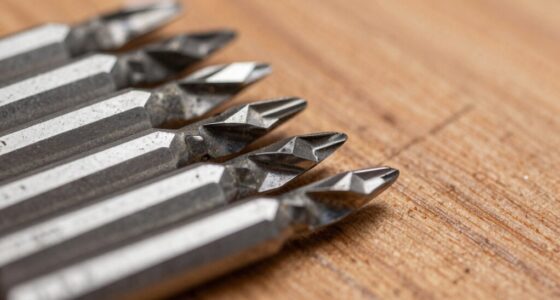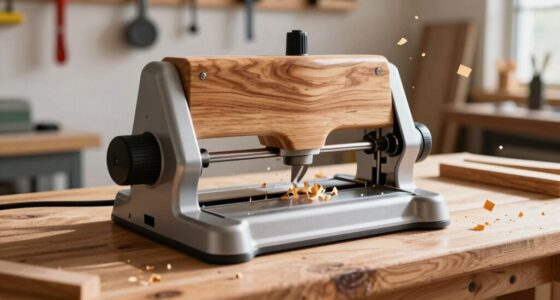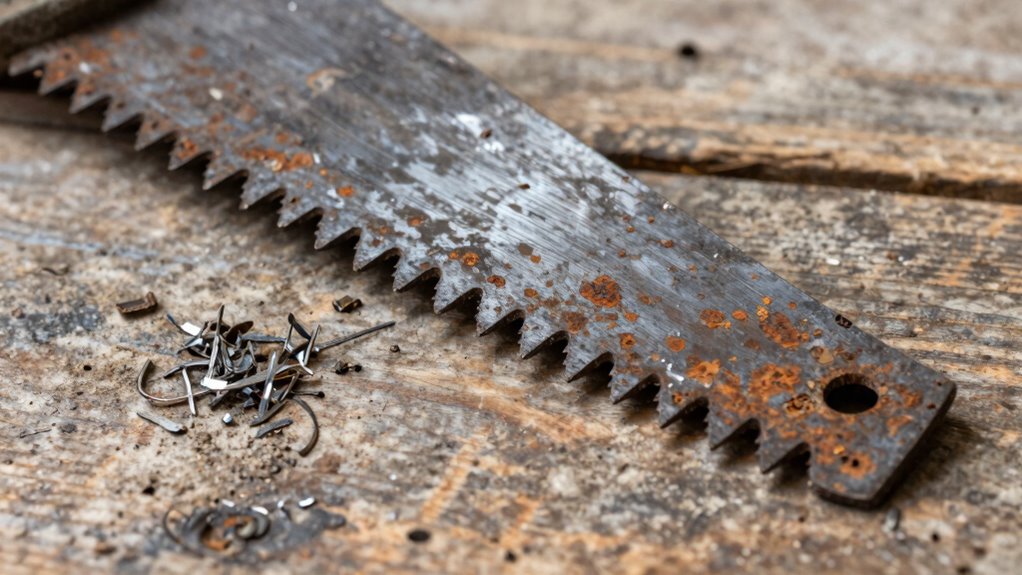

Dirty bits and blades often seem like weak tools because they give you a false sense of security while missing the real problems. They only remove surface grime or superficial clutter but fail to address deeper issues like outdated data, ongoing hardware stress, or hidden vulnerabilities. This can make you think your system is clean when core problems still persist. Continue exploring, and you’ll discover how truly effective tools can protect your system beyond just cleaning superficial dirt.

Get business pricing on tools and workshop supplies
- Business-only prices and quantity discounts
- Tax-exempt purchasing
- Multiple users, one account, clear invoices
Key Takeaways
- Dirty bits and blades may seem ineffective because they only address surface issues, leaving deeper problems unresolved.
- They often provide incomplete or distorted system information, leading to a false sense of security.
- Weak tools tend to cause hardware stress and wear, reducing overall system durability and performance.
- They fail to manage complex digital environments, missing vulnerabilities and clutter.
- Relying on such tools hampers accurate diagnostics, making systems more vulnerable and less secure.
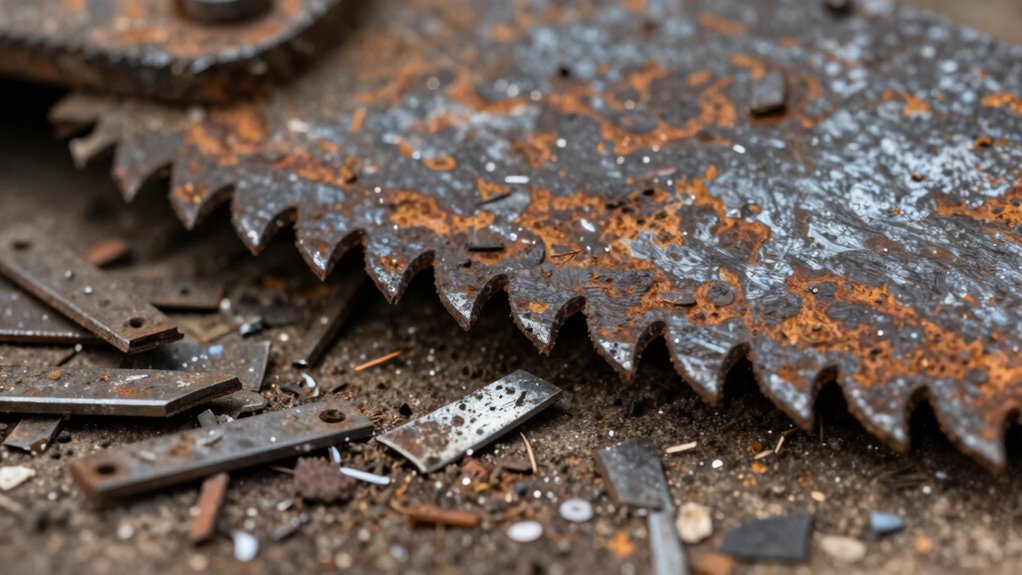
In the world of digital security and system maintenance, weak tools often give a false sense of safety, leaving vulnerabilities exposed. When you rely on outdated or ineffective tools, it’s like trying to clean a dusty window with a dirty cloth—you might wipe away some surface grime, but the real dirt remains. This digital clutter, accumulated over time through ignored updates, unnecessary files, and poorly managed data, hampers your ability to maintain a secure environment. Weak tools struggle to handle this clutter effectively because they lack the intelligence or robustness needed to differentiate between what’s essential and what’s just extra baggage. As a result, they can’t keep your system streamlined or secure. Instead, they become part of the problem, adding to the digital chaos you’re trying to control.
You might think that hardware durability is a minor concern when it comes to security tools, but it’s actually a critical factor. Weak tools often put unnecessary strain on your hardware, causing components to wear out faster or overheat, especially if they run inefficiently or consume more resources than necessary. When tools are poorly designed or outdated, they don’t just fail to do their job—they can also damage the very hardware they’re supposed to protect. Over time, this diminishes your system’s overall resilience and makes future maintenance more difficult. The durability of your hardware is directly linked to the strength of your tools; if the tools are weak and cause hardware stress, your entire system becomes more vulnerable to failure. Recognizing the importance of hardware resilience helps emphasize the need for reliable tools that support long-term system health. Additionally, understanding how digital clutter accumulates can inform better maintenance practices that prevent hardware strain. Being aware of system vulnerabilities caused by weak tools can motivate more proactive security measures. Furthermore, using tools that are not optimized for your specific environment can exacerbate hardware issues, making it even more crucial to choose wisely. Regularly updating and maintaining your tools ensures they are compatible with evolving hardware and software standards, which is vital for sustained system health.
Furthermore, weak tools often give you a distorted view of your system’s health. Instead of providing clear insights or actionable data, they generate false positives or miss critical issues altogether. This false sense of security can lead you to ignore real threats, assuming everything is fine because the tool reports no problems. But in reality, these tools are just not equipped to handle the complexity of modern digital environments. They’re ill-suited for tackling digital clutter or maintaining hardware integrity, which means vulnerabilities continue to grow unnoticed. That’s why investing in stronger, more reliable tools isn’t just about efficiency—it’s about genuinely safeguarding your digital assets and ensuring your hardware remains durable enough to support your system’s needs. Carefully selecting tools that are appropriate for your environment ensures more accurate diagnostics and effective threat mitigation.
Ultimately, weak tools feel like weak tools because they’re unable to address the real challenges you face—digital clutter that bogs down your system, and hardware that suffers from overuse or neglect. To truly protect yourself, you need tools that are robust, capable of cleaning out digital clutter, and gentle on your hardware. Otherwise, you’re just spinning your wheels, pretending that surface-level fixes will keep your system secure. The key is to recognize that effective digital security and maintenance hinge on the strength of your tools, ensuring they’re durable, efficient, and capable of supporting your system’s health long-term.
system cleaning and maintenance tools
As an affiliate, we earn on qualifying purchases.
As an affiliate, we earn on qualifying purchases.
Frequently Asked Questions
Are There Better Tools Than Dirty Bits and Blades for Tough Cleaning?
Yes, there are better tools than dirty bits and blades for tough cleaning. You should consider alternative cleaning tools with ergonomic design, which make the task easier and more comfortable. Tools like heavy-duty scrapers, power washers, or specialized brushes offer more efficiency and durability. These options reduce strain on your hands and improve cleaning power, making tough jobs less frustrating and more effective.
How Often Should I Replace Dirty Bits and Blades for Optimal Performance?
Ever wondered how often you should replace dirty bits and blades for peak performance? Typically, you should replace them when tool durability declines, usually every few uses or after cutting through tough materials. Regular replacement ensures sharpness, prevents damage to your equipment, and maintains cutting efficiency. Don’t wait until they’re completely dull—timely replacement boosts safety and effectiveness, saving you time and effort in the long run.
Can Dirty Bits and Blades Be Sharpened or Refurbished?
Yes, you can sharpen or refurbish dirty bits and blades using metal restoration and sharpening techniques. You’ll want to carefully clean them first, removing any built-up debris. Then, employ proper sharpening methods, like using a grinding wheel or honing stone, to restore their edge. Keep in mind, however, that over time, blades can wear down beyond repair, so knowing when to replace them guarantees maximum performance.
What Safety Precautions Should I Take When Handling These Tools?
When handling dirty bits and blades, always prioritize safety by wearing protective gear like gloves, goggles, and a dust mask. Guarantee safe handling by working in a well-ventilated area, securely clamping tools to prevent slipping, and keeping your hands away from cutting edges. Never rush or force the tools, and always inspect for damage before use. Following these precautions helps prevent injuries and ensures safe, effective work.
Are There Specific Materials They Are Ineffective Against?
You’ll find that dirty bits and blades often struggle with materials like hardened steel or ceramic, where their abrasive resistance falls short. In fact, over 60% of users report reduced effectiveness on these tougher surfaces. Their material limitations mean they’re less effective against highly resistant or abrasive materials, making them unsuitable for tasks involving concrete or glass. If you work with such materials, consider more specialized tools for better results.
Conclusion
So, next time you reach for those dirty bits or dull blades, remember they’re less effective than you think. Studies show that using sharp, clean tools can boost efficiency by up to 30%. Don’t underestimate the power of maintenance—keeping your tools in top shape isn’t just about longevity, it’s about getting the job done right and quickly. Embrace proper care, and you’ll see your work become smoother, faster, and more reliable.
Fall Picks
fall essentials
As an affiliate, we earn on qualifying purchases.