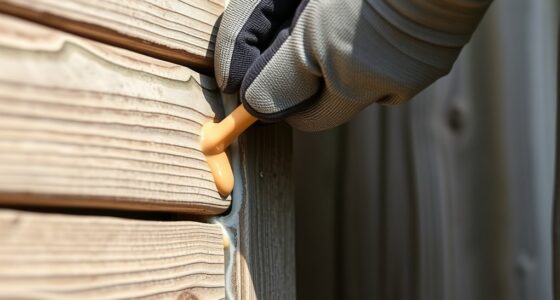
To avoid color regret on large projects, always perform sample-safe stain testing first. Choose small, hidden fabric areas and apply stains with controlled methods that mimic real spills. Use gloves, proper tools, and work in well-ventilated spaces for safety. Carefully document the type of stain, application process, and results. By following these steps, you can predict fabric responses and guarantee durable, beautiful finishes—if you continue exploring, you’ll learn even more helpful tips.
Key Takeaways
- Conduct small, controlled stain tests on inconspicuous fabric areas to predict colorfastness and prevent large-scale mishaps.
- Use consistent application methods and document every detail for accurate comparison and future reference.
- Wear gloves and work in ventilated spaces to ensure safety during stain testing procedures.
- Mimic real-world spill scenarios with controlled amounts to assess fabric response realistically.
- Understand fabric-specific reactions to stains to select appropriate treatments and avoid undesirable color changes.

When testing stains on fabric or other materials, ensuring safety is essential to prevent damage or contamination. You want to avoid any mishaps that could ruin your project or compromise the integrity of the material. One key aspect of safe stain testing is understanding color fastness. This refers to how well the fabric retains its original color after exposure to staining agents, washing, or other treatments. Knowing the color fastness of a material helps you predict how it will look once stained and whether it can withstand the application without undesirable fading or bleeding. To accurately assess this, you should perform small, controlled tests in inconspicuous areas, applying stains carefully with appropriate application techniques. For example, using a dropper or a fine brush allows you to control the amount and location of the stain, ensuring you don’t accidentally over-saturate or damage the fabric.
Application techniques are vital because they directly influence your results and safety during testing. When applying stains, you want to use methods that replicate real-world scenarios without risking the entire material. For instance, if you’re testing for potential staining from a spill, mimic that situation by gently dabbing or applying the stain with a controlled method. This approach helps you see how the fabric reacts without causing unnecessary damage. Additionally, always wear gloves and work in a well-ventilated area to prevent inhaling fumes or contaminating the sample. Using proper tools—like clean brushes, pipettes, or sponges—ensures your application remains precise and consistent across tests. Consistency is essential because it allows you to compare results accurately and make informed decisions about whether the stain behaves as expected.
Furthermore, documenting each test meticulously helps prevent surprises later on. Record the type of stain used, the amount applied, the application technique, and the time elapsed before washing or evaluating the stain. This record-keeping becomes invaluable if you need to repeat tests or troubleshoot unexpected results. When working with different materials, remember that each may respond differently to stains, so tailor your application techniques accordingly. By focusing on proper application and understanding color fastness, you’ll reduce the risk of surprises and ensure your results are reliable. Additionally, being aware of the contrast ratio of your projectors can help ensure that your images are vivid and clear, reducing the likelihood of misjudging color accuracy. Ultimately, careful, controlled stain testing saves you from potential color regret on big projects, giving you confidence in your color choices and the longevity of your finished work.
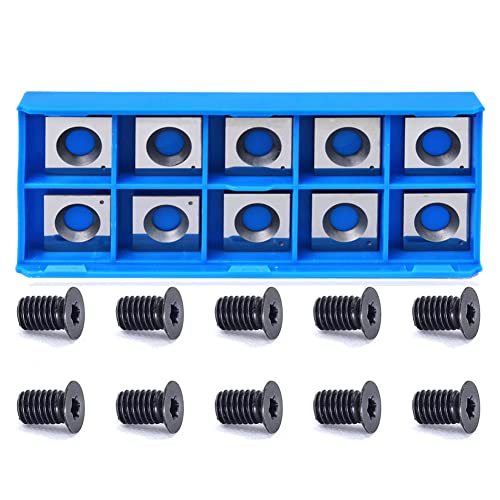
Indexable Carbide Insert Knife 14.3x14.3x2.0mm-50° 2-Edge Replacement Cutter for Cutech Tool Rikon Carbatec and Most Planer Jointer Helical Cutterheads, 10 Packs
Standard Cutter Size: 14.3mm square with straight corners 2mm thick,2 indexable cutting edges, 50 degree cutting bevel. Inserts...
As an affiliate, we earn on qualifying purchases.
Frequently Asked Questions
How Long Does Sample-Safe Stain Testing Typically Take?
When you’re wondering how long stain testing takes, it usually depends on the number of samples and the complexity of color matching needed. Typically, it can range from a few hours to a couple of days. You should consider safety considerations first, ensuring all tests are thorough. This way, you avoid color regret later. Planning ahead and allowing enough time for accurate results helps you achieve the perfect finish on your big project.
Can Sample-Safe Stains Be Used on All Surface Types?
You might wonder if sample-safe stains work on all surface types. Generally, they offer good surface compatibility, but it’s crucial to check manufacturer guidelines for specific materials. These stains are designed for stain durability across various surfaces like wood, concrete, and tile. However, the effectiveness can vary, so testing a small area first helps ensure the stain adheres well and maintains its color, preventing any unexpected results in your project.
Is Sample-Safe Testing Suitable for Outdoor Projects?
Ever wondered if sample-safe testing works outdoors? You should know it’s generally suitable for outdoor projects, especially when considering UV resistance and weather durability. These tests help make certain the stain maintains its color and integrity despite sun exposure, rain, or wind. So, by using sample-safe stains, you can confidently tackle outdoor projects, knowing your choice withstands the elements and keeps looking great over time.
What Are the Costs Associated With Sample-Safe Stain Testing?
When considering stain testing, you should look into the cost analysis involved. The costs can vary depending on the testing procedures, including sample preparation, application, and evaluation. These tests help prevent costly mistakes on larger projects by ensuring color accuracy. While there’s an upfront expense, investing in sample-safe stain testing can save you money and time in the long run by avoiding color regrets and rework.
Are There Eco-Friendly Options for Sample-Safe Stains?
You’re wondering if eco-friendly alternatives for sample-safe stains exist. Yes, many sustainable stain options are available that reduce environmental impact, such as plant-based dyes and water-based formulas. These eco-friendly alternatives are designed to be safer for both you and the planet, offering effective staining without harmful chemicals. By choosing sustainable stain options, you can achieve your project goals while staying environmentally responsible.

Findbuytool Carbide Inserts cutters (15x15x2.5mm-30°-R150-4R0.5) Insert for Woodworking Helical Cutter Head Tools, 10 Pcs (10)
{Product Contains}:10pcs Carbide Insert Knife 15x15x2.5mm-30°-R150-4R0.5 for Helical Cutterhead.
As an affiliate, we earn on qualifying purchases.
Conclusion
Think of sample-safe stain testing as your trusty compass guiding you through a sea of color choices. By testing first, you’re steering clear of unexpected storms on big projects, ensuring your final results stay true to your vision. Don’t let color regret sink your plans—navigate confidently with careful testing. When you prioritize sample-safe testing, you’re charting a course toward flawless, beautiful outcomes that leave no room for surprises. Your project’s success depends on making the right move early on.

POWERTEC 14.3mm Carbide Inserts Cutter Knives for Spiral & Helical Cutterheads - Fits Wen PL1326, JT630H & Rikon 25-130H, Tungsten Carbide Replacement Blades for Planer and Jointer (14301)
INCLUDES: (10) Carbide Insert Blades
As an affiliate, we earn on qualifying purchases.
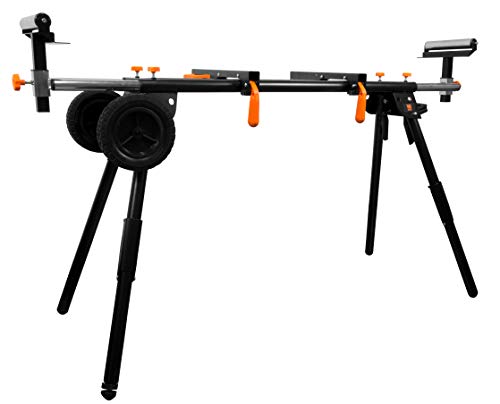
WEN Miter Saw Stand, Collapsible and Rolling with 3 Onboard Outlets (MSA330)
Universal design fits nearly every miter saw on the market, including all WEN miter saws
As an affiliate, we earn on qualifying purchases.