To clean your wood furniture without damage, use a soft microfiber cloth and gently dust along the grain, avoiding harsh scrubbing. For sticky spots, dampen the cloth with water or a mild cleaner, then dry immediately. Avoid using harsh chemicals or excessive moisture to prevent warping. Regular dusting and proper polishing can keep your furniture looking great and protected. Keep exploring to learn how to maintain your furniture’s natural beauty effectively.
Key Takeaways
- Use a soft microfiber cloth and follow the wood grain when dusting to prevent scratches.
- Slightly dampen the cloth with water or mild cleaner; avoid excess moisture to prevent warping.
- Dry immediately after cleaning to eliminate residual moisture and avoid water spots or damage.
- Apply wood polish sparingly, working in the grain, and buff gently to enhance shine without buildup.
- Incorporate regular dusting and proper cleaning techniques to maintain the furniture’s appearance and longevity.
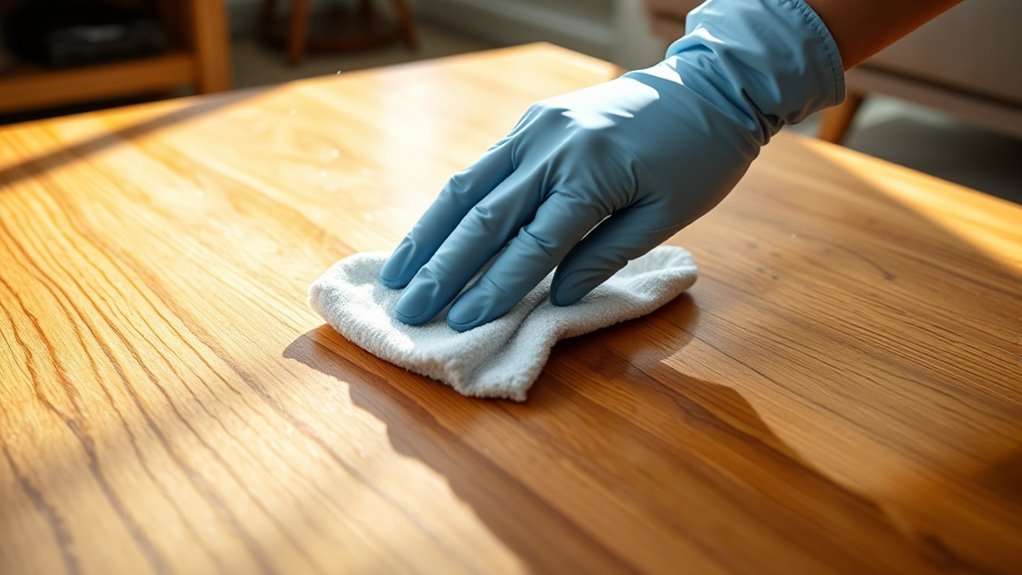
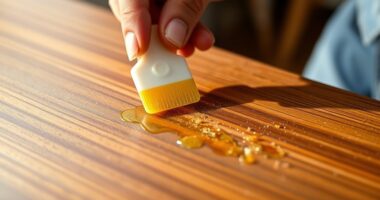
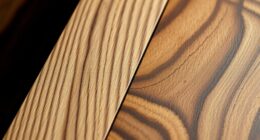
Keeping your wood furniture looking its best requires more than just a quick wipe. To truly maintain its beauty and longevity, you need to adopt proper cleaning techniques and use the right products, like wood polish, to preserve the finish. Dusting often is essential, but how you do it makes all the difference. Instead of using a dry cloth that can scratch the surface, opt for a soft, microfiber cloth. Gently remove dust and dirt, following the grain of the wood rather than rubbing against it. This approach prevents tiny scratches that can dull the finish over time. When dealing with sticky spots or stubborn dirt, dampen your cloth slightly with water or a mild cleaning solution tailored for wood furniture, but never soak the surface. Excess moisture can cause warping or damage, so always dry the surface immediately after cleaning.
Using proper cleaning techniques is vital to avoid damaging the wood’s protective coating. Avoid harsh chemicals, abrasive cleaners, or all-purpose sprays that contain alcohol, ammonia, or silicones, as these can strip or dull the finish. Instead, choose cleaning products specifically formulated for wood furniture, or simply use a mixture of a few drops of gentle dish soap in water. After wiping, follow up with a dry cloth to remove any residual moisture. This step guarantees your furniture stays free of water spots and damage. Once the surface is clean and dry, you might consider applying a wood polish. Not only does polish enhance the shine, but it also provides a protective layer that repels dust and moisture. When applying wood polish, use a soft cloth and follow the product instructions carefully. Buff the surface gently, working in the direction of the wood grain, to achieve an even, natural look.
Regularly maintaining your furniture with these techniques extends its lifespan and keeps its appearance fresh. Incorporate gentle, routine dusting with a microfiber cloth, and only use polish when necessary—perhaps once a month or as needed. Avoid over-polishing, which can lead to buildup and dullness. Remember, less is more. The goal is to clean and protect without stripping away the natural beauty of the wood. Proper cleaning techniques combined with quality wood polish ensure your furniture stays stunning, scratch-free, and well-preserved, making your space truly inviting. Additionally, understanding the importance of proper furniture care can help prevent damage and prolong the life of your wood pieces.
Frequently Asked Questions
Can I Use Lemon Oil on All Types of Wood Furniture?
You shouldn’t use lemon oil on all types of wood furniture. Some woods, like oak or cherry, can react negatively to lemon oil, causing discoloration or damage. Instead, consider lemon oil alternatives or specialized wood-specific cleaning products tailored for your furniture’s finish. Always test a small, hidden area first to verify compatibility, and follow manufacturer instructions to keep your furniture looking its best without risking harm.
How Often Should I Deep Clean My Wooden Furniture?
You should deep clean your wooden furniture every 6 to 12 months, depending on its usage and exposure to dust and dirt. Establish a maintenance schedule that includes regular dusting and spot cleaning to keep it looking its best. Adjust the cleaning frequency based on your environment—more frequent cleaning may be necessary in high-traffic or humid areas to prevent damage and preserve the wood’s finish.
Is It Safe to Use Vinegar on Wood Surfaces?
Did you know that vinegar is safe for 80% of wooden surfaces when used properly? Vinegar safety depends on dilution; undiluted vinegar can damage finish and strip protective coatings. To guarantee compatibility, always dilute vinegar with water and test it on a small, hidden area first. When used correctly, vinegar is a natural, eco-friendly cleaner that won’t harm your wooden surfaces and can help remove grime effectively.
What Are the Signs of Damage From Improper Cleaning?
You’ll notice signs of damage like a scratched finish or discolored spots on your wood furniture. Scratches often appear as visible lines or rough patches where the surface has been gouged or worn down. Discolored spots look like uneven patches or fading, usually caused by harsh cleaning agents or prolonged exposure to sunlight. If you see these signs, it’s a clear indication that improper cleaning has compromised your furniture’s finish.
Should I Avoid Using Water on Antique Wood Furniture?
Avoid using water on antique wood furniture to protect its integrity. Water can cause swelling, warping, and water stains, jeopardizing antique preservation. Instead, opt for a soft, dry cloth to gently remove dust, ensuring you don’t damage delicate finishes. By choosing dry cleaning methods over water-based solutions, you safeguard your antique pieces, maintaining their beauty and value for years to come.
Conclusion
By following these simple tips, you’ll keep your wood furniture looking like a precious heirloom, gleaming with life and beauty. Think of your furniture as a delicate dance partner—gentle, attentive, and cared for with the right moves. With regular dusting and proper cleaning, you prevent damage and preserve its charm for years to come. Treat your wood like a treasured friend, and it’ll reward you with timeless elegance that brightens your home every day.