TL;DR
Art restorer Lee Ashburn says visible discoloration, mold, rust-colored foxing, cracking, tears and frame damage can indicate that a piece needs professional attention. He recommends periodic evaluations, careful vetting of specialists, and avoiding assumptions that every aged artwork needs restoration.
A Veranda report featuring Lee Ashburn, an art restoration specialist with San Francisco-based PRISM Specialty Restoration, describes warning signs that may mean a painting, sculpture or textile needs professional evaluation. Ashburn identifies visible discoloration, mold, rust-colored spots, cracking, tears and frame damage among the signs to watch for, while stressing that restoration decisions depend on the artwork and its condition.

Get business pricing on tools and workshop supplies
- Business-only prices and quantity discounts
- Tax-exempt purchasing
- Multiple users, one account, clear invoices
Ashburn says many artworks are due for a cleaning every 10 to 15 years. In his description, routine maintenance can involve opening the frame, cleaning the work, checking whether materials used to house it are archival, and considering whether its location calls for additional protection. That interval is his professional guidance in the report, not a universal rule for every object.
Signs that can merit an assessment include a painting that looks dull or has taken on a warm, yellow or amber cast. Ashburn says older oil paintings may look this way when non-archival varnishes have aged. Sculptures can lose surface brightness, while metals may lose luster. Rust-colored spots, known as foxing, can indicate oxidation associated with high humidity or moisture, according to Ashburn.
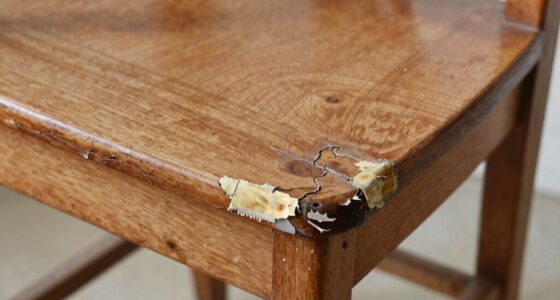
Other visible concerns include spiral-pattern cracks, called craquelure, and tears, holes or damage to a frame. Ashburn says changes in temperature or humidity, canvas tension, restretching or physical impact can contribute to cracking. He also cautions that irregular holes in textile art may point to a wider insect problem. The report recommends finding a specialist with experience in the specific medium and asking about their methods, archival materials and comparable past projects.
Spotting Damage Before It Spreads
Recognizing changes early can help an owner seek an expert assessment before a tear grows or moisture-related deterioration continues. That matters for family heirlooms and collected works alike: the owner may not know what materials were used, how a piece was previously treated, or whether damage is confined to the visible surface.
The report does not suggest that every mark or sign of age requires intervention. Rather, its practical point is to distinguish ordinary appearance from possible damage and to consult a qualified professional before attempting repairs. Cleaning, conservation and restoration have different aims, and an unsuitable treatment could affect the original surface or materials.
Products Worth Considering

Levoit Core 400S-P Smart Air Purifier for Large Rooms up to 1718 ft²

Philips Hue Play Floor Lamp, RGBWWIC LED, 53 Inch, Black

TCL 32-Inch R3D Series QLED Full HD Roku Smart TV (32R3D, 2026)
As an affiliate, we earn on qualifying purchases.
Cleaning, Conservation and Repair
The report distinguishes restoration, which can involve repairing or reconstructing a work toward its earlier form, from conservation, whose broader aim is to preserve the work and slow deterioration. Cleaning may be part of either, particularly when dust, grime or contaminants are present. Ashburn says mold, corrosion, soot and other contaminants should be mitigated and removed, but the appropriate approach depends on the piece.
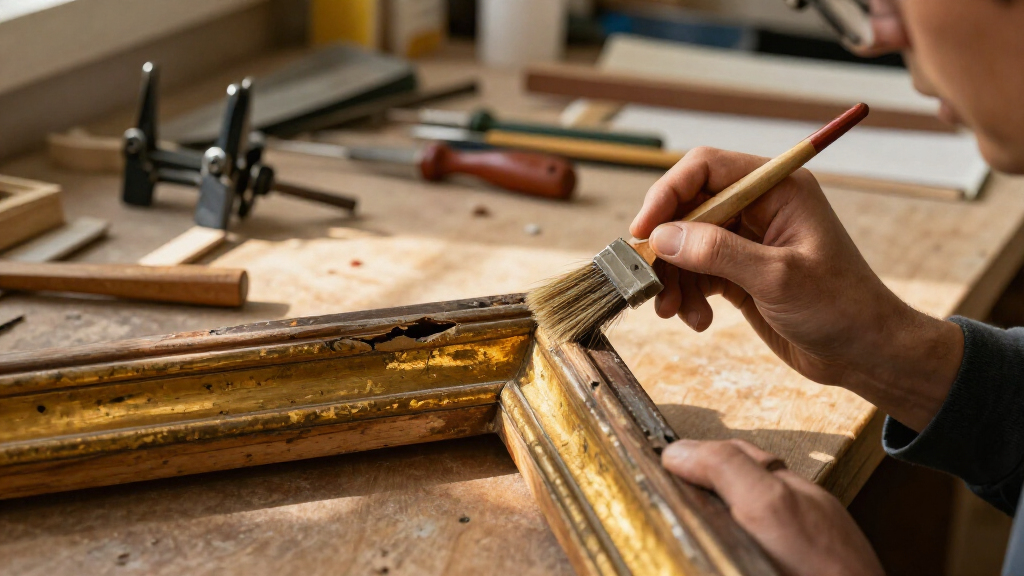
An evaluation may begin with identifying the materials used to make and house the artwork, and checking whether later finishes or touch-ups altered it. Ashburn says some assessments use infrared or X-ray imaging to learn more about construction and the depth of a problem. Work may then involve cleaning, repairing damage, reinforcing a canvas or wooden frame, and retouching. The report says a restoration can take from a few days to several months, depending on complexity.
“Most works are due for a good cleaning every 10 to 15 years.”
— Lee Ashburn, art restoration specialist at PRISM Specialty Restoration
Each Artwork Needs Its Own Assessment
The report gives warning signs and general guidance, but it does not diagnose any specific artwork or establish that a particular symptom always requires restoration. Visible cracks, spots or discoloration can have different causes, and the source and severity of damage may not be apparent without inspection.
Ashburn’s suggested cleaning interval is general advice, and the report does not specify a single treatment, cost or timeline for a given piece. It also does not provide detailed instructions for cleaning art at home. Owners should not assume that household cleaning methods are suitable; the right response depends on the materials and condition.
Questions to Ask Before Hiring
For owners who notice possible damage, the report recommends contacting a local conservation or restoration specialist who works with the relevant type of artwork. Before committing, ask about experience with similar pieces, the materials and techniques the specialist proposes, and whether they can share examples of previous work. Owners can also provide what they know about a piece’s history and where it has been displayed.
The next step is a professional evaluation, which may establish what materials are present, whether earlier repairs or finishes affect the work, and what treatment—if any—is appropriate. Timing and scope depend on the piece; the report gives a range from days to months, not a guaranteed schedule. No specific case or upcoming restoration is identified in the supplied report.
Key Questions
What are common signs that artwork may need restoration?
Discoloration, mold, foxing, cracking, tears and frame damage are among the warning signs Ashburn lists. They can merit professional evaluation, but the cause and suitable treatment vary by artwork.
How often should art be cleaned?
Ashburn says many works are due for cleaning every 10 to 15 years. This is general advice from the report, not a mandatory schedule for every piece.
How do restoration and conservation differ?
Restoration can repair or reconstruct a work toward its earlier form. Conservation focuses more broadly on preserving its appearance and slowing deterioration. Cleaning can be part of either process.
How can I choose an art restorer?
Look for a specialist with experience in the artwork’s medium. Ask about similar projects, methods, archival materials and past work, and expect the specialist to ask about the object’s history and condition.
How long can restoration take?
The report says restoration may take a few days to several months, depending on the work’s complexity and the problems found during evaluation.
Source: veranda.com