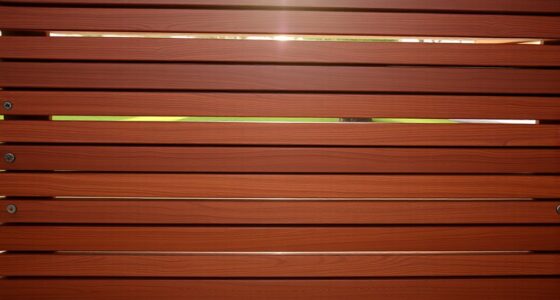
Building a cedar bat house is a great way to support local wildlife and promote healthy ecosystems. Cedar’s natural resistance to rot and pests guarantees your bat shelter lasts for many years. Carefully measure, cut, and assemble the wood, paying attention to ventilation and placement. Mount the house 12 to 15 feet high in a sunny, sheltered spot away from predators. Keep exploring to learn more tips that will help you create a safe home for bats and aid conservation efforts.
Key Takeaways
- Use cedar for its rot resistance and durability to create a long-lasting, weather-resistant bat house.
- Mount the house 12-15 feet high on a sturdy pole or wall in sunny, predator-free areas.
- Incorporate proper ventilation and smooth edges to ensure a safe, healthy environment for bats.
- Measure and cut cedar precisely, then sand edges to prevent bat injuries during entry and roosting.
- Installing a bat house supports conservation, controls insect populations, and promotes local biodiversity.

Have you ever considered helping local ecosystems by providing a safe shelter for bats? Building a cedar bat house is a simple yet impactful way to support bat conservation efforts in your community. Bats play a crucial role in controlling insect populations, and giving them a secure place to roost can make a real difference. Plus, constructing your own bat house allows you to connect with nature and learn valuable woodworking techniques. With a little effort and the right materials, you can create a durable, inviting habitat that encourages bats to settle in nearby wooded areas or gardens.
Support local ecosystems by building a cedar bat house to aid conservation and connect with nature.
When you start building your cedar bat house, focus on the design and construction quality. Cedar is an excellent choice because it’s naturally resistant to rot and pests, making your bat house last for years. To guarantee your project is successful, you’ll want to apply effective woodworking techniques. Start by carefully measuring and cutting your cedar panels, making sure all pieces fit tightly together. Use a sharp saw and proper clamps to achieve clean cuts, and sand rough edges to prevent injuries to the bats. As you assemble the house, pay attention to ventilation and insulation, which are key to keeping the interior temperature stable and comfortable for bats during different seasons. Incorporating proper ventilation will help maintain a healthy environment inside the bat house.
Installing your bat house correctly is just as important as building it well. Place the house at least 12 to 15 feet above the ground, preferably on a pole or sturdy wall that receives plenty of sunlight during the day. Avoid areas with strong wind or where predators might easily access the bats. When mounting, ensure the house is stable and has a clear flight path for bats to enter and exit freely. This setup helps maximize occupancy and reduces stress for the wildlife you’re trying to support.
Throughout the project, you’ll hone your woodworking techniques, from precise measuring to secure assembly, which are essential skills for many DIY projects. Building a cedar bat house isn’t just about helping bats; it’s an opportunity to develop craftsmanship, learn about wildlife needs, and contribute to local conservation efforts. By providing a safe habitat, you’re helping maintain a healthy balance in your local ecosystem, supporting the insects bats feed on, and fostering a greater appreciation for wildlife. In the end, your effort results in a sturdy, welcoming shelter that benefits both nature and your sense of accomplishment.

Kreg PRS5000 Precision Router Lift - Router Table Lift System - Durable Router Plate Insert - Router Table Plate Insert - For Quick, Accurate, Reliable & Repeatable Setups
Precise Router Lift Adjustment: Allows precise above-the-table setup changes for table-mounted routers down to 1/64"
As an affiliate, we earn on qualifying purchases.
Frequently Asked Questions
What Is the Ideal Height to Mount a Cedar Bat House?
You should mount your cedar bat house at a height of 12 to 20 feet for ideal bat house placement. This height helps prevent predators from reaching the bats, ensuring their safety. Make sure it’s in a quiet, warm location with some shade, and away from bright lights. Proper placement encourages bats to use the house, supporting local wildlife and helping control insect populations naturally.
How Do I Prevent Predators From Accessing the Bat House?
Imagine predators sneaking closer to your bat house—how can you stop them? You should install predator deterrents like metal guards or brow poles to secure the entrance, preventing access from raccoons or snakes. Mount the house at the right height and angle, and add a predator guard around the base. These steps help guarantee your bats stay safe and undisturbed, giving them a secure refuge.
When Is the Best Time to Install a Cedar Bat House?
You should install your cedar bat house in early spring or late summer. Timing matters because it aligns with bat migration and seasonal weather patterns, ensuring bats find the house when they’re most likely to need it. Installing during these times helps encourage occupancy before the weather gets too cold or hot. Make sure the location offers shade and is quiet to give bats a safe, welcoming environment.
How Do I Monitor Bat Occupancy in the House?
You might worry that monitoring bat occupancy is complicated, but it’s quite manageable. To track bat activity, install a bat house camera or use a bat detector to listen for their calls. Check the house regularly at dusk or dawn when bats are most active. Consistent occupancy monitoring helps you understand their activity patterns and guarantees your bat house remains a safe habitat for local wildlife.
Can Cedar Bat Houses Be Painted or Stained?
You can paint or stain cedar bat houses, but you should consider your options carefully. Use non-toxic, water-based paint options or stains that won’t harm bats. Avoid dark or glossy finishes, as they can absorb too much heat and make the house uncomfortable. Stain considerations include choosing light colors that reflect heat and allow proper ventilation. Always verify the paint or stain is safe for wildlife and applied sparingly to protect the bats’ habitat.
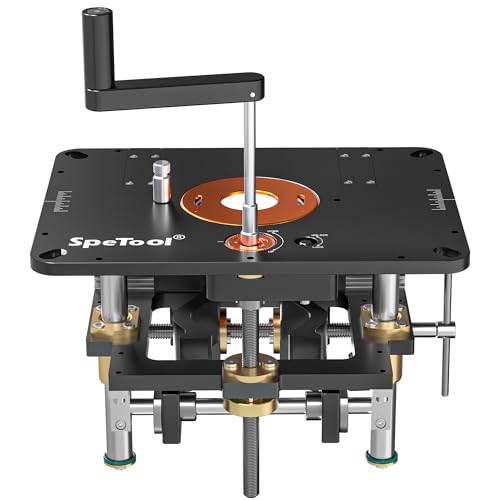
SpeTool Router Lift for 2.56”-4.21” Dia Routers, Precision All-aluminum Router Table Lift System with 3 Magnetic Insert Rings, 9-1/4"x11-3/4" Router Table Insert Plate for Woodworking Add DIY Template
UNIQUE COMPATIBILITY. The SpeTool router lift features an infinitely adjustable clamping design, compatible with routers ranging from 65mm...
As an affiliate, we earn on qualifying purchases.
Conclusion
By building a cedar bat house, you’re giving local wildlife a sanctuary as essential as a rainforest to a rainforest. Your small act can make an enormous difference, helping bats thrive and controlling pests naturally. Remember, your effort might seem simple, but it’s the key to saving countless bats from extinction and restoring balance to your ecosystem. So go ahead—create this tiny haven and watch your backyard become a bustling, life-giving sanctuary for these incredible creatures.

O'SKOOL Router Lift Systems for 3-1/2" Diameter Motors, 9-1/4'' x 11-3/4'' Plate 5-Piece Insert Ring Kit, RTS05
This router lift features a 3.5" diameter carriage and is compatible with popular 3-1/2” router models such as...
As an affiliate, we earn on qualifying purchases.
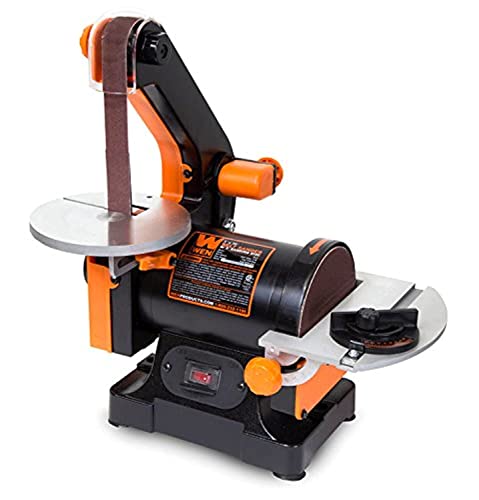
WEN Benchtop Belt and Disc Sander with 1 x 30 in. Belt and 5 in. Sanding Disc (6515T)
Two-in-one sanding machine includes both a 1-by-30 inch belt and a 5-inch disc
As an affiliate, we earn on qualifying purchases.