A fully cured food-safe finish means it’s dried completely and chemically reacted to become stable and safe for contact with food. When the finish cures, it doesn’t just dry on the surface but reaches a chemical state that ensures no toxins will leach into your food. Proper curing takes time, and rushing can leave residual chemicals unsafe for food contact. Keep exploring to discover how to guarantee your finish is properly cured and safe for use.

Get business pricing on tools and workshop supplies
- Business-only prices and quantity discounts
- Tax-exempt purchasing
- Multiple users, one account, clear invoices
Key Takeaways
- ‘Cured’ means the finish has fully dried and chemically reacted, making it safe and stable for food contact.
- Proper curing ensures no residual chemicals remain, preventing potential health risks.
- Curing times vary from hours to days, depending on the finish type and environmental conditions.
- Rushing curing can leave chemicals unreacted, compromising the finish’s safety and durability.
- Fully cured finishes provide a durable, food-safe barrier that protects surfaces from moisture and bacteria.
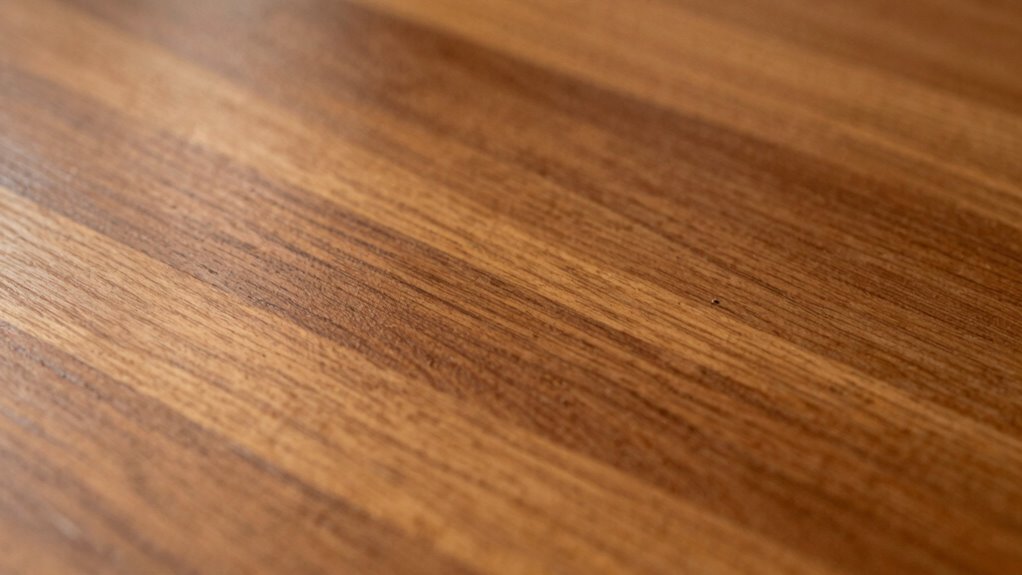
Are you worried about safely finishing your food-contact wooden surfaces? If so, understanding the importance of proper wood treatment and finishing techniques becomes essential. When working with wood that will come into contact with food, it’s not enough to simply apply a finish; you need to ensure that the treatment is food-safe and fully cured before use. The term “cured” might sound straightforward, but in the world of wood finishing, it has specific implications for safety and durability.
Wood treatment involves applying a finish that protects the surface from moisture, bacteria, and other contaminants while also enhancing its appearance. Choosing the right finishing technique is crucial because not all finishes are suitable for food contact. Standard paints or finishes containing toxic chemicals can pose health risks if ingested or if they leach into food. That’s why food-safe finishes are formulated with non-toxic, natural ingredients like mineral oil, beeswax, or food-grade oils. These options provide a safe barrier that doesn’t compromise the health of anyone using the surface.
Food-safe finishes use natural, non-toxic ingredients to protect surfaces without health risks.
When you’re working with wood intended for food contact, it’s vital to follow proper finishing techniques to ensure safety. For starters, thoroughly clean and sand the wood to create a smooth surface. This step helps the finish adhere better and reduces the risk of bacteria harboring in rough areas. Applying the finish in thin, even coats allows it to penetrate the wood fibers more deeply, providing a stronger and more uniform protective layer. Allow each coat to dry completely and follow the manufacturer’s instructions regarding curing times.
Now, “cured” in this context means that the finish has fully dried and chemically reacted to form a stable, non-toxic surface. It’s not just about the surface feeling dry to the touch; it’s about the finish reaching its full chemical stability. This process can take anywhere from a few hours to several days, depending on the type of finish used and environmental conditions like temperature and humidity. Rushing the curing process can leave residual chemicals on the surface that might not be food-safe, so patience is key.
Once fully cured, your food-contact wooden surface is safe to use, provided you’ve chosen the right wood treatment and finishing techniques. Regular maintenance, like cleaning with mild soap and water, will preserve the finish’s integrity over time. Remember, thorough curing is what transforms a simple wood treatment into a truly food-safe finish, giving you peace of mind that your wooden surfaces are both beautiful and safe for everyday use.
As an affiliate, we earn on qualifying purchases.
Frequently Asked Questions
Can Cured Finishes Be Used on All Types of Wood?
Cured finishes aren’t suitable for all wood types. You need to take into account the wood treatment and finish durability you’re aiming for. Some woods absorb cured finishes better, offering a smoother, more durable surface, while others may react negatively or not bond well. Always test on a small area first to ensure compatibility, especially if you want a finish that lasts and maintains food safety for your project.
How Long Does a Cured Finish Typically Last?
A cured finish typically lasts several years, but shelf life and durability factors vary based on usage and environment. Think of it like a well-worn pair of shoes—some wear out faster, others last longer. Proper application, exposure to moisture, and wear impact longevity. You can expect a cured finish to stay protected and looking good for around 3-10 years, depending on these factors. Regular maintenance helps extend its lifespan too.
Are There Health Risks Associated With Curing Food-Safe Finishes?
Yes, there are health risks associated with curing food-safe finishes. You should be aware of toxicity concerns, especially if the finish isn’t properly cured or contains harmful chemicals. Additionally, allergen risks may arise if the finish includes ingredients that can trigger sensitivities. Always follow manufacturer instructions carefully and choose finishes labeled as food-safe to minimize these risks, ensuring your food contact surfaces remain safe.
What Are the Best Conditions for Curing a Finish Properly?
Did you know that proper curing improves finish durability by up to 30%? To cure your food-safe finish correctly, make certain you apply it in a well-ventilated, temperature-controlled environment between 65-75°F. Maintain low humidity and allow sufficient time—usually several days—so the finish can fully cure. Avoid direct sunlight or rapid temperature changes, as these can compromise the curing process and the safety of your finished product.
How Can I Tell if a Finish Has Fully Cured?
You can tell if a finish has fully cured by checking the drying process and curing time. Usually, it feels hard and no longer tacky to touch once cured. You should wait the recommended curing time on the product label, as rushing it can compromise safety. Also, perform a gentle scratch test; if it resists scratching, it’s likely fully cured and food-safe.
Conclusion
So, when you choose a “cured” finish, you’re gently inviting your creations into a cozy, safe embrace. It’s like giving your pieces a quiet promise of protection and care, ensuring they’re ready for everyday life’s little adventures. With the right food-safe finish, you’re not just finishing your work—you’re softly sealing in the trust and safety, making each piece a subtle reminder of your thoughtful touch. After all, it’s the quiet details that truly make a difference.
Fall Picks
fall essentials
As an affiliate, we earn on qualifying purchases.