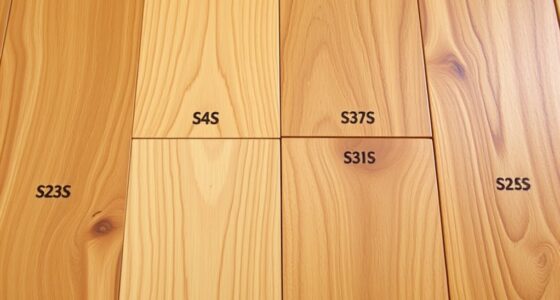

Understanding the chemistry of finishes like oil, varnish, and waterborne coatings helps you select the right product for your project. Oils penetrate and deepen wood grain, offering flexible protection. Varnishes contain resins that cross-link upon curing, forming a durable film. Waterborne finishes use water as a solvent with resin particles that dry quickly. Knowing how these finishes cure and bond can guarantee you achieve the best results, and exploring further reveals how each type affects your surface’s look and longevity.
Key Takeaways
- Oil finishes penetrate wood and deepen grain through drying and oxidation, forming a resilient film over time.
- Varnishes are resin-based finishes that cure via chemical cross-linking, creating a durable, protective surface.
- Waterborne finishes use water as a solvent, drying quickly and reducing VOC emissions, with resin formulations influencing gloss and durability.
- The chemistry of each finish type determines curing mechanisms, application properties, and resistance to wear and environmental factors.
- Understanding resin components and curing processes helps in selecting the right finish for specific project requirements.
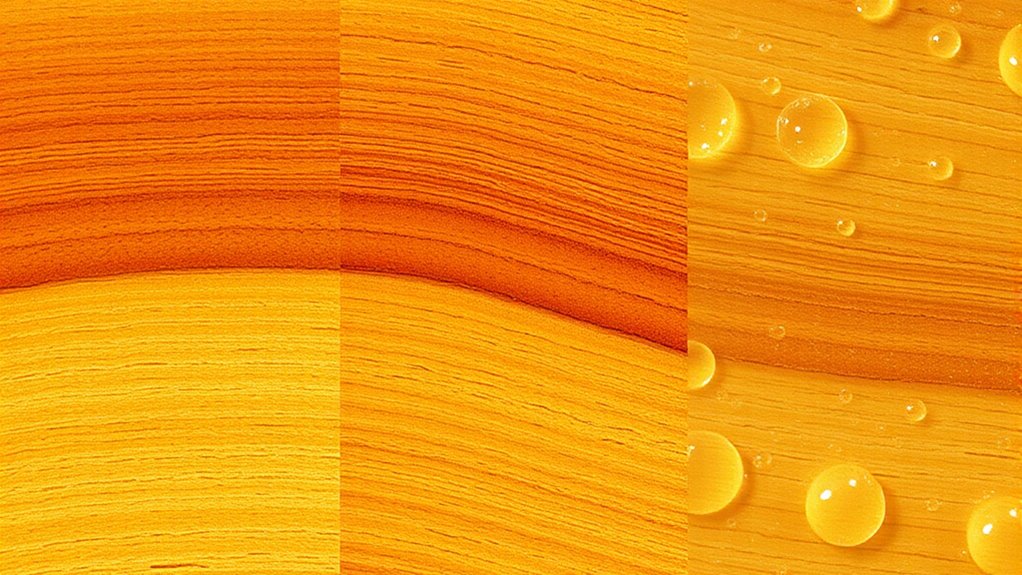
Have you ever wondered what makes up everything around you? From the furniture in your home to the protective coatings on tools, finishes are all around us. At the core of many finishes are resin formulations, which are complex mixtures designed to create durable, attractive surfaces. These formulations include various resins—like epoxy, polyurethane, or polyester—that determine the finish’s properties. Understanding resin formulations helps you grasp how different finishes behave and how they’re applied. When you apply a finish, what happens next is the curing process, a crucial step that transforms liquid components into a solid, protective film. Curing involves chemical reactions that cross-link resin molecules, creating a hardened, resilient surface. The speed and quality of curing depend on factors like temperature, humidity, and the specific formulation used. For instance, some resins cure quickly at room temperature, while others might need heat or special catalysts. Knowing how curing works allows you to choose the right finish for your project and understand how long it takes to achieve ideal results. Additionally, the types of finishes—such as oil, varnish, and waterborne—each have distinct chemistry and curing mechanisms that influence their performance and application.
Understanding these chemistry basics helps you select the right finish for your project, whether you want a quick-drying waterborne coating or a deep, oil-based finish that enhances grain. The key lies in the resin formulations and curing processes, which control how finishes behave and how long they last. By knowing how resin formulations work and how curing processes are initiated and completed, you gain insight into achieving a professional-looking, long-lasting result. So next time you apply a finish, remember that beneath its surface lies a fascinating interplay of chemistry that makes it all possible.

Minwax Fast Drying Polyurethane Protective Wood Finish, Warm Satin, 1 Quart
PROTECT WOOD SURFACES – Minwax Polyurethane Wood Finish protects interior projects like woodwork, furniture, floors and cabinets. The…
As an affiliate, we earn on qualifying purchases.
As an affiliate, we earn on qualifying purchases.
Frequently Asked Questions
How Do I Choose the Right Finish for Outdoor Furniture?
To choose the right finish for outdoor furniture, consider finish durability and appearance. If you want a natural look with good protection, oil finishes are ideal as they penetrate and enhance wood grain. For a glossy, long-lasting surface, varnishes offer durability and a smooth appearance. Waterborne finishes are eco-friendly, dry quickly, and resist peeling. Match your preferred look and how much protection you need to pick the best finish for outdoor use.
What Are the Safety Precautions When Applying These Finishes?
Sure, because nothing says “fun” like inhaling fumes, right? When applying finishes, always wear protective gear like masks and gloves—your future self will thank you. Guarantee proper ventilation safety by working outdoors or in well-ventilated areas to avoid harmful vapors. Keep fire hazards in mind, and never smoke nearby. Following these precautions makes your project safer and more enjoyable, so you can admire your work without a headache later.
Can I Mix Different Types of Finishes on One Project?
You shouldn’t mix different types of finishes on one project because finish compatibility varies, and incompatible mixes can cause issues like peeling or uneven texture. If you want to combine finishes, test small sections first. Be sure to adjust your application techniques accordingly, as each finish type may require different brushes, drying times, or thinning methods. Always follow manufacturer instructions for the best results and durability.
How Long Does Each Finish Typically Last Before Reapplication?
Like a protective shield, your finish’s durability varies—oil might last a year, varnish around 2-3 years, and waterborne finishes often need reapplication every 2 years. You’ll notice wear and tear as a fading glow or scratches, signaling it’s time to reapply. Keep an eye on these signs, and you’ll maintain that beautiful luster, ensuring your project stays shielded and vibrant longer.
Are There Eco-Friendly Options Within Oil, Varnish, and Waterborne Finishes?
Yes, there are eco-friendly alternatives within oil, varnish, and waterborne finishes. You can choose products made from sustainable materials that minimize environmental impact, such as plant-based oils and natural resins. Look for finishes labeled as low-VOC or zero-VOC, which reduce harmful emissions. These options offer effective protection while being safer for the environment and your health, making them ideal for eco-conscious projects.
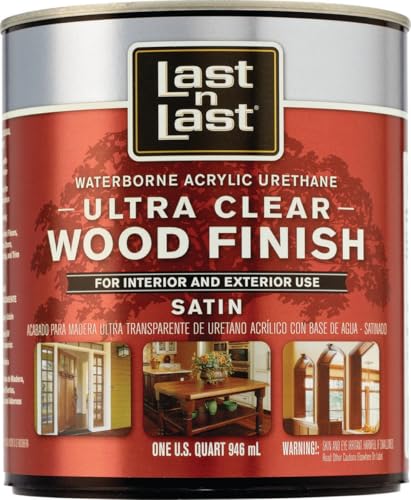
Last N Last 13104 Waterborne Polyurethane Wood Finish, 1 qt Can, Ultra Clear
Soap and water cleanup
As an affiliate, we earn on qualifying purchases.
As an affiliate, we earn on qualifying purchases.
Conclusion
Understanding the chemistry behind oil, varnish, and waterborne finishes helps you make better choices. Did you know that waterborne finishes can dry up to 50% faster than oil-based ones? This quick-drying feature not only saves time but also reduces environmental impact. By grasping these basics, you’re better equipped to select the right finish for your project, ensuring durability and beauty. Mastering finish chemistry truly elevates your woodworking and finishing skills.

Varathane Triple Thick Polyurethane Clear Wood Finish | Self-Leveling Formula | Scratch And Stain Resistance | Durability In One Coat | Gloss | Quart
Ideal for use on all interior wood surfaces including furniture, doors, trim and more
As an affiliate, we earn on qualifying purchases.
As an affiliate, we earn on qualifying purchases.

Minwax 233334444 Polycrylic Protective Wood Finish, Clear Satin, ½ Pint
PROTECT WOOD SURFACES – Minwax Polycrylic Protective Finish protects and adds beauty to your interior wood projects, including…
As an affiliate, we earn on qualifying purchases.
As an affiliate, we earn on qualifying purchases.