To prevent cracks later, choose wood with low moisture content and stable species like maple or cherry, which expand and contract less with humidity changes. Guarantee the wood is properly dried and conditioned before use, and consider applying seals or finishes to slow moisture exchange. Maintaining consistent humidity levels in your environment also helps. If you keep these tips in mind, you’ll be better equipped to select materials that resist cracking over time. Keep exploring to learn more about controlling wood movement.

Get tools and workshop supplies delivered free — and shop member deals
- Fast, free delivery on millions of items
- Access to Prime Big Deal Days deals on October 6–7
- Prime Video, Amazon Music and more included
Key Takeaways
- Select hardwoods like maple or cherry, which have lower expansion rates and are more stable in changing humidity.
- Use moisture-resistant woods and proper sealing to reduce moisture exchange and minimize movement.
- Maintain consistent indoor humidity levels to prevent wood from swelling or contracting excessively.
- Properly condition and acclimate wood before installation to match the environmental moisture content.
- Incorporate control measures like finishes and environmental management to limit crack formation over time.
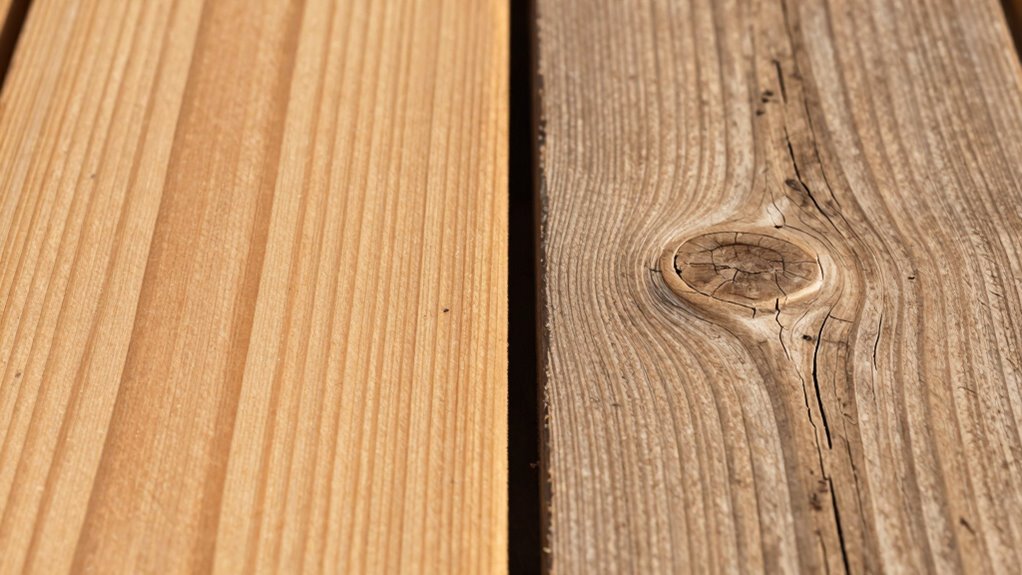
Understanding how wood responds to changes in humidity is essential for anyone working with or maintaining wooden structures. When you understand this, you can better anticipate how wood will behave over time, especially in environments where humidity levels fluctuate. Wood expansion occurs when the moisture content inside the wood increases, causing it to swell. Conversely, as moisture content drops, wood contracts. These natural movements can lead to cracks, warping, or other structural issues if not properly managed. Knowing how moisture content influences wood expansion helps you select better materials and plan for inevitable shifts in size.
Understanding moisture’s role helps prevent wood cracking and warping over time.
In environments with high humidity, wood absorbs moisture from the air, increasing its moisture content. This causes the fibers to expand, pushing outward and potentially creating stress within the material. If the wood isn’t allowed to breathe or isn’t properly sealed, these changes can lead to surface cracking or splitting over time. On the other hand, in dry conditions, wood releases moisture, leading to contraction. This shrinking can loosen joints, cause gaps, or distort the shape of furniture or structures. The key is understanding that moisture content is what drives these movements, so controlling or accommodating moisture fluctuations becomes crucial.
When choosing wood for projects, you should consider the typical humidity levels of the environment. Some woods are more stable than others, meaning they resist movement caused by moisture changes better. For example, hardwoods like maple or cherry tend to have lower expansion rates compared to softer woods like pine. Selecting materials with a lower coefficient of expansion helps ensure your project remains intact over time, even as humidity levels shift. Additionally, understanding the initial moisture content of the wood before installation is critical. Wood that’s too wet or too dry at the start will respond more dramatically to environmental changes.
Proper sealing and finishing also play a role in managing wood movement. Applying sealants or finishes that limit moisture exchange can slow down the rate of expansion and contraction, reducing the risk of cracking. However, it’s important to remember that no finish can entirely eliminate movement; it can only help control it. Regular maintenance, such as checking for signs of moisture damage and keeping humidity levels steady, will further protect your wooden structures. When you choose materials wisely and take steps to control moisture content, you profoundly reduce the chances of cracks forming later, ensuring your work remains durable and visually appealing for years to come. Additionally, selecting moisture-resistant wood species can further mitigate risks associated with humidity fluctuations.
As an affiliate, we earn on qualifying purchases.
Frequently Asked Questions
How Can I Measure Humidity Levels Accurately at Home?
You can measure humidity levels accurately at home by using a reliable humidity sensor or hygrometer. These devices detect wood moisture and help you monitor the air’s humidity consistently. Place the sensor in the room where your wood is stored or used, and check it regularly. Digital humidity sensors provide precise readings, ensuring you maintain ideal moisture levels to prevent wood cracking and other issues caused by fluctuating humidity.
Are Certain Wood Finishes More Resistant to Movement?
Did you know that oil-based finishes tend to be more resistant to wood movement? They offer better finish durability and help prevent cracks caused by wood expansion. When selecting finishes, opt for those formulated for flexibility and moisture resistance, like polyurethane or epoxy. These finishes adapt better to seasonal changes, maintaining their integrity and protecting your wood from cracks over time. Your choice of finish directly impacts your wood’s longevity and appearance.
What Tools Are Best for Monitoring Wood Expansion?
You should use a moisture meter to monitor wood moisture levels regularly, helping you gauge potential expansion. A digital or pin-type moisture meter provides accurate readings of wood moisture content. Additionally, keep an eye on expansion gaps during installation; these gaps allow for natural wood movement caused by changes in humidity. Regularly checking moisture levels and maintaining proper expansion gaps helps prevent cracking and warping over time.
How Often Should I Check Indoor Humidity in My Home?
It’s a coincidence that you’re asking about indoor humidity because maintaining consistent levels is key to preventing wood cracking. You should check your home’s humidity at least once a week using a hygrometer. Keep it between 40-60%, especially if you’ve treated your wood or added moisture barriers. Regular monitoring helps you adjust humidity levels, reducing wood movement and ensuring your furniture stays intact and beautiful over time.
Can Climate Control Prevent Wood Cracking Over Time?
Yes, climate control can prevent wood cracking over time. Keeping indoor humidity stable helps, so you should use moisture barriers and proper wood sealing to minimize fluctuations. Consistent temperature and humidity levels reduce wood movement, preventing cracks. Regularly maintaining your climate control system ensures these measures stay effective, protecting your wood surfaces from the stress caused by humidity changes. This proactive approach keeps your wood looking great and lasting longer.
Conclusion
By choosing materials that resist cracking caused by humidity changes, you guarantee your project stays beautiful over time. For instance, imagine building a dining table that warps and splits after a few years—disheartening, right? But if you select properly seasoned, stable wood, your table remains intact and stunning. Remember, understanding how wood reacts to humidity helps you make smarter choices, saving you time, money, and frustration in the long run.
Fall yard work Picks
leaf blowers
As an affiliate, we earn on qualifying purchases.