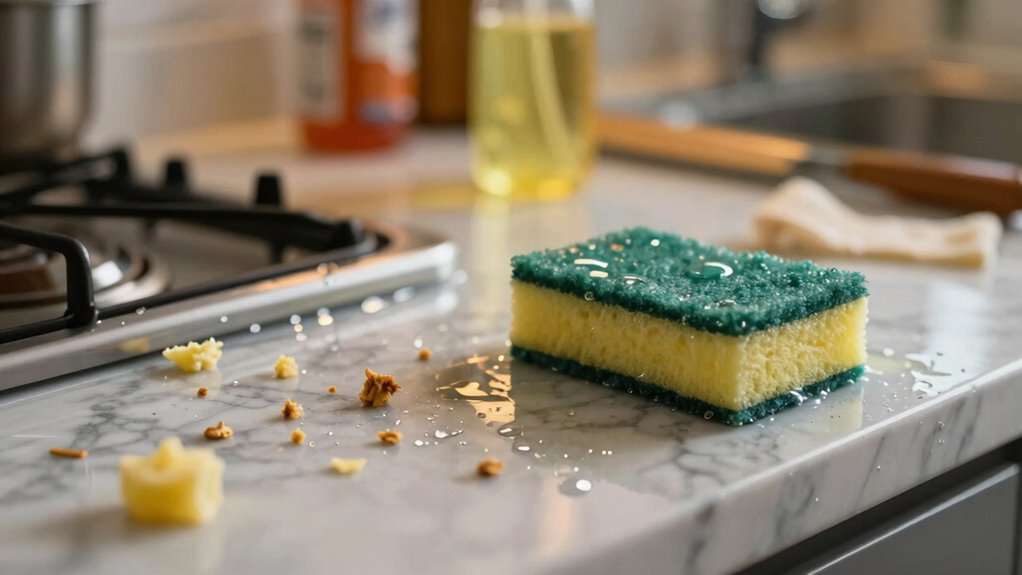

Many homeowners underestimate how water splashes around sinks can silently cause lasting damage to countertops. Over time, these water stains and discolorations can penetrate porous surfaces like granite or marble, leading to staining, etching, or even structural damage. The problem worsens if left untreated, resulting in costly repairs. Protect your kitchen by understanding how to prevent and address splash zone issues. If you want to discover simple ways to keep your countertop pristine, keep going.

Get business pricing on tools and workshop supplies
- Business-only prices and quantity discounts
- Tax-exempt purchasing
- Multiple users, one account, clear invoices
Key Takeaways
- Water stains and discoloration often go unnoticed initially, but they can cause long-term damage to porous countertops.
- Neglecting splash zone maintenance leads to mineral buildup, mold growth, and surface etching.
- Regular cleaning and sealing are essential to prevent water penetration and preserve countertop integrity.
- Small water spots can escalate into costly repairs if ignored over time.
- Proper splash guards and prompt spill cleanup significantly extend countertop lifespan and maintain kitchen aesthetics.
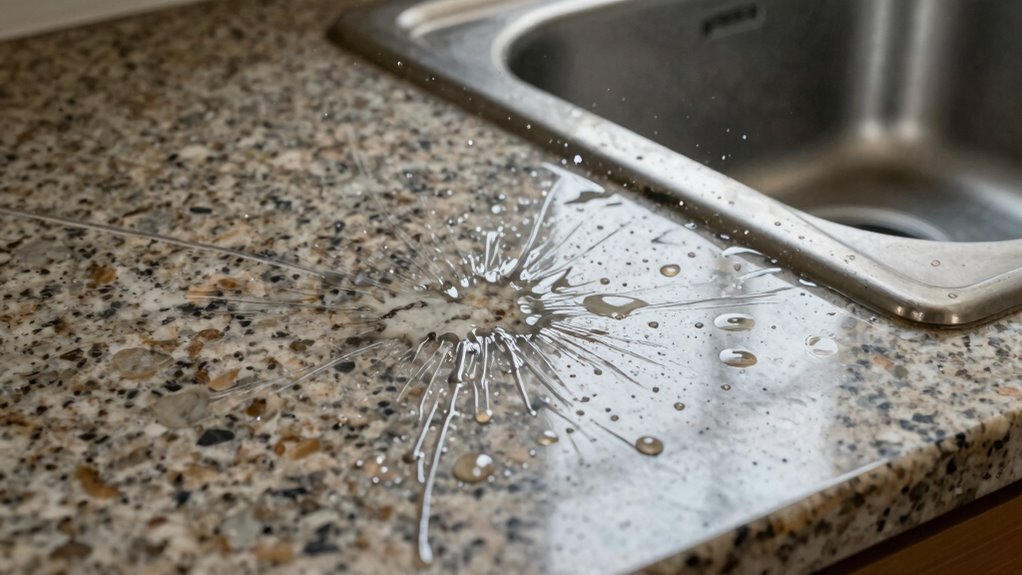
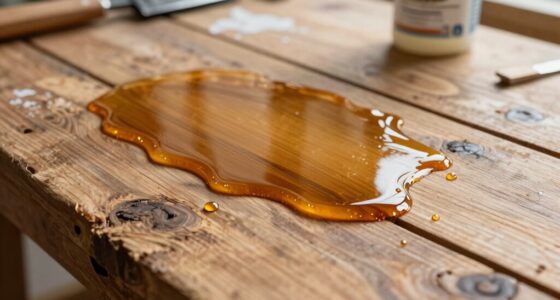
Have you ever noticed water stains or discoloration on your countertop near the sink? It’s a common sight in many kitchens, yet few realize how much this splash zone can impact your kitchen decor and the overall cleanliness of your space. These water spots aren’t just unsightly; they can also signal underlying issues like mineral buildup, mold, or damage to your countertop material. Ignoring them allows these problems to worsen over time, making what seems like a minor annoyance a bigger, more costly concern.
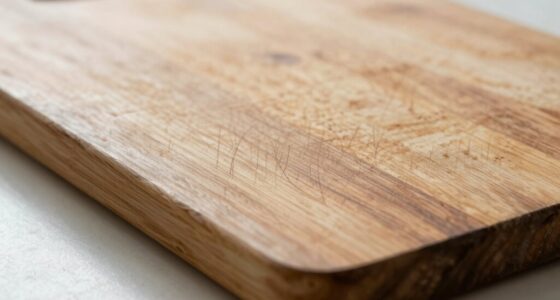
The splash zone around your sink sees constant exposure to water, soap, and food spills. Over time, these can etch or stain your countertop surface, especially if it’s made of porous materials like granite or marble. Many underestimate the importance of addressing these stains early, assuming they’re just superficial. But in reality, they can penetrate deeper, causing persistent discoloration and damaging your countertop’s integrity. This not only affects the look of your kitchen but also compromises the durability of your surfaces, leading to potential cracks or warping. Paying attention to countertop material can help you choose the right cleaning and sealing methods to prevent damage.
Effective cleaning techniques are essential to combat these issues. Regularly wiping down your countertops with a damp cloth and a gentle, pH-balanced cleaner can significantly reduce water stains and prevent mineral deposits from forming. For stubborn spots, a mixture of baking soda and water can gently lift stains without damaging the surface. Using a microfiber cloth ensures you don’t scratch delicate surfaces, and applying a sealant periodically can help prevent water from penetrating porous materials. Additionally, understanding the splash zone problem can help you implement better preventative measures around your sink area. You’ll want to pay close attention to the edges and corners around the sink, where water tends to pool and cause the most damage. Incorporating splash guards or backsplashes can provide an extra layer of protection and reduce the need for frequent cleanup. Recognizing the importance of proper maintenance can further extend the lifespan of your countertops and keep them looking their best. Incorporating protective measures like these can also extend the lifespan of your countertop surfaces and reduce maintenance time. Regular maintenance and awareness of laboratory safety practices can also inform your approach to cleaning and protecting your kitchen surfaces.
When it comes to kitchen decor, keeping the splash zone pristine is crucial. A clean, well-maintained countertop enhances the overall aesthetic of your kitchen and reflects good hygiene. Investing in a splash guard or backsplash can minimize splashes, making cleanup easier and preserving your decor’s sleek appearance. Remember, small efforts like wiping spills immediately and performing routine cleaning techniques can prolong the life of your countertop and keep your kitchen looking fresh. Underestimating this problem allows stains to set and damage to escalate, but with consistent care, you can maintain a beautiful, functional space that complements your kitchen decor for years to come.
Frequently Asked Questions
How Does Water Damage Affect Underlying Countertop Materials?
Water damage can profoundly weaken your countertop’s underlying materials, causing warping, staining, and deterioration over time. Proper sealing techniques help prevent water from seeping in and damaging the surface, but if the material isn’t durable or the sealant fails, damage worsens. You need to regularly check and maintain your seals, especially around sinks and edges, to protect your countertop’s longevity and preserve its appearance.
What Are the Best Protective Barriers for Splash Zones?
You need to act quickly to prevent water damage in your splash zone. The best protective barriers are a durable protective film and a sturdy splash guard. A transparent protective film sticks tightly, shielding your countertop from splashes, while a splash guard creates a physical barrier that keeps water away. Together, they keep your surfaces safe, but you must install them properly — or risk the silent threat of water infiltration.
How Often Should I Reseal My Countertop to Prevent Damage?
You should reseal your countertop every one to three years, depending on the material and how much you use it. Regular maintenance tips include checking for signs of wear, such as dullness or stains, and resealing promptly when needed. Proper sealing frequency helps prevent damage from spills and splashes, keeping your surface protected. Staying vigilant and resealing on schedule guarantees your countertop remains durable and attractive over time.
Are Certain Countertop Materials More Resistant to Splashes?
Sure, some countertops are more splash-resistant than others—think of them as the superheroes of your kitchen. Quartz and granite, for example, boast impressive material durability and keep their countertop aesthetics intact, even with rogue splashes. On the other hand, materials like marble can be more delicate, demanding extra care. So, if you’re tired of constant resealing, choose a resilient surface that fights back against splash chaos.
What Cleaning Products Are Safest for Splash-Prone Areas?
You should opt for gentle, pH-neutral cleaning products for splash-prone areas to guarantee cleaning safety and chemical compatibility. Avoid harsh chemicals like bleach or ammonia, as they can damage your countertop material over time. Instead, use mild dish soap mixed with water or specialized cleaner designed for your surface. This approach keeps your countertop protected, preserves its appearance, and minimizes the risk of chemical reactions or damage.
Conclusion
In the end, overlooking the countertop splash zone is like ignoring a small crack that can eventually cause a flood. You might not see the immediate damage, but with time, moisture and stains can seep in, weakening your surfaces. Being proactive and maintaining this area is like tending to a garden; it prevents bigger problems down the line. Don’t underestimate the splash zone—your countertops will thank you for your attention.
Fall yard work Picks
leaf blowers
As an affiliate, we earn on qualifying purchases.