
TL;DR
Mortgage and refinance interest rates on June 30, 2026, show mixed movements, with the 30-year fixed rate at its lowest since May. This development influences borrowing costs for homebuyers and homeowners considering refinancing.
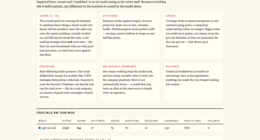
Mortgage and refinance interest rates today, Tuesday, June 30, 2026, are mixed, with the 30-year fixed rate falling to its lowest level since May, according to recent data from Yahoo Finance. This fluctuation impacts borrowers considering new mortgages or refinancing existing loans, as borrowing costs remain a key factor in housing market activity.
Current mortgage rates show a varied pattern, with some loan terms experiencing slight increases while others decrease. Borrowers should keep an eye on latest mortgage rate trends to make informed decisions. The 30-year fixed mortgage rate, a benchmark for long-term borrowing, has dropped to approximately 6.25%, marking its lowest point since May, according to sources familiar with the market data.
Refinance rates mirror this mixed trend, with some lenders offering slightly lower rates for 15-year and 30-year terms, while others hold steady or see minor increases. The overall rate environment remains volatile amid ongoing economic uncertainties and inflation concerns, which influence lender pricing strategies.
Market analysts note that the decline in the 30-year rate could encourage more homeowners to consider refinancing, potentially boosting activity in the housing sector. For more insights, see our article on current mortgage rates. However, the variation across lenders means borrowers should shop around for the best available rates.
Implications of Rate Fluctuations for Borrowers
The mixed rate environment on June 30, 2026, impacts both prospective homebuyers and homeowners seeking to refinance. The decline in the 30-year fixed rate to its lowest since May could make borrowing more affordable, encouraging increased home purchase activity and refinancing applications.
For homeowners, lower refinance rates may reduce monthly payments or enable cash-out refinancing, providing financial flexibility. Conversely, the variation across lenders means borrowers need to compare offers carefully to secure the best terms. Overall, these rate movements reflect ongoing market volatility and economic uncertainty, influencing housing market dynamics and consumer decision-making.
mortgage rate comparison calculator
As an affiliate, we earn on qualifying purchases.
As an affiliate, we earn on qualifying purchases.
Recent Trends and Economic Factors Influencing Rates
Mortgage rates have experienced fluctuations over the past few months amid shifting economic conditions, including inflation pressures and Federal Reserve policy adjustments. Since the beginning of 2026, rates have generally trended downward from earlier highs in the year, driven by market expectations of slower economic growth and potential rate stabilization.
The current rate environment is also shaped by lender competition and consumer demand, which have led to some lenders offering more attractive refinancing options. Historically, mortgage rates tend to fluctuate in response to economic indicators, monetary policy, and global financial developments, all of which are actively influencing the market now.
Market Volatility and Future Rate Movements
It remains unclear whether the downward trend in the 30-year fixed rate will continue or if rates will stabilize or increase in the coming weeks. Economic data releases, Federal Reserve policies, and global financial developments could all influence future rate movements, but specific forecasts are uncertain at this stage.
Next Steps for Borrowers and Market Watchers
Market participants should monitor upcoming economic indicators and Federal Reserve statements, which could signal future rate direction. Borrowers considering refinancing or new mortgages are advised to lock in favorable rates soon, while lenders may adjust offerings based on market conditions. Continued rate fluctuations are expected as economic uncertainties persist.
Key Questions
Are mortgage rates expected to rise or fall in the coming months?
It is uncertain. Rates could stabilize or change depending on economic data, inflation trends, and Federal Reserve policies, which remain unpredictable at this time.
Should I refinance now or wait for lower rates?
Borrowers should consider their personal financial situation and consult with lenders. If current rates are favorable and align with your financial goals, locking in now may be beneficial, but market volatility means future rates could change.
How do rate fluctuations affect monthly mortgage payments?
Lower rates typically reduce monthly payments for new mortgages or refinances, while higher rates increase costs. Variations across lenders can also impact the final rate offered to borrowers.
What economic factors are influencing current mortgage rates?
Factors include inflation levels, Federal Reserve monetary policy, economic growth indicators, and global financial stability, all contributing to the current rate environment.
Source: google-trends