
TL;DR

Get tools and workshop supplies delivered free — and shop member deals
- Fast, free delivery on millions of items
- Access to Prime Big Deal Days deals on October 6–7
- Prime Video, Amazon Music and more included
A homeowner explains how to convert a traditional AC unit into a smart device using non-invasive methods. The approach avoids damage that could jeopardize security deposits. This guide offers practical, verified tips for DIY smart upgrades.
A homeowner has demonstrated a method to retrofit a traditional, non-smart air conditioning unit with smart capabilities without causing damage that could lead to losing a security deposit. This approach is gaining attention among DIY enthusiasts seeking affordable, non-invasive upgrades.
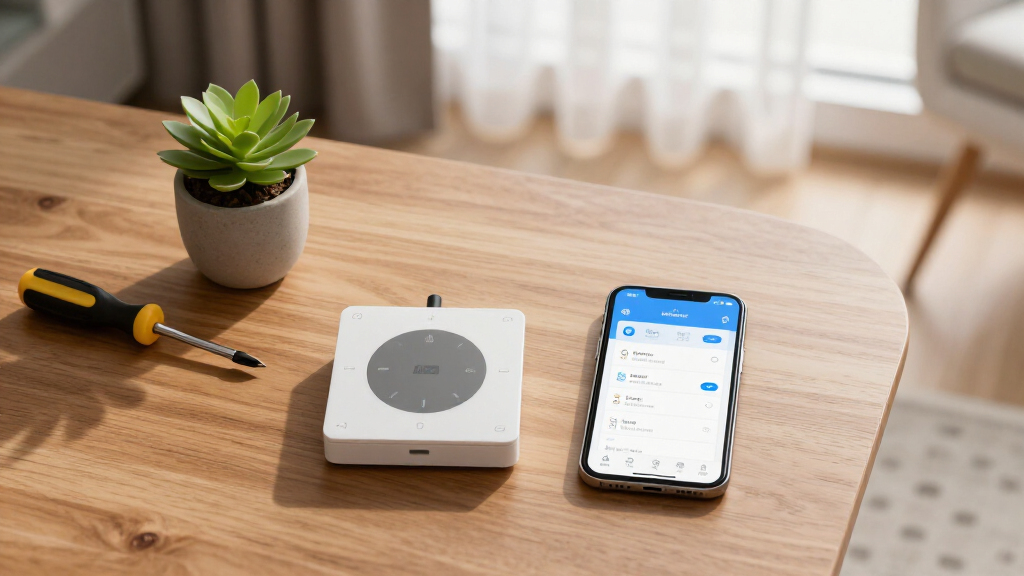
The method involves using external smart plugs and sensors that do not require opening or modifying the AC unit itself. The homeowner emphasizes that these devices can be installed easily and removed without leaving marks or damage, thus preserving the security deposit.
According to the homeowner, the key is to use a smart plug to control power remotely and attach wireless temperature sensors near the unit to monitor performance. These sensors connect to a smartphone app, enabling remote control and monitoring without any permanent alterations to the appliance or property.
Experts confirm that this approach is safe and effective, provided users follow safety precautions such as ensuring the AC is unplugged during setup and using certified, non-invasive smart devices. The homeowner warns against attempting to modify the unit’s internal components, which could cause damage and violate lease agreements.
Why This DIY Smart Upgrade Matters for Renters
This method offers a practical solution for renters and homeowners who want smart control over their AC units without risking damage or violating lease agreements. It provides a cost-effective way to improve comfort and energy efficiency while maintaining property security.
By avoiding invasive modifications, tenants can prevent disputes over damages and security deposit deductions. The approach also encourages wider adoption of smart home technology among those hesitant to undertake complex or permanent upgrades.
As an affiliate, we earn on qualifying purchases.
Background on Smart Home Integration and Rental Property Restrictions
Smart home technology has become increasingly popular, with devices like smart thermostats and plugs offering remote control and energy savings. However, many rental agreements prohibit modifications to appliances or the property itself, making DIY upgrades challenging.
Previously, tenants faced limited options for integrating smart features into existing appliances without risking damage or violating lease terms. This has led to a demand for non-invasive, portable solutions that can be easily removed before moving out.
The homeowner’s approach aligns with emerging trends encouraging temporary, non-damaging smart upgrades suitable for renters.
Unclear Aspects of Long-Term Effectiveness and Safety
While the method is proven effective in the short term, it is not yet clear how well these external sensors and plugs perform over extended periods or in extreme weather conditions. Additionally, there are no standardized guidelines for the safety of using certain smart devices with appliances that are not designed for smart technology.
It remains uncertain whether landlords might scrutinize such setups or if certain lease agreements explicitly prohibit even non-invasive modifications, which could affect legal standing.
Next Steps for Renters Considering Smart AC Enhancements
Homeowners and renters interested in this approach should research certified, non-invasive smart devices compatible with their appliances. It is advisable to document the installation process to demonstrate that no damage was caused.
Further, users should stay informed about lease agreements and communicate with landlords when possible. Future developments may include more standardized, renter-friendly smart home solutions explicitly designed for temporary use.
Experts suggest testing the setup during different weather conditions and over time to ensure reliability and safety before relying on it fully.
Key Questions
Can I use a smart plug to control my AC remotely?
Yes, a certified smart plug can be used to turn your AC on and off remotely, provided it is rated for the appliance’s power requirements.
Will using external sensors damage my AC unit?
No, external wireless sensors that do not require opening or modifying the unit are safe and leave no marks or damage.
Is this method legal or allowed in rental agreements?
This depends on the lease; generally, non-invasive, temporary setups are less likely to violate lease terms, but renters should review their agreements and communicate with landlords when possible.
How reliable are these external smart devices over time?
While effective initially, long-term reliability depends on device quality and environmental factors. Regular testing is recommended.
Can I upgrade my AC to a fully smart unit later?
Yes, replacing the unit with a smart-compatible model is possible but involves more invasive work and potential property damage, which could risk your security deposit.
Source: hn
Halloween Picks
halloween
As an affiliate, we earn on qualifying purchases.