To check if your cabinet box is square and prevent crooked doors, measure the diagonals from corner to corner with a tape measure or square. Confirm both diagonals are equal; if not, the box isn’t perfectly square. Adjust the frame by shimming or repositioning until the diagonals match. Properly squaring your cabinet avoids future misalignments. Keep going to discover more tips that will help you achieve a flawless, professional finish.

Get tools and workshop supplies delivered free — and shop member deals
- Fast, free delivery on millions of items
- Access to Prime Big Deal Days deals on October 6–7
- Prime Video, Amazon Music and more included
Key Takeaways
- Measure both diagonals from corner to opposite corner; equal measurements confirm the cabinet is square.
- Use a reliable tool like a tape measure, square, or digital angle finder for precise readings.
- Keep the measuring tool flat and steady against the cabinet surfaces during each check.
- Slight discrepancies between diagonals indicate the cabinet needs adjustment to become square.
- Correct misalignments by shimming or repositioning the frame until the diagonals match perfectly.

Have you ever wondered how to quickly assess the structural integrity of a cabinet box? When it comes to ensuring your cabinets function properly and look professional, checking the box’s squareness is a vital first step. The cabinet box square test is a straightforward method that can save you from future headaches like crooked doors or uneven gaps. To do this effectively, you need to use proper measuring techniques and the right tools. Accurate measurements are essential because even a small deviation can cause misaligned doors, impacting both the appearance and functionality of your cabinets.
Checking cabinet squareness ensures doors hang properly and prevents gaps. Accurate measurements with proper tools are essential.
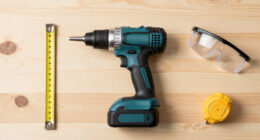
Start by selecting the right measuring tools. A tape measure is the most common, but a combination square or a carpenter’s square offers more precision for checking squareness. A digital angle finder can be even more accurate if you want exact readings, especially in tight or hard-to-reach corners. When measuring, focus on two key points: the diagonals of the cabinet box. Measuring the diagonals is the most reliable way to determine if the box is perfectly square because if both diagonals are equal, the box is square. If they differ, you’ll know that the box is out of alignment and needs adjusting.
To perform the test, measure from one corner of the cabinet to the opposite corner along one diagonal, then repeat for the other diagonal. Use your measuring tools to get precise readings, making sure to keep the tool flat and steady against the surfaces. For example, with a tape measure, extend it from corner to corner, ensuring it stays flush against the edges. With a square, align it carefully along the corners, then read the measurement. When using a digital angle finder, place it at the corners and note the readings—any discrepancy indicates the box isn’t perfectly square. Additionally, consulting industry standards can help you achieve the most accurate results and ensure your cabinetry meets quality expectations.
Measuring techniques are simple but require attention to detail. Always double-check your measurements to avoid errors. If the diagonals are not equal, you can correct the alignment by adjusting the frame or shimming the corners. Keep in mind that a well-measured, square cabinet box will ensure your doors hang evenly, gaps stay consistent, and your overall project looks polished. Investing in good measuring tools and applying proper measuring techniques will make all the difference, saving you time and effort in the long run. Remember, a small investment in quality tools and careful measurements today can prevent major issues tomorrow, ensuring your cabinet box remains sturdy, square, and visually appealing.
As an affiliate, we earn on qualifying purchases.
Frequently Asked Questions
How Often Should I Perform the Cabinet Box Square Test?
You should perform the cabinet box square test during your maintenance schedule at least once a year. Regular checks help catch misalignments early, preventing crooked doors. If you notice uneven gaps or doors not closing properly, consider scheduling a professional assessment. This proactive approach guarantees your cabinets stay square and functional, saving you time and costly repairs later on. Consistent testing keeps your cabinets looking great and working smoothly.
Can I Fix a Cabinet That Fails the Diagonal Check Myself?
Yes, you can try a DIY repair if your cabinet fails the diagonal check. Start by loosening the screws and adjusting the cabinet frame to make it square, then tighten everything back up. However, if you’re unsure or the damage is complex, it’s better to seek professional assistance. Properly aligning your cabinet guarantees it functions well and looks good, so don’t hesitate to get expert help if needed.
What Tools Are Best for Measuring Cabinet Squareness?
You should use a digital calipers and a carpenter’s square to measure cabinet squareness accurately. Digital calipers help you check dimensions precisely, especially for small gaps or uneven edges, while a carpenter’s square ensures your corners are perfectly at 90 degrees. Together, these tools allow you to identify misalignments and make necessary adjustments, helping you fix your cabinet and keep the doors aligned properly.
Does the Cabinet Box Square Test Apply to All Types of Cabinets?
Think of the cabinet box square test as a universal truth, simple yet profound. It applies to most cabinet styles and materials, ensuring your doors hang perfectly. Whether you’re working with wood, metal, or laminate, this diagonal check helps confirm your cabinet’s squareness. Embrace it as an essential step in your project, because a well-measured cabinet is the foundation for both style and durability, no matter the material.
Are There Signs Other Than Diagonal Measurement Indicating Misalignment?
Yes, other signs of misalignment include uneven gaps around the door hinges, which can indicate the door isn’t sitting properly. You might also notice that the cabinet doors don’t close flush or appear crooked when you look at them from different angles. To fix this, you can adjust cabinet shims to realign the door hinges, ensuring the doors hang straight and function smoothly without relying solely on diagonal measurements.
Conclusion
Once you master the cabinet box square test, you’ll find it’s like giving your doors a gentle nudge in the right direction. It’s a simple step that quietly helps keep everything looking just right, avoiding any little wonky surprises. With this quick check, you’re gently guiding your cabinets toward perfection, making sure they close smoothly and look polished. So, trust the diagonal test—you’re softly setting the stage for a beautifully balanced kitchen.
Fall yard work Picks
leaf blowers
As an affiliate, we earn on qualifying purchases.