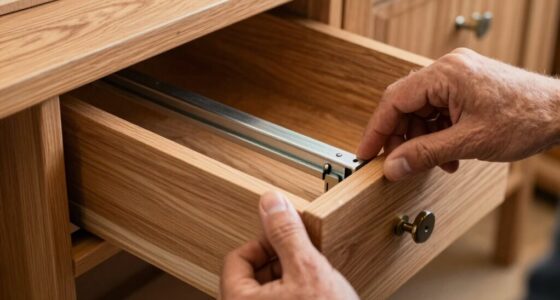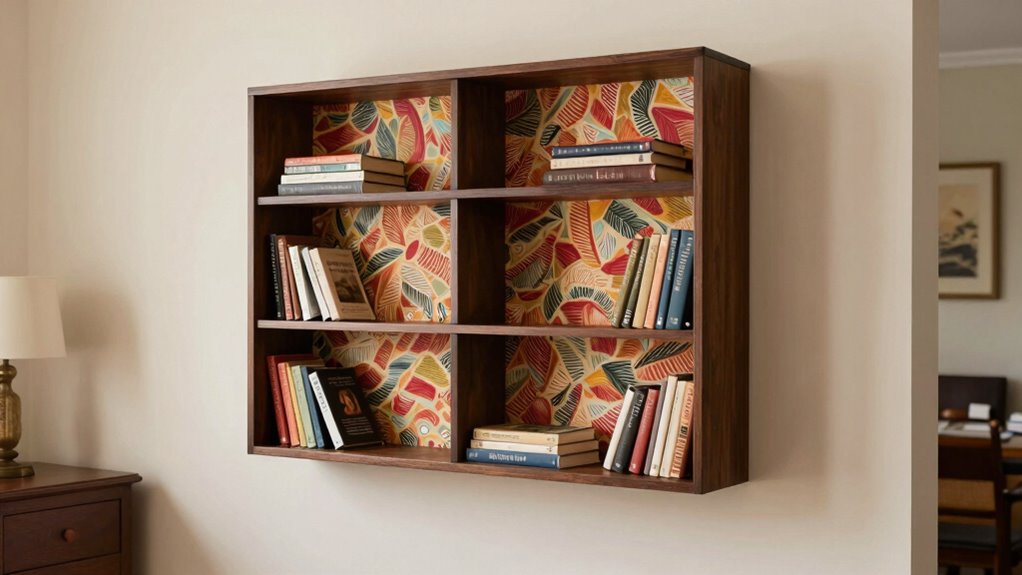

When you ignore your room’s proportions, style, and architectural features, your built-ins can look out of place and disrupt the space’s harmony. Oversized or tiny units strain the room’s balance, while mismatched materials and colors can clash with existing decor. Without considering lighting or the room’s scale, built-ins may seem incomplete or overwhelming. If you want to create seamless integrations, understanding these design essentials will help you achieve a balanced, polished look.

Get business pricing on tools and workshop supplies
- Business-only prices and quantity discounts
- Tax-exempt purchasing
- Multiple users, one account, clear invoices
Key Takeaways
- Built-ins that are disproportionate to room size disrupt visual harmony and feel out of place.
- Ignoring the room’s style and architectural details results in a disjointed, unintegrated look.
- Using materials and finishes that clash with existing décor can make built-ins appear mismatched.
- Poor lighting and space planning diminish the built-ins’ aesthetic appeal and integration.
- Overlooking the room’s overall balance causes built-ins to either overpower or seem insignificant.
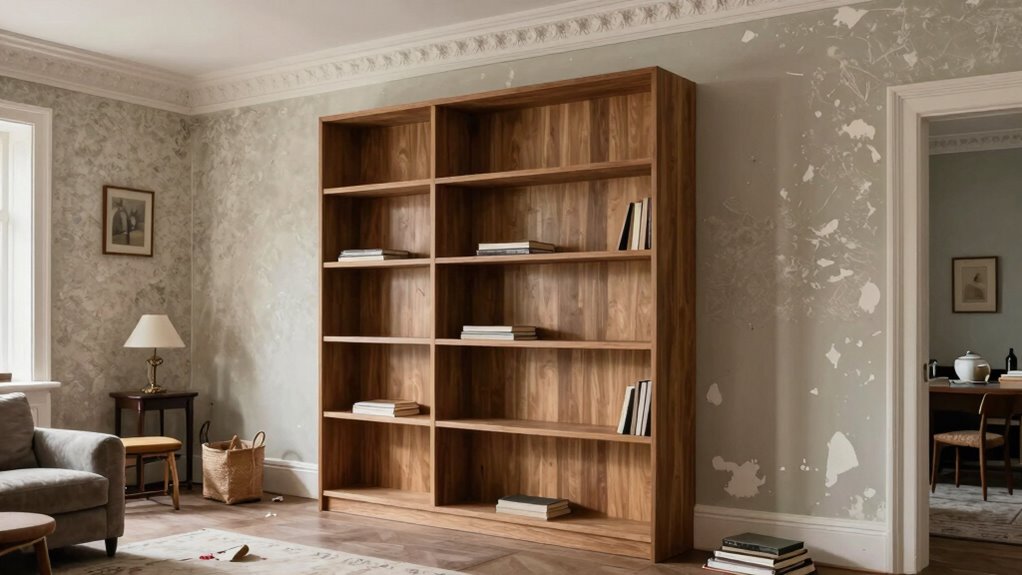
Built-ins are a versatile way to enhance your room design by seamlessly integrating storage, seating, or decorative elements into your space. When done right, they can transform a room into a cohesive, functional area that feels tailored to your needs. But if you ignore the room around them, built-ins can look out of place, cluttered, or simply awkward. The key lies in understanding how customization options and space optimization work together to create a harmonious design.
Built-ins can beautifully enhance your space when customized and scaled to fit your room’s unique style and needs.
When built-ins clash with their surroundings, it’s usually because they don’t consider the unique proportions, architectural features, or style of the room. For example, installing a large, bulky bookshelf in a small, cozy nook can make the space feel cramped instead of inviting. You need to think about the scale of your built-ins relative to the room’s size. If they’re too big or too small, they’ll stand out for all the wrong reasons. Proper space optimization involves measuring the area carefully and designing built-ins that complement the room’s dimensions, rather than overpowering or underwhelming them.
Another common mistake is ignoring the room’s existing style and aesthetic. Built-ins should reflect the overall design language—whether it’s modern, rustic, traditional, or eclectic. When you overlook this, the built-ins can look like an afterthought, disrupting the visual flow. Customization options are vital here; you can choose materials, finishes, and details that blend seamlessly with your room. For instance, matching the wood tone of your built-ins to your flooring or furniture creates a unified look. Conversely, clashing colors or styles make the built-ins pop out awkwardly, making the room feel disjointed. Understanding the importance of room harmony can help guide your choices to create a cohesive environment. Paying attention to architectural features ensures that built-ins complement the room’s structure, rather than competing with it. Additionally, considering visual balance helps prevent the built-ins from overwhelming or underwhelming the space. Incorporating proportional design can help make sure that the scale of the built-ins is appropriate for the room’s overall dimensions.
Lighting is also often overlooked, yet it plays a big role in how built-ins appear. Proper lighting can highlight their design and make them feel like an intentional part of the space. Without it, they might seem flat or incomplete. When you consider the room’s natural light and incorporate task or accent lighting into your built-ins, you help them blend smoothly into the overall environment. Paying attention to space planning ensures that every element works together harmoniously.
Ultimately, built-ins shouldn’t look like they’re fighting against the room. When you carefully consider customization options, proportion, style, and lighting, you guarantee your built-ins enhance rather than detract from your space. By paying attention to the room’s architecture and your functional needs, you create a cohesive look that feels intentional and polished. Ignoring these elements risks making your built-ins look wrong—disjointed, awkward, and out of place—so take the time to plan thoughtfully, and your room will benefit from truly integrated, beautiful built-ins.
As an affiliate, we earn on qualifying purchases.
Frequently Asked Questions
How Do Built-Ins Affect Room Flexibility and Future Redesigns?
Built-ins can limit your room flexibility and future redesigns because they’re fixed features that focus on space optimization and aesthetic harmony. Once installed, they’re hard to move or modify, making it challenging to adapt the room’s layout later. If you want versatility, consider modular furniture or removable units, so you can easily change your space to suit new needs without sacrificing visual appeal or functionality.
Can Built-Ins Be Customized to Match Different Interior Styles?
Yes, built-ins can be customized to match different interior styles. You can add decorative details like molding, trim, or unique hardware to reflect your aesthetic. Color coordination also plays a key role; painting or staining built-ins to complement your room’s palette creates harmony. With thoughtful customization, built-ins blend seamlessly into various styles, from modern to traditional, making them adaptable and personalized features that enhance your space’s overall design.
What Materials Are Best for Blending Built-Ins With Existing Decor?
Match materials meticulously to master a seamless style. Opt for sturdy, durable options like wood or laminate that suit your space’s demands. Prioritize color coordination by choosing hues that harmonize with existing decor, whether through stained finishes or painted surfaces. This thoughtful selection guarantees your built-ins blend beautifully, balancing boldness and harmony. Ultimately, material choice and color consistency create cohesive, custom looks that complement your room’s unique character.
How Do Lighting Choices Impact Built-In Integration?
Lighting choices profoundly impact how well your built-in integrates with the room. Ambient lighting provides a soft, overall glow that makes the built-in feel like part of the space, while accent lighting highlights specific features, adding depth and interest. By combining both, you create a cohesive look that complements your decor. Proper lighting guarantees your built-in doesn’t stand out awkwardly but instead enhances the room’s overall harmony.
What Are Common Mistakes to Avoid When Designing Built-Ins?
When designing built-ins, avoid cluttering the space or sacrificing aesthetic balance for storage. Don’t overlook the room’s proportions; oversized or undersized units disrupt harmony. Prioritize space efficiency by integrating the built-in seamlessly, ensuring it complements existing architecture. Also, steer clear of mismatched styles or materials that clash with the room’s design, which can make the built-in look out of place and diminish the overall aesthetic appeal.
Conclusion
When built-ins ignore the room around them, they can feel out of place, disrupting your space’s harmony. Imagine a sleek, modern bookshelf in a cozy, rustic living room—it just doesn’t fit. Instead, consider how the built-in interacts with the room’s style and layout. By paying attention to these details, you’ll create a cohesive, inviting environment where your built-ins truly enhance the space, rather than clash with it.
Halloween Picks
halloween
As an affiliate, we earn on qualifying purchases.